The Foundation of a Modern Kiwi Smart Home
Smart home technology is no longer an optional extra in New Zealand homes. It is a fundamental part of modern residential design. The conversation has moved beyond adding gadgets later to embedding coordinated systems from the very beginning. We all know the frustration of tangled wires and mismatched devices that clutter a beautifully designed space. Planning for smart home integration during the initial design stages avoids this compromise entirely. A truly modern smart home is not a collection of devices. It is a unified network where energy, security, and comfort systems communicate seamlessly. For bespoke home technology, this integrated approach is essential. It ensures the technology enhances your life without disrupting the unique architectural vision. This early planning is a core part of how we approach our new residential projects, delivering a truly seamless living experience.
Prioritising Energy Management Systems

At the heart of a truly intelligent home is its home energy management system, or HEMS. Think of it as the brain of your home's energy use. It quietly coordinates major appliances, lighting, heating, hot water, and even your EV charger. This system introduces the concept of ‘demand flexibility’. It intelligently shifts energy consumption to off peak times when power is cheaper and greener. This reduces strain on our national grid and lowers your power bills, all without you noticing any difference in comfort.
The tangible benefits are significant:
- Potential for considerable savings on electricity bills.
- Automated optimisation of your home’s energy use.
- A reduced carbon footprint by using power when it is most abundant.
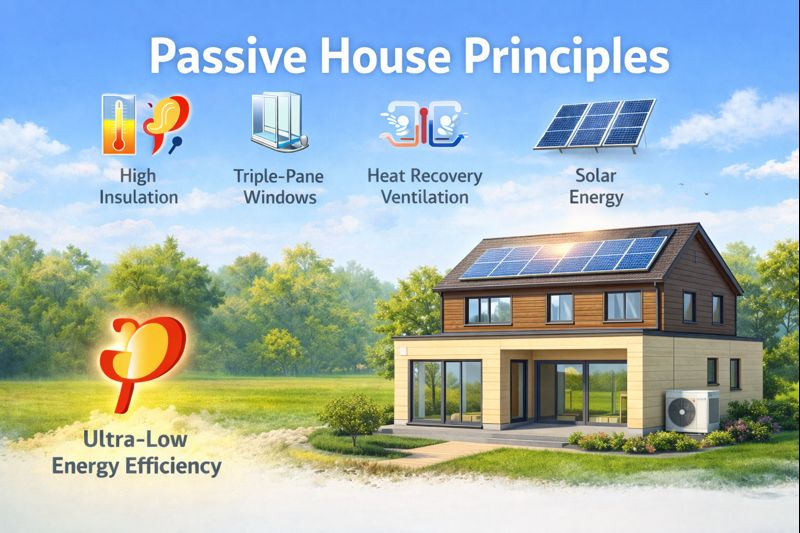
These advantages are maximised when the system is part of a holistic high performance design that includes energy efficient hardware like modern heat pumps and LED lighting. The building itself matters just as much as its technology, which is why passive design principles are a useful companion to intelligent energy management. As Standards New Zealand highlights, a new publically available specification, 6012:2022, supports this approach, positioning the HEMS as a core functional layer for any forward thinking home design.
Blending Technology with Architectural Vision
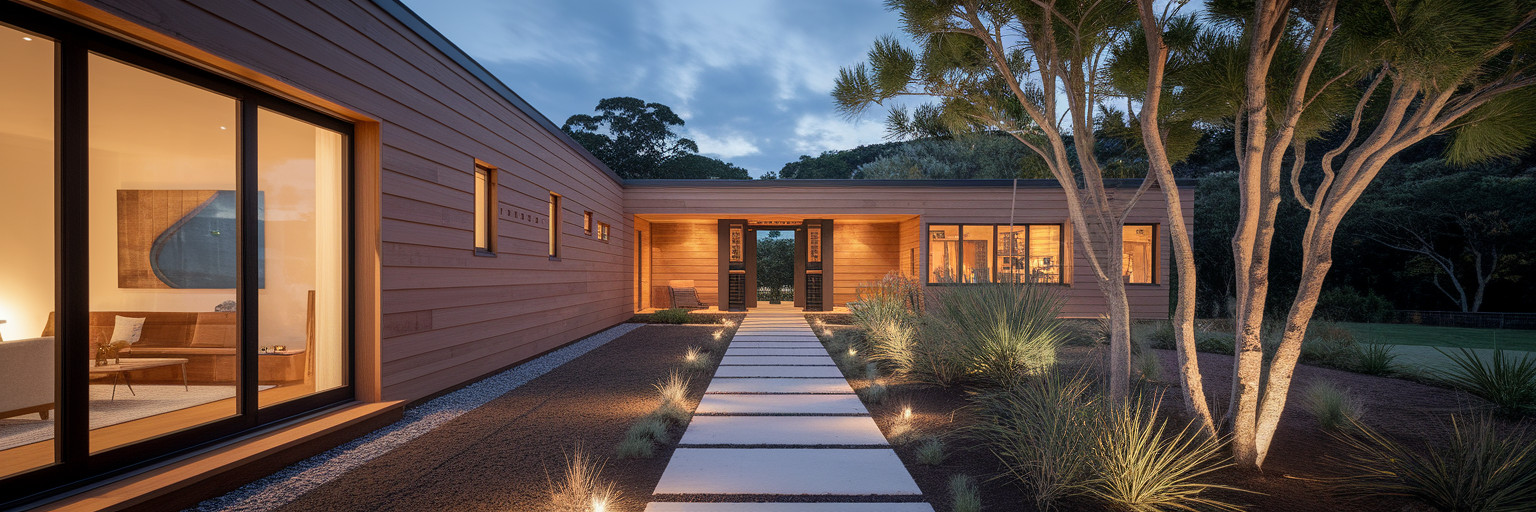
The goal of great architectural smart home design is to make the technology feel completely invisible. It should enhance the experience of living in a space, not dominate it visually. We achieve this by planning for integration right from the start, long before construction begins. Imagine motorised blinds that glide down without any ugly cables visible because the window frames were pre wired. Or a smart gate intercom that sits perfectly flush with the exterior cladding, finished in the same material so it almost disappears.
These are the kinds of details that protect the integrity of a bespoke home. During the design phase, we map out pathways for concealed wiring and design hidden recesses for control panels and network hubs. This proactive approach ensures that technology serves the home's aesthetic, rather than compromising it. It is the difference between a home that simply has technology and one that is truly intelligent by design. You can see examples of this seamless integration throughout our portfolio, where the focus remains on the architecture itself.
Designing for the Future
When we talk about future proofing a smart home, it is not about trying to predict the next big gadget. It is about creating an adaptable foundation that can accommodate new technologies without requiring major, costly rewiring down the track. A key part of this is using open communication protocols like Matter. Think of these protocols as a universal language that allows devices from different brands to talk to each other. This simple choice prevents you from being locked into a single company's ecosystem, giving you freedom and flexibility for years to come.
Here are a few practical design choices for future readiness:
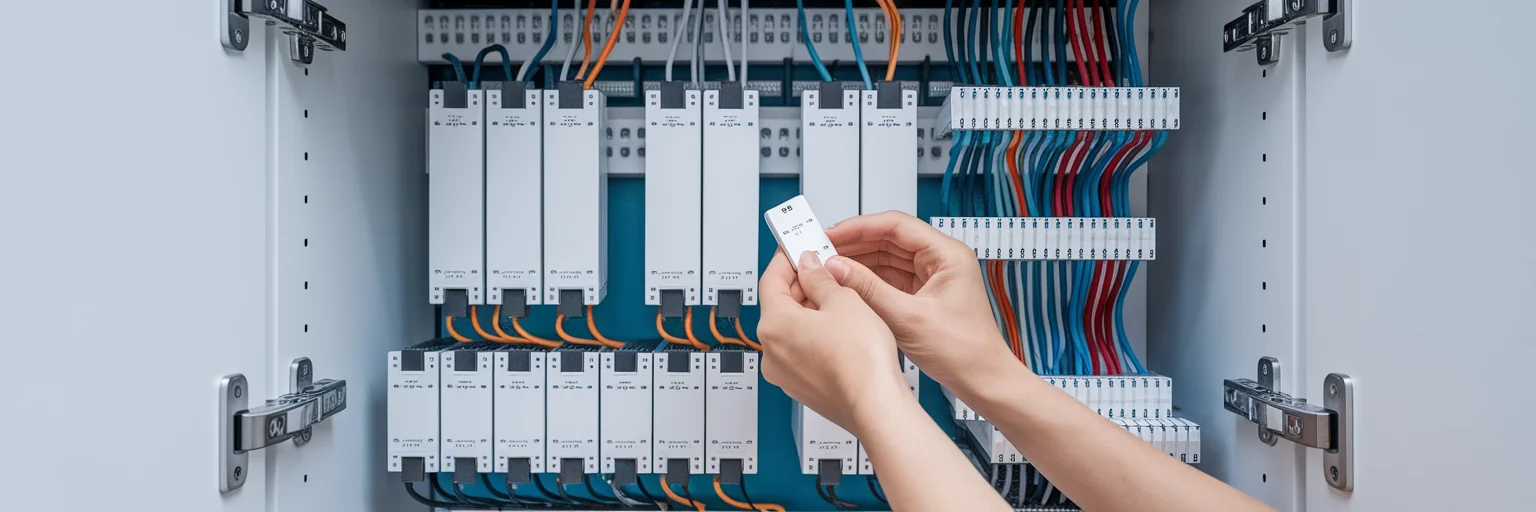
- Incorporate modular distribution boards that allow new components to be easily added.
- Plan for future upgrades by allowing access for additional wiring to key areas such as the living room and kitchen.
- Choose a centralised, structured cabling system for core functions to ensure reliability and bandwidth for future needs.
Technology is only one part of future proofing. Designing a home for every stage of life looks at how adaptable layouts, accessibility and long-term independence can be considered alongside these systems.
Overcoming Common Integration Hurdles
Of course, bringing a sophisticated smart home to life has its challenges. In New Zealand, there is a shortage of installers who are skilled in both electrical work and modern network protocols. This is why engaging specialists early in the design process is so important to keep a project on track. Another common hurdle is interoperability, which is the puzzle of making devices from different brands work together smoothly. This reinforces the value of planning with open protocols from the outset.
These issues are not roadblocks, but they are important considerations that need to be managed. Careful project management is key to navigating these hurdles. With thoughtful planning, these challenges are easily overcome. If you have questions about your own project, we are here to help, so please get in touch.