
More Than a House, a Home with a Heart
For generations, New Zealanders have shared a deep connection to the land, our whenua. This bond shapes more than just our communities; it influences how we see our place in the world, starting with the homes we create for our families. A legacy home is not defined by its size or cost, but by the personal meaning woven into its very structure. It is a home with a heart, built to reflect the unique story of the people who live within its walls.
Think of the difference between a standard off the plan house and a home designed specifically for your whānau. One is built for a general audience, a blank canvas that anyone could occupy. The other is a purpose built space that captures your family’s journey, values, and aspirations. This is where the Māori concept of tūrangawaewae, a place to stand, becomes so powerful. It speaks to that profound sense of belonging that comes from a home deeply connected to family history and the land itself.
When you explore legacy home ideas New Zealand offers, you are looking for more than just a building. You are searching for a way to create a family taonga, a treasure that physically embodies your past, present, and future. It becomes a backdrop for new memories while honouring the ones that came before. The process of creating one of our new build homes is about translating that very personal story into a living space.
Finding the Narrative for Your Walls

Before any plans are drawn, the first step in building a story home is a journey of discovery. This is about uncovering the unique narrative that only your family can tell. It’s a process of looking inward and gathering the raw materials that will eventually shape your home’s design. We often find that the most meaningful ideas come not from magazines, but from shared experiences and personal history.
To begin finding your home’s narrative, you can explore a few key areas. We suggest starting this process well before you begin thinking about the specifics of design, as detailed in the preparatory steps we outline in our guide on what to do before we get started. Consider these starting points to gather your story:
- Reflect on your family’s journey. What are the significant life events, traditions, and shared memories that define you? Sometimes creating a physical scrapbook, a shared digital photo album, or a simple journal can bring these moments to the surface. Think about holidays, milestones, and the small daily rituals that make your family who you are.
- Honour your cultural heritage. Whether your roots are Māori, Pasifika, European, Asian, or a rich blend of many cultures, your heritage is a powerful source of inspiration. As detailed by Te Ara, The Encyclopedia of New Zealand, traditional Māori architecture masterfully embeds storytelling and whakapapa into its structures. Your home can do the same through motifs, colours, or layouts that pay respect to your ancestry.
- Explore your passions and daily rituals. Is your family full of avid readers who dream of a library nook? Do you love gardening and want a seamless flow between inside and out? The way you spend your time together reveals what is truly important and helps define how your home should function.
- Connect with the site’s own story. Every piece of land in New Zealand has its own history and character. Take time to understand the specific landscape of your property, from the way the sun moves across it to the native plants that grow there. Our guide to choosing the right spot for a legacy home looks more closely at how climate, access, orientation and community can shape that decision.
Weaving Your Story into the Design
Once you have gathered the threads of your family’s narrative, the next step is to weave them into the physical design of your home. This is where your story transitions from an abstract idea into a tangible reality. A thoughtful custom home design families love is one where the layout, materials, and small details all work together to tell a cohesive story. It is about making your home feel uniquely yours.
The layout itself can become a powerful storytelling tool. An entranceway can be designed to create a sense of warm welcome for guests, perhaps opening into a central living space that encourages connection. A kitchen might be positioned as the true heart of the home, with views across the living areas so the cook is always part of the conversation. A quiet, secluded office could be oriented towards a calming view, providing a peaceful space for focus.
Personal architectural features are what truly make a house a home. Imagine a height chart for your children subtly carved into a timber door frame, a permanent record of their growth. Or a fireplace hearth built from stone found on your property, creating a direct link to the land. A custom stained glass window could depict a meaningful family symbol or a stylised view of a favourite landscape. These are the details that hold memories.
Materials also play a crucial role. Using native New Zealand timbers like rimu or tōtara can create a deep sense of connection to our natural environment. The texture of wood, the coolness of polished concrete, and the ruggedness of local stone all contribute to the atmosphere. Even light and volume can shape emotion. A high stud living room feels open and ready for large family gatherings, while a cosy, low ceiling snug invites intimate conversation. This is the essence of the design process, where your story begins to take physical form.
Balancing Personal Touches with Practical Living
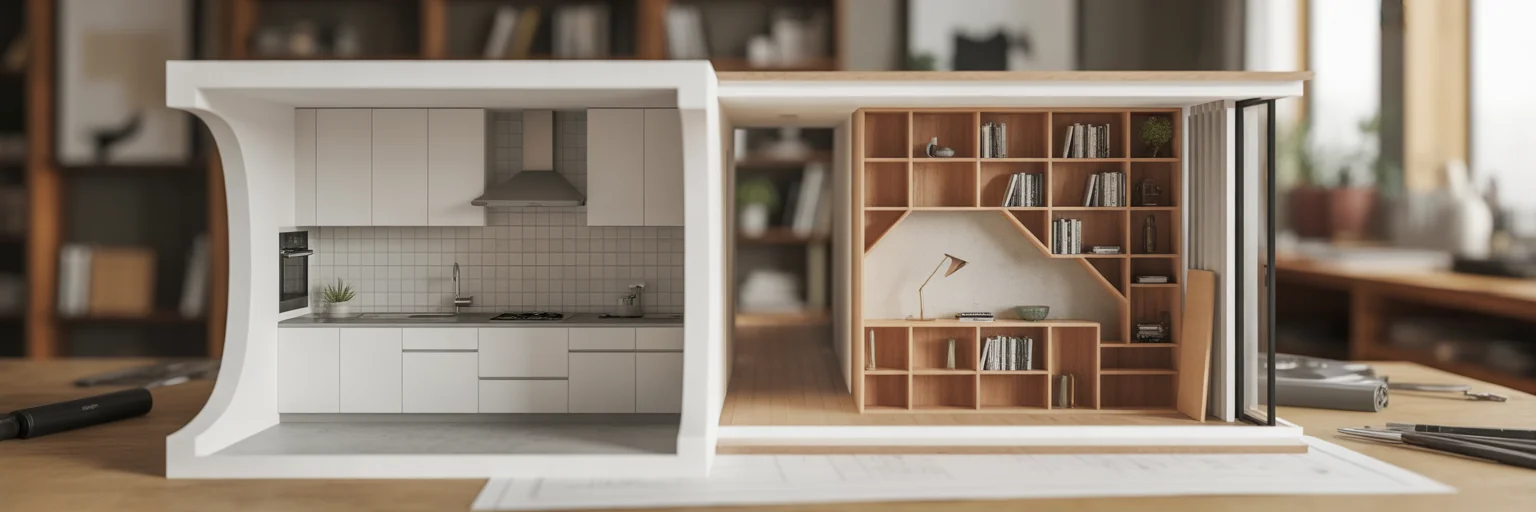
While creating a home that tells your story is a deeply personal journey, it is just as important that the final result is a practical and comfortable place to live. A true legacy home must be both meaningful and functional. The goal is to ensure that your personal touches enhance your daily life, rather than complicate it. This balance is key to creating a sanctuary that will serve your whānau for generations.
This is where future proofing becomes essential. A well designed home should be flexible enough to adapt as your family’s needs change. A playroom for young children might one day become a teenager’s study or a creative studio. Thinking about accessibility from the outset, with wider hallways or a ground floor main bedroom, ensures the home remains liveable for all family members at every stage of life. For families planning to share a home across generations, designing for privacy and connection within one whānau home is another important part of that long-term thinking.
When considering unique house builds NZ wide, it is important to balance bold features with timeless design principles. A home should feel authentic and enduring, not just trendy. Our article on building a Kiwi home for the ages explores the durable materials, adaptable planning and performance decisions that support that kind of longevity.
Ultimately, a successful legacy home is a harmonious blend of your unique story and everyday practicality. It is a comfortable sanctuary that serves as a living storybook for your whānau, a place where you feel you truly belong. If you are inspired to begin creating a home that tells your story, we would love to hear from you. Please feel free to get in touch with us to start the conversation.