
Understanding Infill Housing
Look around any established Kiwi suburb and you will notice a quiet transformation. The classic quarter acre dream is evolving as our towns and cities grow. This change is driven by infill housing, a straightforward idea about building smarter with the land we already have. It means constructing new homes in existing neighbourhoods, perhaps on a subdivided backyard or where an old, tired house once stood. The concept of infill housing is gaining momentum for a simple reason: it makes sense. For a fuller introduction, see our guide to infill housing in New Zealand.
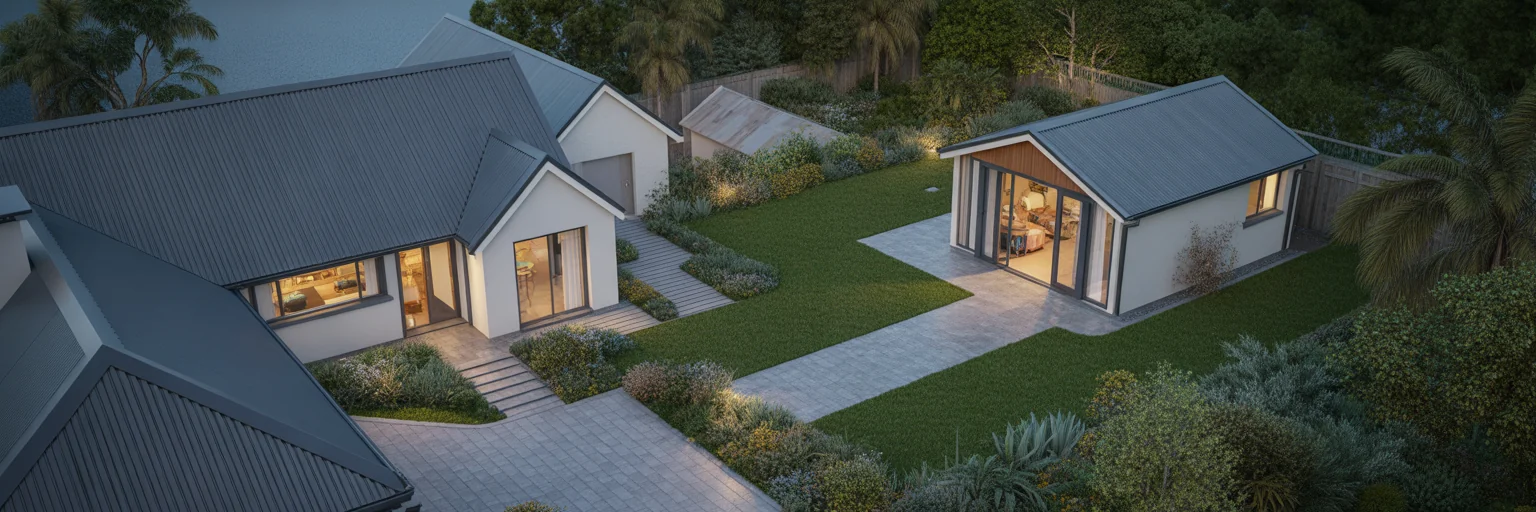
Instead of expanding outwards, we use the infrastructure that is already in place. The schools, bus routes, parks, and pipes are all there. This approach, which you can explore in more detail through our services for infill dwellings, helps create more housing choices for different lifestyles and family sizes right within the heart of our communities across Aotearoa.
Designing Homes That Belong

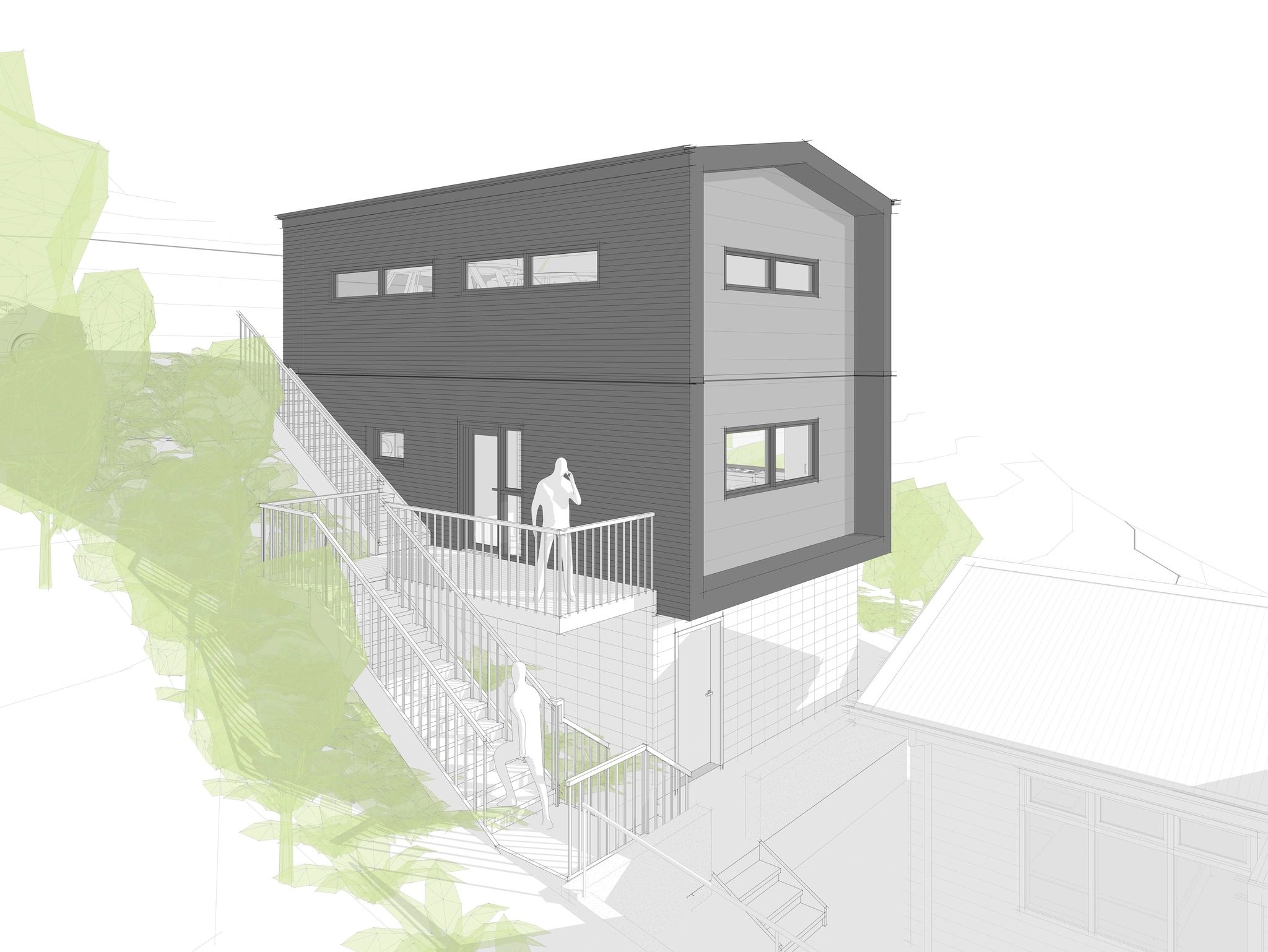
So, if we are building in established areas, how do we ensure new homes feel like they belong? Good design is about being a good neighbour. It is not about creating exact replicas of old villas but about a thoughtful response to the street’s unique rhythm and feel. This careful consideration is central to our preliminary design process, where we study the surrounding context from day one to ensure a new build complements its environment.
When it comes to designing new homes in existing suburbs, a few key principles guide our work as architectural designers. We believe a new home should enhance its surroundings, not detract from them. This involves thinking about:
- Sunlight Access: How do we position a new home so it does not steal the afternoon sun from next door’s vegetable patch or living room windows? It is about sharing the light.
- Privacy: We all value our own space. Clever window placement, screening, or thoughtful landscaping can ensure everyone feels comfortable and unobserved in their own home.
- Material Harmony: Material choices create a visual conversation with the street. This could mean using timber weatherboards that nod to nearby character homes or choosing sleek, modern cladding that fits a more contemporary area.
These principles are not just theoretical. You can see how they come to life in our portfolio of completed projects, where each home tells its own story while respecting its neighbours.
Benefits for the Whole Community
A well designed home is a great start, but the real magic happens when these projects strengthen the entire community. Infill housing introduces a greater variety of home types, such as townhouses or smaller standalone houses, into neighbourhoods once dominated by single family dwellings. This creates more options, making established suburbs more attainable for first home buyers and downsizers. Creating these diverse housing solutions is a core part of our work on larger developments.
More households also mean more support for local dairies, cafes, and more viable public transport routes. These are the tangible benefits of urban density. As an opinion piece from Priority One highlights, building ‘in’ instead of ‘out’ is a sustainable way to grow. It protects our precious countryside from endless sprawl, something most Kiwis feel strongly about.
Creating Lively and Connected Places
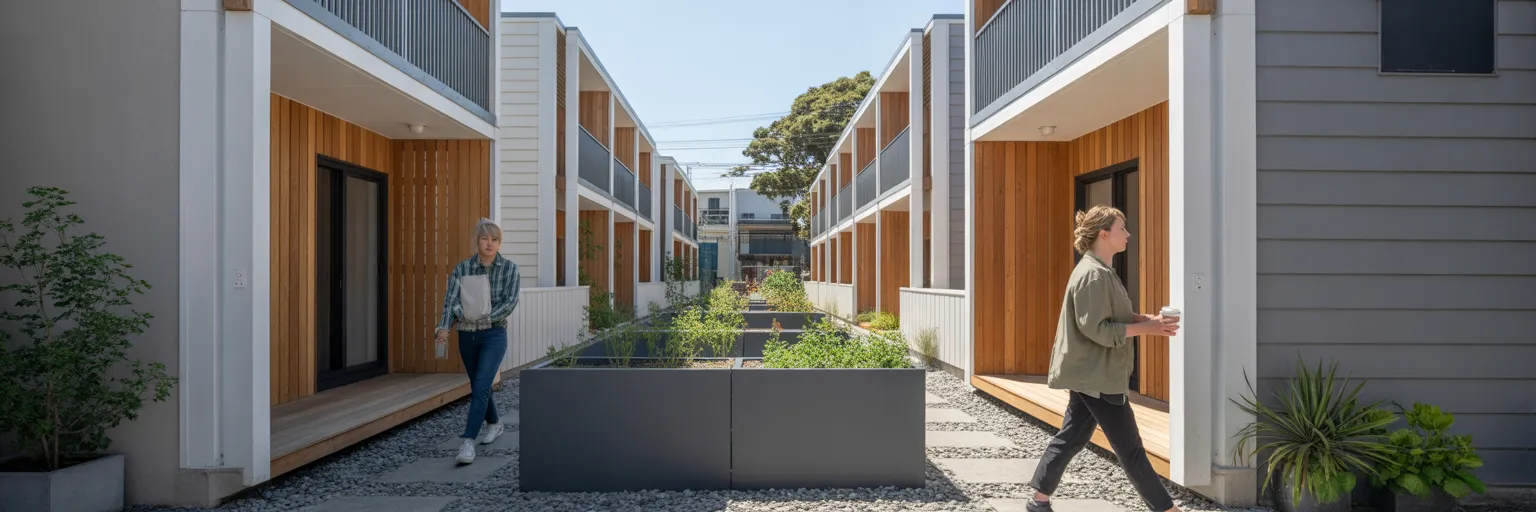
Beyond the practical benefits, thoughtful infill housing has the power to reshape how we live together. It is about creating neighbourhoods where you can walk to the local park or cafe, bumping into neighbours along the way. This is the heart of community focused housing development. It moves beyond just providing shelter and starts creating places where people can connect and thrive. Successful projects often integrate simple but effective elements that encourage this connection.
- Communal Gardens: Small plots where residents can grow herbs and chat over the fence, turning a simple activity into a social one.
- Shared Laneways: Safe, pedestrian friendly paths that become social spaces for chance encounters, not just thoroughfares for cars.
- Pocket Parks: Tiny green oases tucked between homes, offering a spot for kids to play or for a quiet moment of relaxation.
In some larger projects, we are even seeing small ground floor offices or shops, creating a genuine village feel right on your doorstep. These are the urban design principles NZ communities are starting to embrace, shifting the focus from simply building houses to creating connected, vibrant places to live. On individual sites, the same thinking starts with careful planning of a second dwelling so access, privacy and outdoor space work for both homes. If this vision for smarter, more connected communities inspires you, we would love to talk. You can get in touch with us here to start the conversation.