The Essence of a Healthy Luxury Home
The Kiwi dream often involves blurring the lines between inside and out, opening our homes to the landscape. But achieving this seamless comfort through New Zealand's varied climate requires intelligent design, not just beautiful finishes. True luxury is not about how a home looks, but how it feels to live in. It is a sense of wellbeing that comes from a space that works with you and for you.
This idea is especially important for our lifestyle, where humid northern summers can make rooms feel sticky and damp, chilly winters are felt across the country. We all want those grand design features like floor to ceiling glass, but how do you have them without creating an uncomfortable indoor environment? The real challenge is balancing aesthetics with liveability. A home that can breathe on its own is the foundation of modern luxury home design in NZ. These goals sit within the broader principles of high-performance home design. Understanding this principle is the first step, and for those curious about what this entails, our guide on what to expect before we get started offers a great overview.
Harnessing Natural Breezes with Cross Ventilation

At its heart, cross ventilation is about creating a natural corridor for air to travel through your home. It is a simple concept that, when executed thoughtfully, can transform a home’s atmosphere. Effective cross ventilation strategies are about more than just placing a window on opposite walls. They require strategic placement based on the property’s unique position and its relationship with prevailing winds, whether it is a consistent coastal sea breeze or a regional Canterbury nor'wester.
This horizontal airflow is powerfully complemented by a vertical process known as the stack effect. The principle is simple: warm air rises. This natural phenomenon creates a continuous cycle of fresh air. Cooler, denser air is drawn in through lower openings like windows and doors. As this air moves through the home, it gradually warms up from daily activities and sunlight, causing it to become lighter and rise. Finally, strategically placed higher windows, such as clerestory windows above a living area or operable skylights in a hallway, act as vents. They allow the warm, stale air to escape, completing the cycle. This constant, gentle movement of air is the essence of a passive cooling house design. The careful planning of these openings is a critical part of the early design stage, which you can learn more about in our explanation of the concept design process.
Architectural Elements That Promote Airflow
While windows and doors are the gateways for air, the very shape of your home dictates how that air moves. Open plan layouts are a powerful tool for natural ventilation for homes because they remove internal barriers. This allows air to circulate freely from one side of the house to the other, preventing the stagnant, stuffy pockets of air that can form in more compartmentalised designs.
Beyond the general layout, specific architectural features can act as the lungs of the home. A double height atrium, a sheltered internal courtyard, or a beautifully designed open stairwell all create central channels for air to move between different levels and zones. These elements encourage the stack effect we just discussed, drawing cool air up and through the building. However, the most critical decision happens long before any walls are planned. As studies on sustainable home cooling highlight, a core principle of passive design is using open areas for cross breezes. According to research from Sarco Architects, homes designed for passive cooling use extensive open areas to allow for these breezes and high openings for hot air to escape. This is why site orientation is the very first step. Positioning the home to capture cooling breezes while shielding it from the harsh afternoon sun is a foundational decision that sets the stage for all that follows, a crucial part of our project establishment phase.
Selecting Materials for Better Temperature Regulation
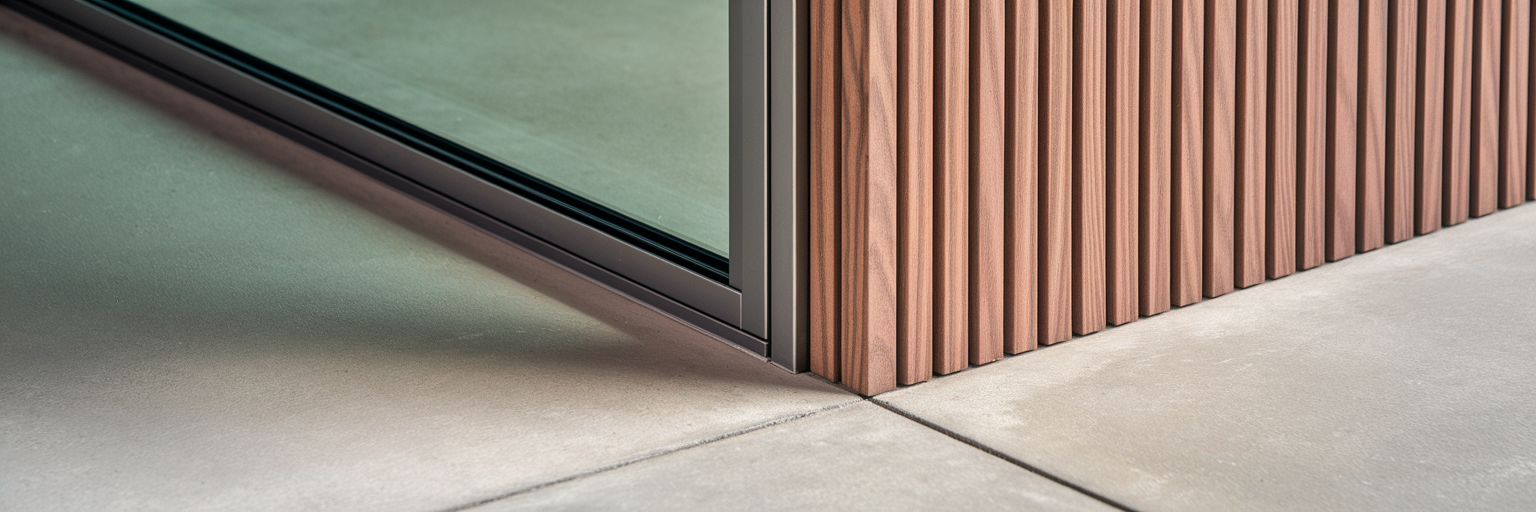
The materials you choose can work like a heat battery for your home, quietly managing comfort throughout the day and night. This concept, known as thermal mass, involves using dense healthy home building materials to absorb and store heat. A polished concrete floor or a feature schist wall will soak up the sun’s warmth during the day and then slowly release it as the evening cools, helping to stabilise the indoor temperature without you touching a thermostat. Material selection also shapes durability and atmosphere, which we explore further in How Natural Materials Shape Enduring Kiwi Homes.
Modern window technology also plays a huge part in temperature regulation in houses. Low-E, or low emissivity, glass has an invisible coating that reflects heat. In summer, it keeps unwanted solar heat out, and in winter, it reflects your home’s internal heat back into the room, preventing it from escaping. Beyond the windows, we need to think about what is inside the walls. High performance, breathable insulation systems offer a dual function. They not only provide warmth but also help manage moisture, and prevent both dampness and mould - a significant concern in New Zealand’s climate. Even exterior materials contribute. Lighter coloured roofing reflects the strong Kiwi sun, reducing heat absorption, while natural timber cladding provides its own layer of inherent insulation. Integrating these advanced systems is a specialised field, and you can see how these elements come together in our approach to high performance design.
Achieving a Balance of Practicality and Style
A common question is whether these functional elements compromise a home’s beauty. The answer is no. In fact, thoughtful design ensures they enhance it. Strategically placed adjustable louvred windows, sleek automated skylights, and expansive bifold doors that create a seamless indoor outdoor flow are all examples where practicality and style merge perfectly.
We believe the ultimate form of luxury is invisible comfort. It is the feeling of a home that is effortlessly pleasant, fresh, and healthy without the constant hum or running costs of mechanical systems. This is where thoughtful design proves its worth over purely technological fixes. A well ventilated home is not just more comfortable to live in. It is healthier for your family, more energy efficient to run, and more sustainable in the long term. This alignment of beauty with practical, forward thinking benefits is the true meaning of modern luxury living. If you are ready to discuss how these principles can shape your own project, we invite you to book a meeting with our team.