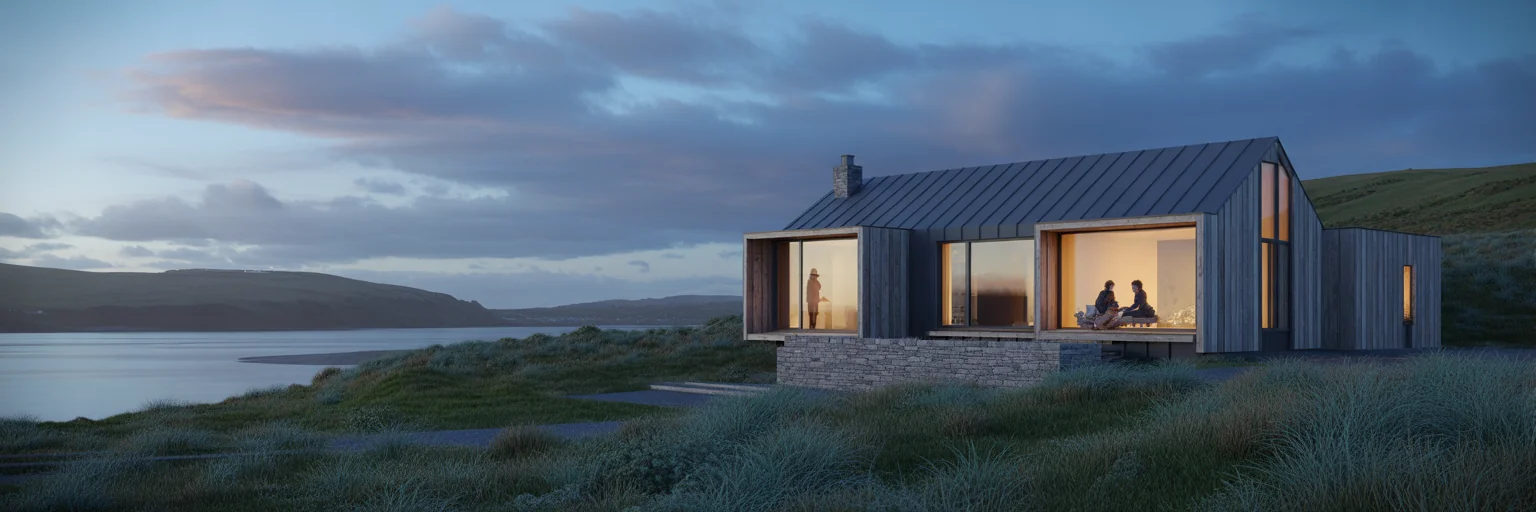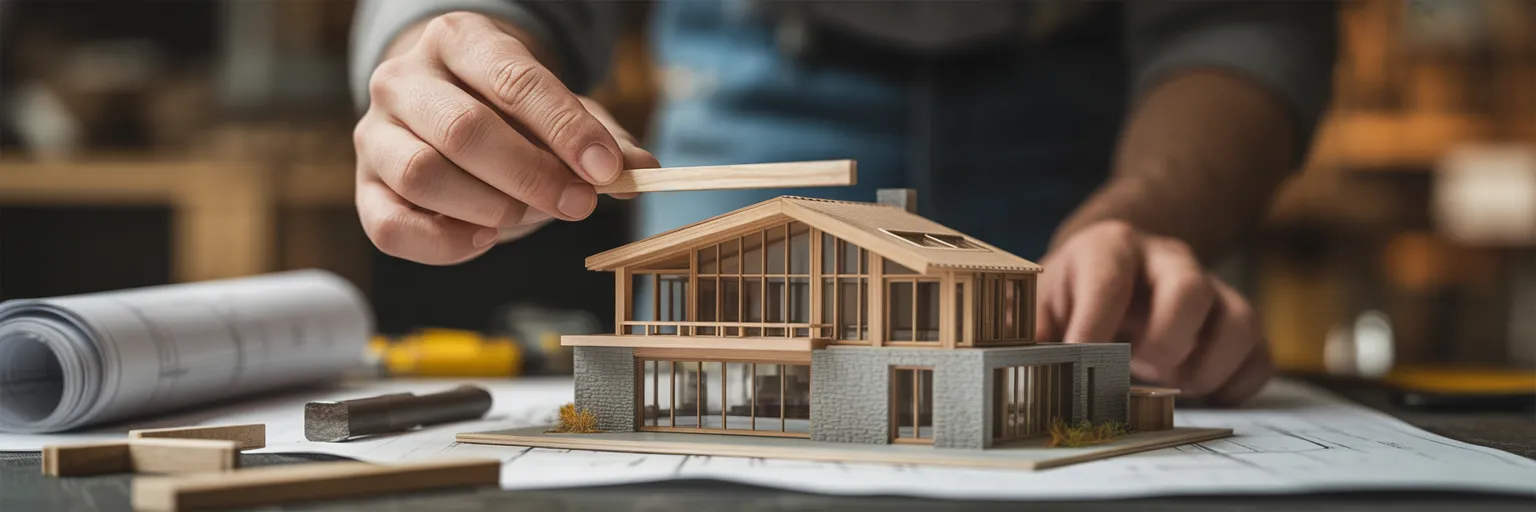

The Heart of a Multi-Generational Home
Across New Zealand, more families are choosing to live together, with grandparents, parents, and children sharing one roof. This shift has brought back the idea of a legacy home. It is not just a building, but a place designed to be passed down through generations, adapting to the needs of the entire whānau. If the emotional side of that idea resonates, our article on building a home that tells your whānau story explores how family history and daily rituals can shape the design.
The core challenge is creating a space that encourages family connection while respecting every person's need for privacy. We all know that feeling of wanting to be together for a Sunday roast, but also needing a quiet corner to read a book afterwards. Thoughtful architectural design provides the solution. It creates a harmonious environment where relationships can flourish because everyone has a place to retreat and recharge, ensuring the home works for everyone, every day.
Strategic Layouts for Personal Space
Creating personal space in a busy family home begins with a smart layout. The concept of ‘zoning’ is a great starting point. Think of it like designing a building with a quiet library on one side and a bustling cafe on the other. In a home, this means grouping noisy, active areas like the kitchen and living room away from quiet zones such as bedrooms and home offices. This separation is fundamental to a successful multi generational home design.
Beyond basic zoning, several design strategies can create genuine autonomy. These physical separations give family members a sense of independence and personal retreat.
- Private Wings or Units: A section of the house can be designed to function almost independently. With its own kitchenette, bathroom, and small living area, it offers a perfect solution for grandparents or adult children seeking privacy. This approach allows for the creation of distinct, self-contained spaces, similar to the new dwellings we design.
- Separate Entrances: A private entrance provides a significant psychological boost. It allows family members to come and go without feeling they are disrupting the main household, reinforcing their independence.
- Clever Floor Plans: Architectural elements can create separation without solid walls. Hallways, built in storage walls, or even a split level change can establish visual and acoustic buffers, making different parts of the home feel distinct and private. Thoughtful residential design considers how space impacts daily life.
Designing Spaces That Bring People Together
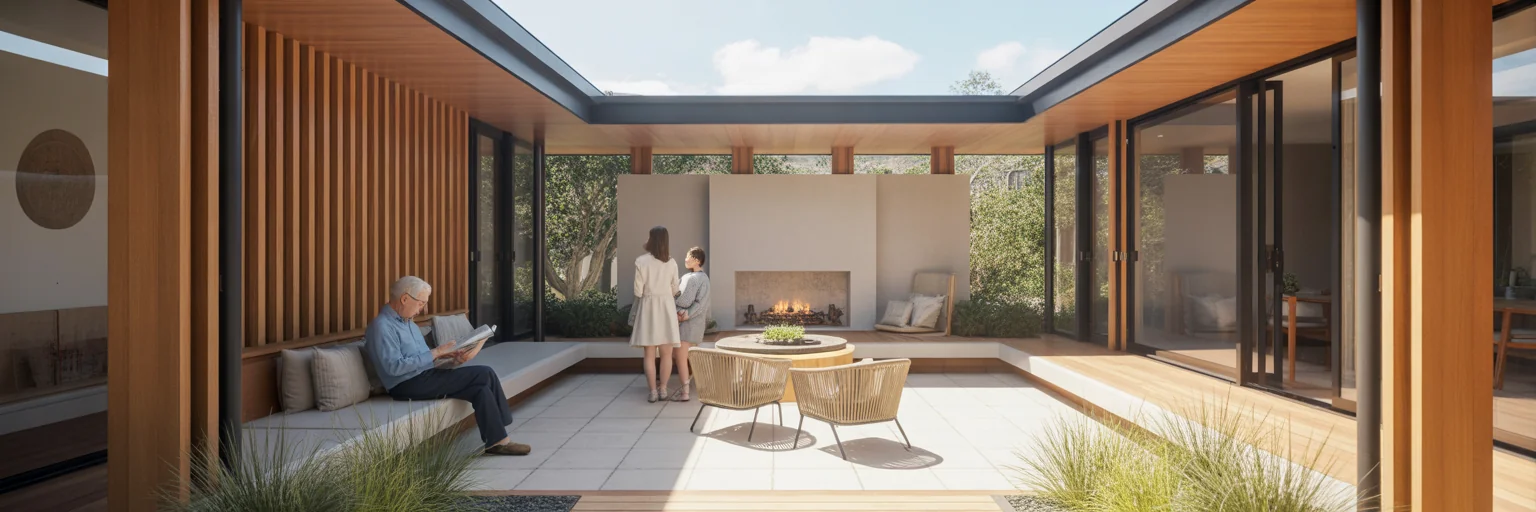
While personal space is essential, a legacy home must also have a heart that draws everyone together. This is where the 'community hub' comes in. Typically, this is a large, open plan kitchen and dining area that serves as the natural gathering point for daily life. It is the spot where conversations start over a morning coffee and where the whole family connects at the end of the day.
Beyond the kitchen, other shared spaces are vital for fostering connection. A central courtyard, a large deck for summer barbecues, or a shared vegetable garden can encourage spontaneous interactions. These areas become extensions of the home’s living space. We have seen in our past work how seamless indoor outdoor flow, achieved with large sliding doors, connects living areas to the outdoors and encourages movement and mingling.
Flexible rooms also play a key role in balancing privacy and community in homes. A space that functions as a kids' playroom during the day can easily transform into a media room for the whole family at night. This adaptability ensures that communal areas serve multiple purposes, bringing people together for different activities throughout the week. Many of these same ideas appear in our guide to designing a home for all ages, where flexibility and accessibility are considered together.
Location and Site Planning for Privacy
Privacy does not start at the front door. It begins with the very first decisions made during the preliminary design process, specifically with how the house is positioned on its site. Choosing the right section and orienting the home thoughtfully can make all the difference. If you are still comparing sites, our guide to choosing the right spot for a legacy home looks at climate, access, community and long-term suitability.
The sun's path is another critical factor. Private areas like bedrooms can be placed to face away from public view, while shared living spaces are positioned to capture the warm afternoon sun. These are simple yet effective legacy home building ideas. To further enhance privacy, consider these strategies:
- Natural Screening: Strategic planting of native trees and shrubs creates effective visual and sound barriers. Well placed fences or garden walls can also define private outdoor zones without feeling restrictive.
- Window Placement: It is possible to bring in abundant natural light without sacrificing privacy. Techniques like high level windows, which let light in without offering a direct view, or the use of frosted glass in sensitive areas, are excellent solutions. Carefully angled panes can also direct the view towards your own garden instead of a neighbour’s window.
Future-Proofing Your Home for Generations
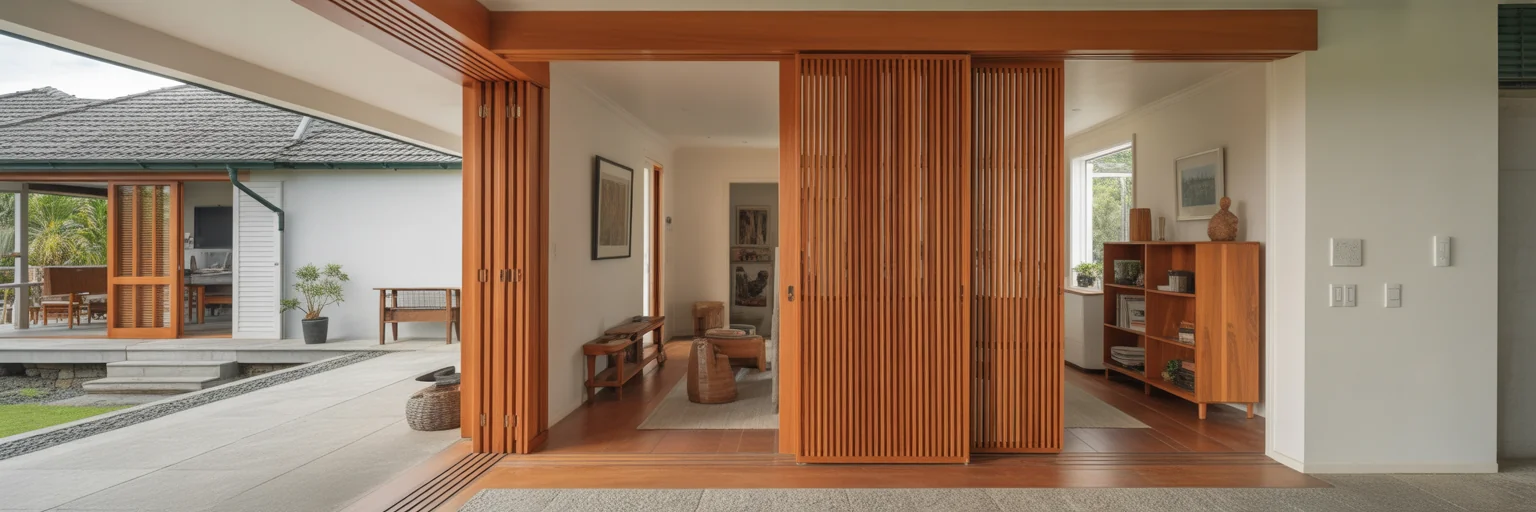
A true legacy home is designed not just for today, but for the decades to come. This means embracing adaptable design, creating spaces that can evolve as the family’s needs change. For example, a ground floor home office with an adjacent bathroom can easily be converted into an accessible bedroom for an aging parent. A large rumpus room might one day become a self contained flat for a young adult saving for their own place. Our guide to creating a home for every stage of life explores these future-proofing decisions in more detail.
Investing in durable, high quality materials and timeless finishes is equally important. A home built to last will serve future generations without requiring constant, costly updates, reflecting the same long-term thinking discussed in Building a Kiwi Home for the Ages. Ultimately, a successful legacy home is not static. It is a stable and supportive base that grows and changes with the whānau. If these ideas resonate with you, we would love to discuss your project.