
The Shift Towards Infill Living in Kiwi Cities
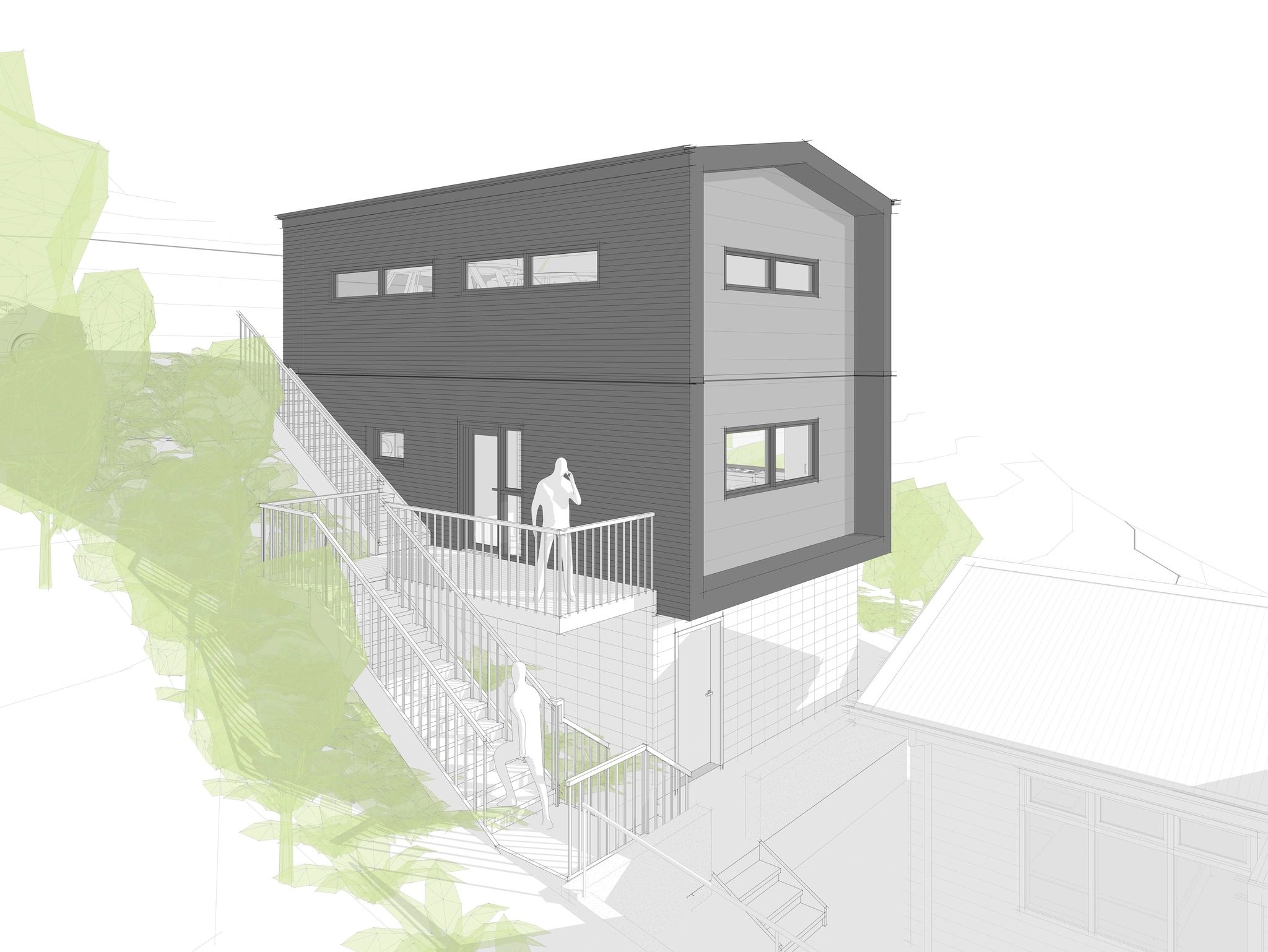
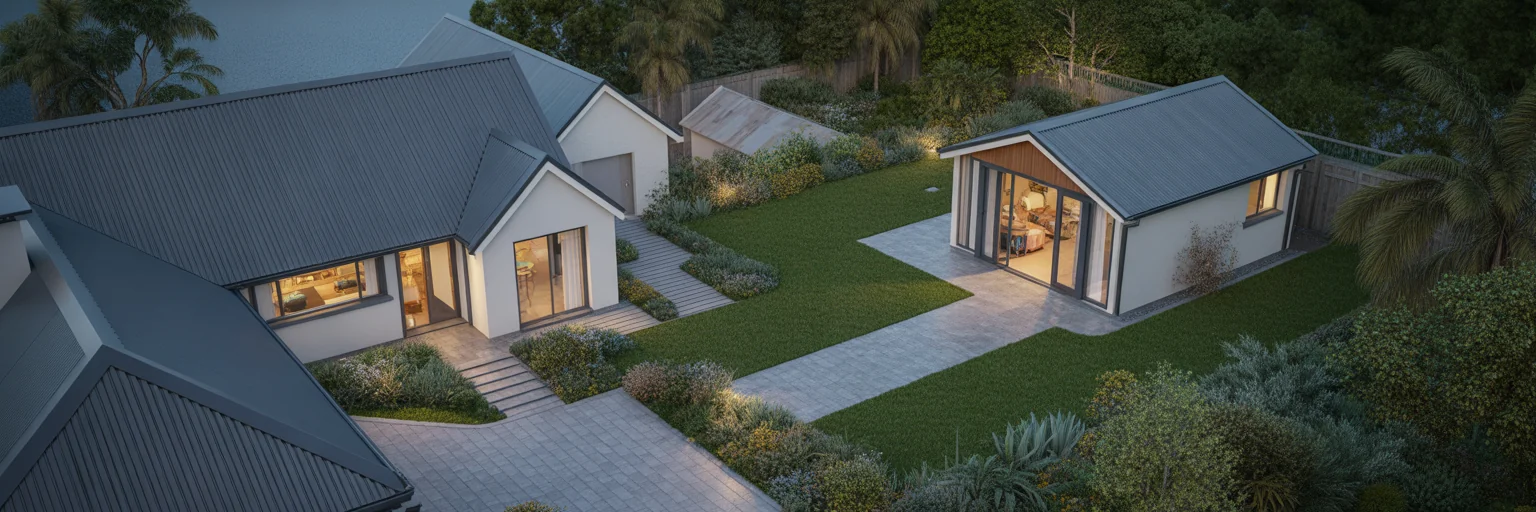
The classic quarter acre dream is changing, especially in New Zealand's growing urban centres. As land becomes more expensive and people seek more connected lifestyles, we are finding smarter ways to use the space we already have. This has led to a greater focus on infill housing, which is simply the process of building new homes on existing sections within our cities and towns like Auckland, Wellington, and Christchurch, rather than continuing to spread outwards. Our New Zealand infill housing guide covers the wider development model and practical considerations.
This approach offers clear benefits for both individuals and the wider community. Thoughtful infill housing design makes better urban living possible by creating:
- Shorter travel times and less reliance on cars.
- More customers for local cafes, dairies, and shops, which helps create vibrant local economies.
- More walkable, lively, and connected neighbourhoods.
Good architectural design is what ensures these new homes are a welcome addition that enhances an area's character. To see how this applies to specific projects, you can explore our services for infill dwellings.
Smart Design Principles for Urban Homes

When it comes to designing a small urban home, a one size fits all approach simply does not work. The process must begin with a deep understanding of the specific site, including its shape, how the sun moves across it during the day, and the character of the surrounding neighbourhood. Our approach to design is founded on this principle of careful observation and planning from the very start. For secondary dwellings in particular, site planning for access, services and outdoor space needs to be resolved alongside the building itself.
A key challenge is balancing the need for a private, quiet home with a sense of connection to the street and community. We can achieve this through clever design techniques. This might involve the strategic placement of windows to capture views and light without looking directly into a neighbour's home. It could also mean using screening, fences, and thoughtful landscaping to create pockets of privacy. Our guide to privacy in urban Kiwi homes explores those design tools in more depth.
Being a good neighbour also means designing a building form that respects the scale and rhythm of existing houses. This includes carefully considering how much shadow a new home might cast on adjacent properties. Even on a small footprint, creating functional and enjoyable outdoor living areas is essential. A sheltered courtyard, a sunny deck, or a private balcony can feel like a true extension of the indoor living space, making the home feel more generous and liveable.
Maximising Natural Light and Fresh Air
A home that feels bright, airy, and healthy is a joy to live in. This feeling does not happen by accident. It is the result of specific design strategies focused on maximising light in new builds and promoting natural airflow. These small, consistent improvements can significantly enhance daily life. As the Auckland Design Manual highlights, careful placement of buildings is crucial for optimising sun exposure and airflow.
Some of the most effective architectural techniques include:
- Orienting windows and skylights to capture morning and afternoon sun, which makes a home feel more spacious and provides passive warmth in winter.
- Designing for natural cross ventilation by placing openings on opposite sides of a room or home, allowing breezes to flow through for natural cooling.
- Incorporating features that draw light into the centre of the home, such as double height living areas, open stairwells, or small internal courtyards.
These design choices are not just about aesthetics. Good light and fresh air are fundamental to our wellbeing, making a home more comfortable and pleasant.
Weaving in Green Building Practices
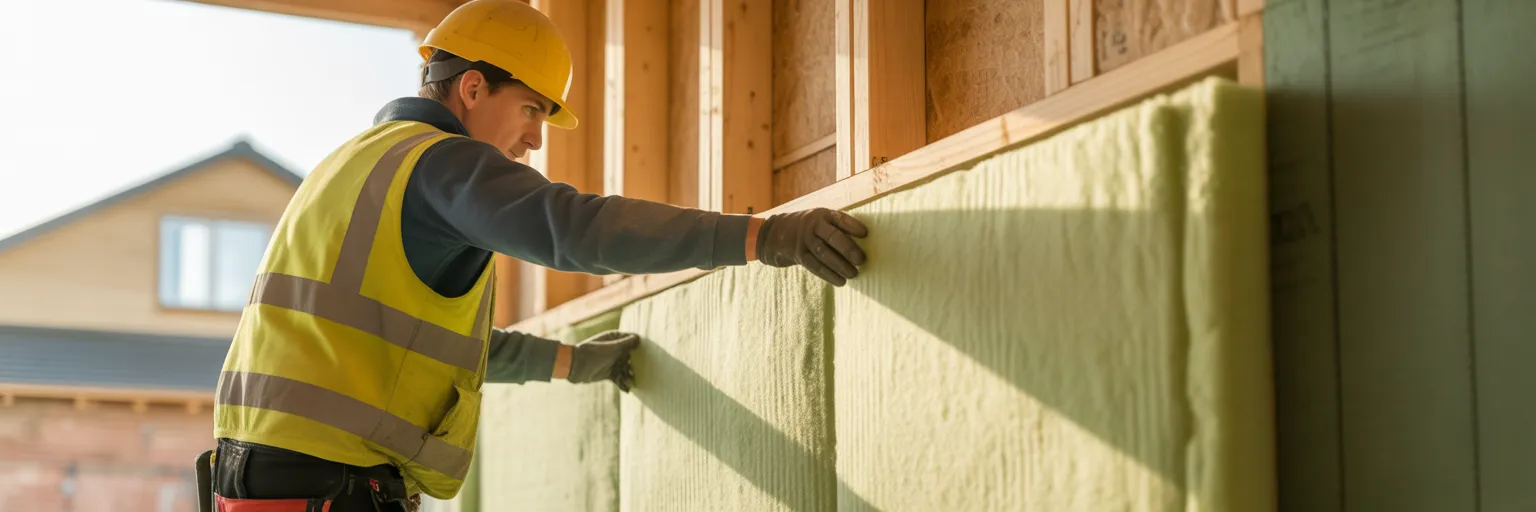
Modern urban homes should be designed with the future in mind. This is where sustainable home design comes into play, focusing on practical and accessible green building concepts. It all begins with a high quality building envelope. This means creating a home with excellent insulation and airtight construction to minimise the energy needed for heating and cooling. This is the foundation of our high performance design specialisation, resulting in a warm, dry, and efficient home.
Thoughtful material choices are also important. We can prioritise materials that are locally sourced, contain recycled content, or have a lower environmental impact. Simple yet effective water saving strategies, like rainwater harvesting systems for the garden or specifying water efficient taps and appliances, also make a difference. Even small urban sites can incorporate nature. Features like green roofs, living walls, or gardens with native plants help manage stormwater, support local biodiversity, and add valuable green space to the neighbourhood. As the National Medium Density Design Guide from the Ministry for the Environment explains, these elements help create better outdoor spaces in urban settings.
Building Better Neighbourhoods Together
Ultimately, successful infill housing is about more than just building a house. It is about making a positive contribution to the neighbourhood. The best results come from combining a site responsive design, a focus on liveability through light and privacy, and sustainable building principles. When done well, there are clear benefits of medium density housing for the whole community.
These projects help create more diverse, walkable, and interesting places for everyone to enjoy. By embracing thoughtful design, we can shape a more sustainable and enjoyable urban future for New Zealand, one home at a time. It is about building not just houses, but better communities. If you are inspired to begin your own project, we would love to hear from you, so please feel free to get in touch.