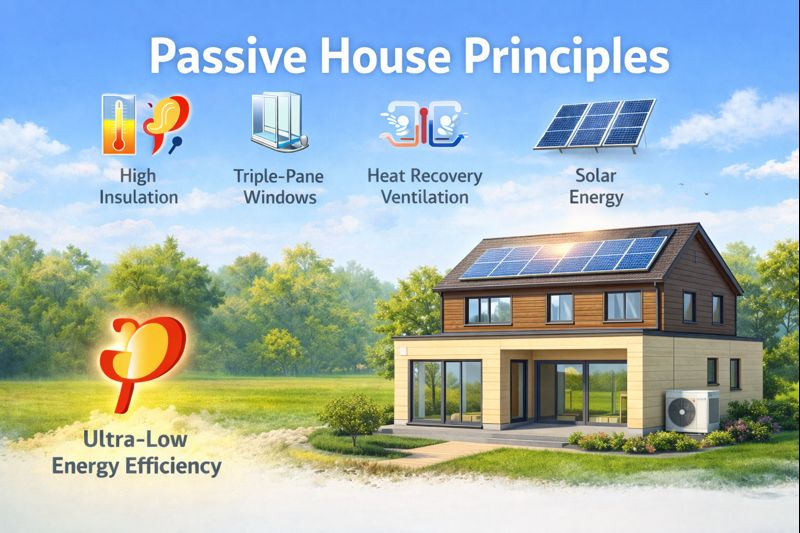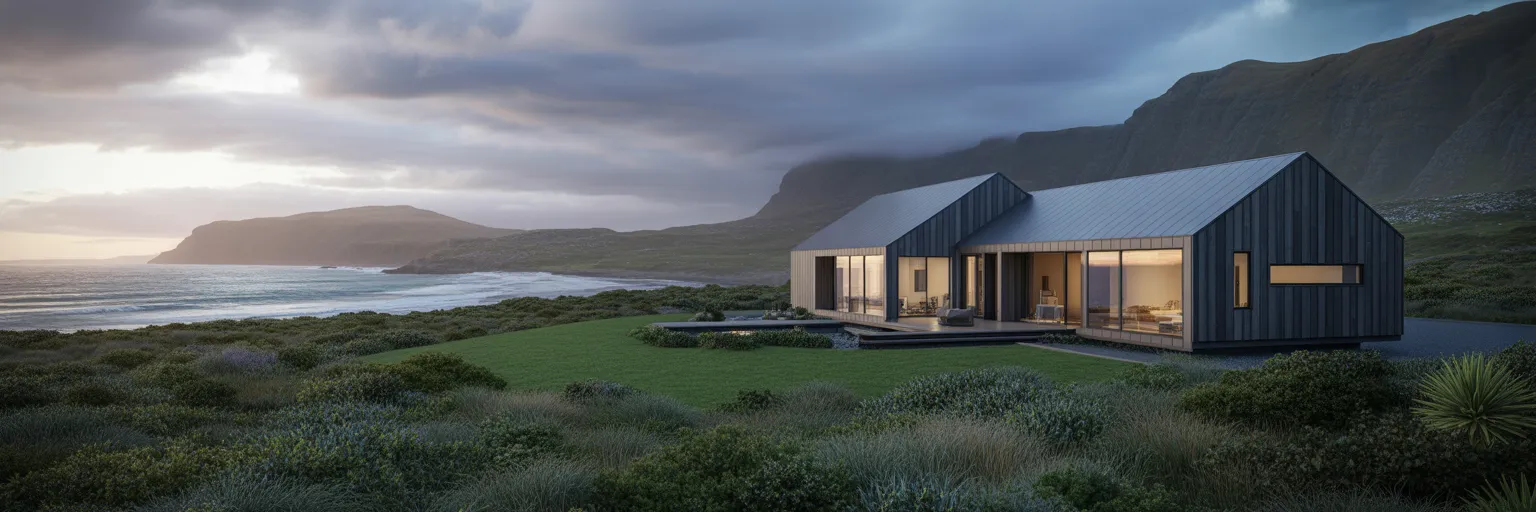

Designing for Aotearoa’s Unique Climate Zones
Anyone who has travelled through New Zealand knows our weather can change in an instant. A home designed for the damp coastal air of the upper North Island simply won't feel right on the blustery Canterbury plains or in the sheltered, frosty valleys of Central Otago. This is the core challenge when designing for the NZ climate. A one size fits all approach often leads to homes that are expensive to run and uncomfortable to live in.
Just as a delicate instrument requires packaging tailored to protect it, a home needs a design specifically suited to its environment. This ensures it protects its inhabitants and performs efficiently for decades. It’s a philosophy that sits at the heart of our approach to architectural design, where location dictates every decision.
The Smart Approach of Passive Home Design
So how do we create a home that works with its environment instead of fighting it? The answer lies in the intelligent principles of passive house design. This approach is less about complicated machinery and more about smartly using natural elements to keep a home warm in winter and cool in summer. It’s about working with nature, not against it. The core ideas are surprisingly straightforward.
- Solar Orientation: We position the main living areas and windows to face north, capturing free warmth from the low winter sun. Thoughtfully designed eaves or overhangs then block the high, intense sun during summer, preventing overheating.
- Natural Ventilation: By strategically placing windows and openings, we encourage cross breezes to flow through the home. This natural cooling is a simple yet powerful way to maintain comfort during our warmer months.
- Thermal Mass: Solid, dense materials like a concrete floor slab act like a thermal battery. They absorb the sun’s heat during the day and release it slowly through the night, which helps to keep the indoor temperature stable and pleasant.
These principles form the foundation of our new build homes, creating spaces that are naturally comfortable.
Building a High-Performance Shell
While passive design principles set the strategy, the physical construction brings it to life. This is where we focus on creating a high performance building ‘shell’. Think of the walls, roof, floor, and windows as the home’s protective layer against the elements. For high performance homes, this shell is far superior to a standard build.
First, we use continuous insulation that wraps the entire home without gaps. This eliminates ‘thermal bridges’, which are weak spots where heat can easily leak out, much like a hole in a bucket.
Next is airtightness. A properly sealed home stops uncontrolled draughts and air leakage, which are major culprits for heat loss and discomfort. This single step dramatically improves new build energy efficiency and lowers power bills.
Finally, we specify high quality windows. Modern double or even triple glazing, combined with thermally broken frames, creates a formidable barrier. This technology prevents precious warmth from escaping in winter and stops unwanted heat from getting in during summer. These technical details are central to our high performance design service.
Building for Lasting Comfort and Resilience
When these thoughtful design strategies and high performance construction techniques come together, the result is more than just one of the many energy efficient homes. It is a living environment that is fundamentally better. These homes are healthier, drier, and consistently comfortable, no matter the season.
This approach also builds long term resilience. A well designed home is better prepared to handle future weather extremes and our changing climate patterns. The same long-term thinking sits behind designing a Kiwi home that lasts. For the homeowner, the benefits are clear and tangible.
- A healthier indoor environment with less moisture and mould.
- Consistent, comfortable temperatures all year round.
- Significantly lower energy bills.
- A durable, quiet home built to last.
Ultimately, climate specific design is a direct investment in your family’s wellbeing. It’s about creating a home that not only performs exceptionally but feels wonderful to live in. If you're inspired by these ideas, you can explore more thoughts on our architecture blog or get in touch with us to start the conversation.