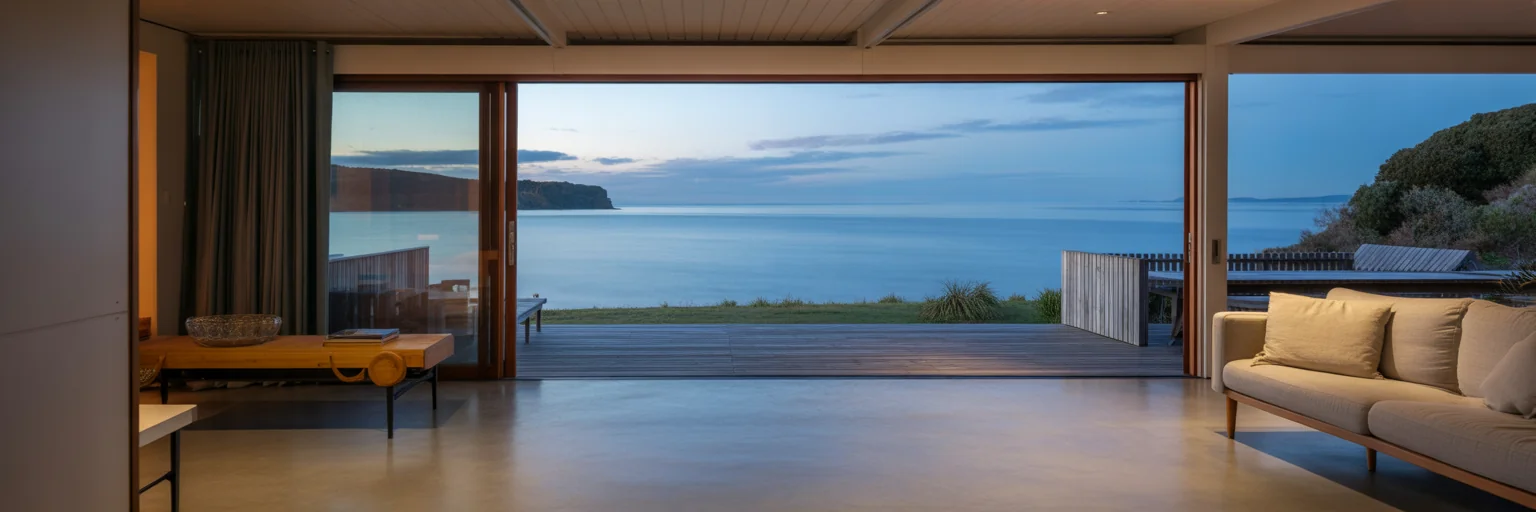

The idea of a Kiwi bach is deeply woven into our culture. It represents a retreat from the everyday, a place where the sound of the waves replaces the noise of the city. Yet, creating that perfect coastal escape involves more than just finding a spot with a great view. New Zealand’s stunning coastline presents a unique set of challenges that require thoughtful design from the very beginning. Our broader guide to designing a home for a coastal section explores how orientation, shelter and views shape those early decisions.
Choosing Materials That Last by the Coast
New Zealand's coastal environment is beautiful but unforgiving. The constant exposure to salt spray and humid air can quickly cause standard building materials to corrode and decay. This is why the selection of salt resistant building materials is not just a detail, it is the foundation of a durable home. Materials like treated timber, fibre cement, and certain composites are proven to withstand these harsh conditions, ensuring your bach remains a haven for generations.
Beyond the main structure, it is the small components that often fail first. Think about window frames, door handles, screws, and outdoor lights. We have all seen the telltale signs of rust staining a wall. Using high grade stainless steel or powder coated aluminium for these fixtures is essential to prevent this kind of deterioration. It is a small decision that makes a huge difference to the longevity and appearance of your home. For a more technical look at salt, humidity and wind exposure, see Smart Home Design for New Zealand's Coastline.
This same thinking extends to your outdoor living spaces. A deck is the heart of a bach in summer, but it takes a constant beating from the elements. Timber choices for decks and pergolas must be either naturally resilient or properly treated to handle the seaside environment. Getting these material choices right from the start ensures your outdoor areas remain safe and inviting for years to come, which is a core principle we apply in our projects. This careful consideration is a key part of building a bach in NZ that truly endures.
Blurring the Lines Between Inside and Out
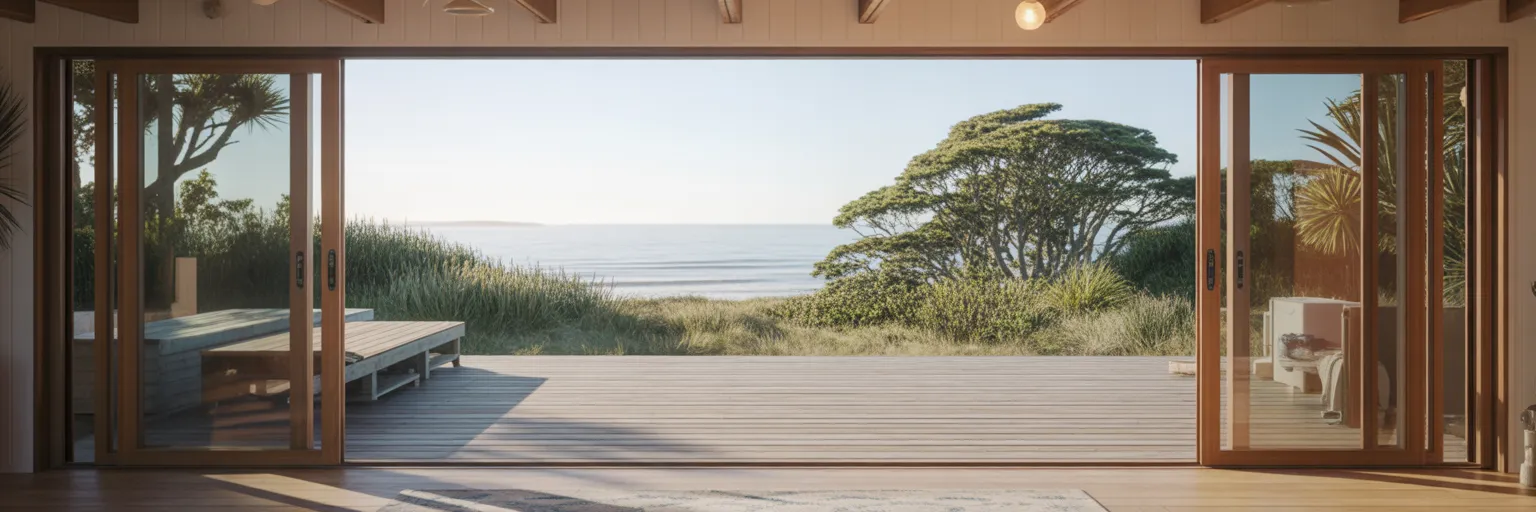
Once you have a durable structure, the focus shifts to how you live in the space. The relaxed Kiwi lifestyle, especially in a holiday home, is all about a seamless connection to the natural surroundings. This is where great indoor outdoor flow ideas come into play, turning a simple house into a true coastal retreat. It is about creating a design that invites the environment in, rather than shutting it out.
Large windows and doors, like bifold or sliding systems, are fundamental to this. Their purpose goes beyond just framing a beautiful view. They are crucial for welcoming in the sea breeze for natural ventilation on a hot day and making the interior feel more expansive. When you can open up a whole wall, the line between your living room and the deck disappears. This is a key part of the design process, where we map out how the home will feel and function.
An open plan layout naturally supports this connection. By merging the kitchen, dining, and living areas into a single, fluid space, you encourage social gatherings and effortless movement. Someone cooking in the kitchen can still be part of the conversation happening on the deck. This approach is particularly suited to the unique needs of holiday homes, where connection and relaxation are the main goals. A well designed patio or sheltered courtyard becomes a true extension of your living area, a perfect spot for a barbecue or a quiet morning coffee.
Smart Energy for a Part Time Home
An energy efficient holiday home is about more than just saving money on power bills. It is about practicality and comfort. A bach is often used seasonally, sitting empty for weeks or months at a time. Smart design ensures it is comfortable from the moment you arrive, without wasting resources. It also helps manage running costs and minimises your environmental footprint.
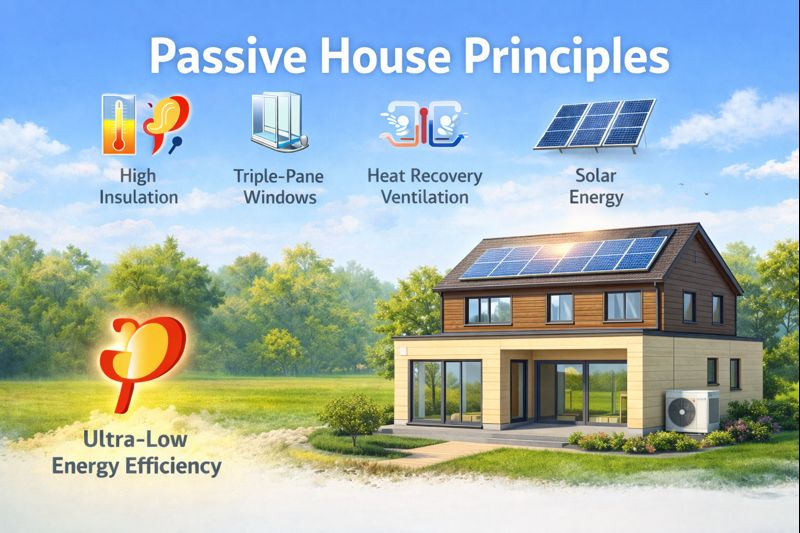
High quality insulation is the starting point. Exceeding the minimum building code standards for walls, ceilings, and underfloor insulation makes a significant difference in maintaining a stable indoor temperature. This means your bach stays warmer in winter and cooler in summer, reducing the need for constant heating or cooling. If you want to understand how insulation, glazing, airtightness and ventilation work as one system, see Understanding High-Performance Homes.
Strategic window placement also plays a huge role. Orienting windows to capture the low winter sun provides free passive heating. In contrast, well designed eaves can block the high summer sun, keeping the interior cool without needing air conditioning. These passive design principles are especially useful in a home that may not be occupied every day.
Working With Your Coastal Landscape

The final piece of great coastal home design is integrating the house with its natural setting. This means respecting the existing environment rather than imposing on it. A home that works with the land feels like it belongs there. Positioning the house to follow the site's natural contours can offer shelter from prevailing winds, optimise views, and create a much more harmonious appearance.
Thoughtful landscaping for coastal properties is just as important. Using native plants is a smart choice for several reasons. They are hardy, require less water, and are perfectly adapted to the local climate. Consider plants such as:
- Harakeke (flax), which is incredibly resilient and provides shelter for native birds.
- Tussock grasses that help stabilise soil and add beautiful texture.
- Tī kōuka (cabbage trees), which create a distinctively Kiwi silhouette against the skyline.
Finally, the home's exterior can help it blend with its surroundings. Using a colour palette and materials that echo the local environment, like natural timber tones or earthy colours, helps the bach sit comfortably within the coastal landscape. For ideas on keeping that retreat easy to own as well as beautiful, see Creating Your Dream Bach with Less Upkeep.