Why Sunlight Matters in a New Zealand Home
There is a collective sigh of relief across New Zealand when the sun finally breaks through after a long stretch of grey winter days. We instinctively move towards it, seeking its warmth and brightness. This deep appreciation for sunlight is more than just a feeling. It is a fundamental part of creating a home that not only looks good but also feels good to live in.
Sunlight for Wellbeing
Our bodies are naturally tuned to the rhythm of the sun. Exposure to daylight helps regulate our internal clock, or circadian rhythm, which influences our sleep patterns and energy levels. Waking up to natural light can improve your mood and alertness throughout the day. A home filled with sunlight feels more vibrant and positive, which is why maximising natural light in NZ homes is so important for our overall wellbeing. It is the simple difference between a space that feels draining and one that feels restorative.
Energy and Cost Savings
A sunlit home is also a smarter home, especially when it comes to your power bill. Abundant daylight reduces the need for artificial lighting, directly cutting down on electricity consumption. Beyond just light, there is the benefit of passive solar gain. This is where the low winter sun streams through north facing windows, naturally warming your home’s interior. This simple act of nature can significantly reduce your heating costs during the colder months. A well designed home that harnesses the sun is the foundation of an energy efficient home design. Achieving this level of efficiency is a core component of what we consider high performance design.
Aesthetics and Space
Light has a remarkable ability to transform how we perceive a space. A bright, sun filled room instantly feels larger, cleaner, and more open. It highlights textures, brings colours to life, and eliminates dark corners that can make a room feel cramped. This effect is particularly valuable for enhancing the classic Kiwi lifestyle of indoor outdoor flow. When sunlight floods your living area, the boundary between your home and your garden seems to dissolve, creating a seamless connection to the outdoors and making your home feel more expansive.
Smart Planning for All Day Sun
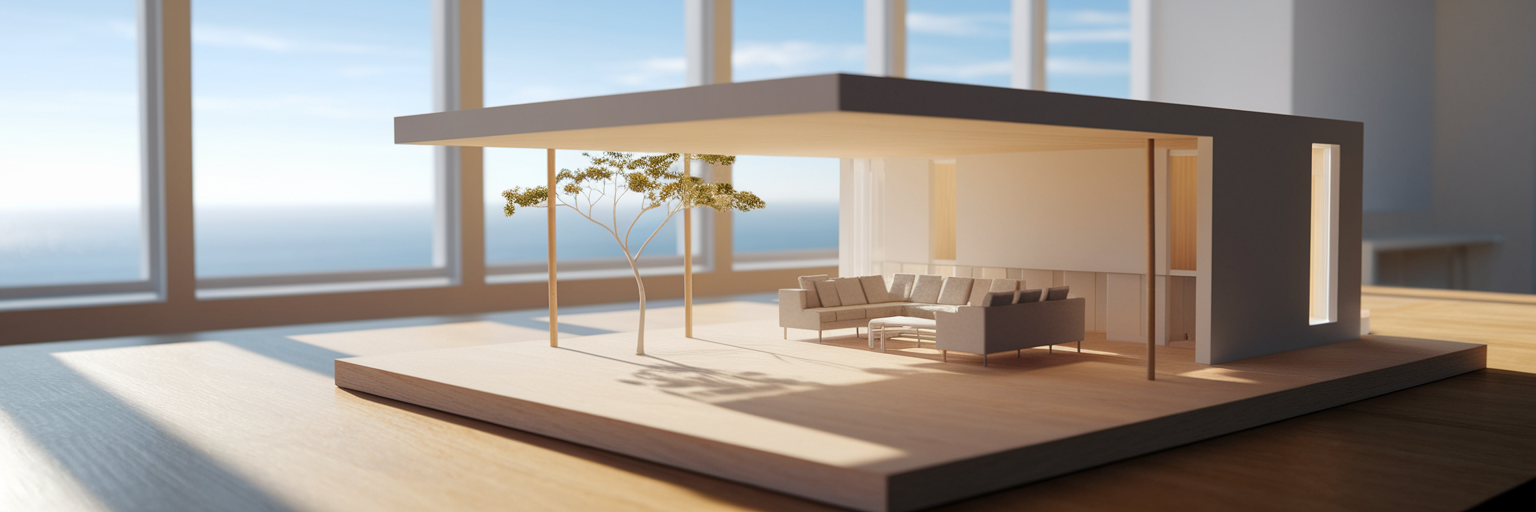
While the benefits of sunlight are clear, capturing it effectively is not a matter of luck. It begins with the very first decisions made about your home’s layout and position on the land. These foundational choices have the biggest impact on how light will move through your home all day, every day.
The Importance of North Facing Orientation
In New Zealand, orienting your main living spaces to the north is the golden rule for a sun filled home. This is because the sun travels across the northern sky, providing consistent, all day light. The north facing house benefits NZ homeowners most in winter, when the sun sits lower in the sky. A north facing orientation allows this low angled sun to penetrate deep into your home, bringing welcome warmth and light when you need it most. As stated by Building Performance NZ, proper orientation is a key factor in a home's warmth and energy use. For those wanting to understand the official guidelines, their website offers further details on the topic.
Open Plan Living for Light Flow
Once you have captured the light, you need to let it travel. Internal walls are the biggest barrier to sunlight. An open plan layout allows light from a single window to flow freely through a space, much like water filling a container. This shared light makes the entire area feel brighter and more connected. By removing unnecessary partitions between the kitchen, dining, and living areas, you create a single, luminous space that feels generous and welcoming.
Understanding Light from Every Direction
A thoughtful home design for sunlight considers the unique qualities of light from every direction. East facing windows are perfect for kitchens and bedrooms, greeting you with cheerful morning sun. West facing light is warm and golden in the afternoon, ideal for living areas and decks used in the evening. However, it can also bring intense heat in summer, so it requires careful management. South facing rooms receive cool, indirect light that is consistent and glare free, making it perfect for a home office, art studio, or laundry. This strategic thinking is central to the concept design phase of any successful project.
Windows and Skylights as Tools for Light
With a smart layout in place, the next step is to think about the openings that let the light in. Windows and skylights are not just holes in the wall. They are active tools that can be used to direct, control, and shape the sunlight entering your home. Making the right choices here is key when considering how to get more sun in house designs.
Size and Placement Matter Most
It is a common misconception that more windows automatically mean more light. In reality, the size and placement of your windows are far more important than the quantity. A few large, well positioned windows will be much more effective than many small, scattered ones. The largest expanses of glass should almost always be on the north face of your home to capture the most consistent light and passive solar heat. Placing windows higher on a wall also helps light penetrate deeper into a room.
Lighting Up the Core of Your Home
What about rooms in the middle of the house, like hallways, bathrooms, or internal kitchens that have no exterior walls? This is where skylights become invaluable. By installing a skylight, you can bring daylight directly down from the roof into the darkest parts of your home, transforming a gloomy space into a bright one. Another clever solution is clerestory windows. These are short, wide windows set high up on a wall, often above an internal roofline. They allow light to flood in from above while maintaining complete privacy from the outside.
Modern Glazing for Comfort
Letting in lots of light is great, but not if it makes your home freezing in winter or boiling in summer. Modern glazing technology gives you the best of both worlds. Double glazing, which uses two panes of glass with a sealed air gap, is now a standard for good reason. It dramatically reduces heat loss. For even better performance, low emissivity low emissivity (or Low-E) coatings can be applied. These are microscopically thin, transparent coatings that reflect heat, keeping it inside during winter and outside during summer, all without reducing the amount of visible light. These considerations are especially important when planning new build homes from scratch.
Using Your Interior to Boost Brightness
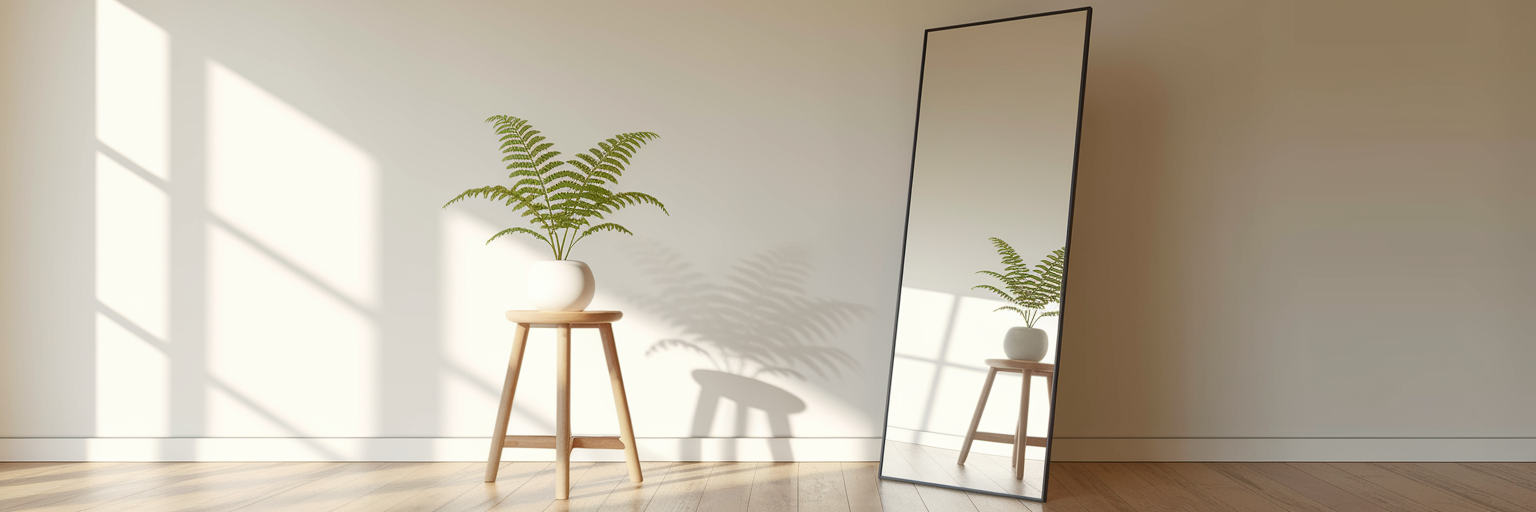
Once sunlight is inside your home, you can use interior design choices to amplify its effect. These strategies are not just about decoration. They are functional tools that work to bounce light around a room, making the entire space feel brighter and more expansive. Here are three simple ways to make the most of the light you have.
- Light Coloured Surfaces
The colour of your walls and ceilings has a huge impact on the brightness of a room. Dark colours absorb light, while light colours reflect it. Painting your walls in shades of white, off white, or pale, warm neutrals will act like a giant reflector, bouncing sunlight into every corner. A crisp white ceiling is particularly effective as it helps to lift the space and spread light downwards. - Strategic Mirror Placement
A mirror is a powerful tool for multiplying light. When you place a large mirror on a wall opposite a window, it can almost double the amount of perceived light coming from that source. It also reflects the view outside, which can create a sense of depth and connection to the outdoors. This is a perfect trick for brightening up a dark hallway, a small room, or an entryway. - Consider Your Finishes
The texture of your surfaces also plays a role. Finishes with a slight sheen will reflect more light than those that are completely matte. Consider using a satin or gloss finish on kitchen cabinetry, or choose a splashback with glossy tiles. Polished concrete or light coloured timber floors with a semi gloss finish will also bounce light around more effectively than dark carpets. These subtle choices all add up to create a brighter interior.
If you would like to discuss how these ideas could work in your own home, feel free to get in touch with us.
Finding the Right Balance of Light and Comfort
While a sun filled home is a wonderful goal, it is possible to have too much of a good thing. Uncontrolled sunlight can create uncomfortable glare on screens, fade furniture and artwork, and lead to overheating, especially in west facing rooms during a hot Kiwi summer. The aim is not just a bright home, but a comfortable one. Fortunately, managing sunlight is straightforward with a few simple strategies.
Here are some effective ways to control light without sacrificing brightness:
- Light filtering blinds or sheer curtains that soften harsh, direct sun while still allowing a pleasant, diffused light to fill the room.
- Well designed eaves or pergolas that are calculated to block the high, intense sun of summer while still allowing the low angled sun of winter to stream in.
- Strategic planting of deciduous trees outside a window. These trees provide leafy shade during the hot summer months but lose their leaves in winter to let the precious sunlight through.
To get expert help in finding the perfect balance of light and comfort for your project, you can book a meeting to discuss your ideas.