
Embracing the Coastal Panorama
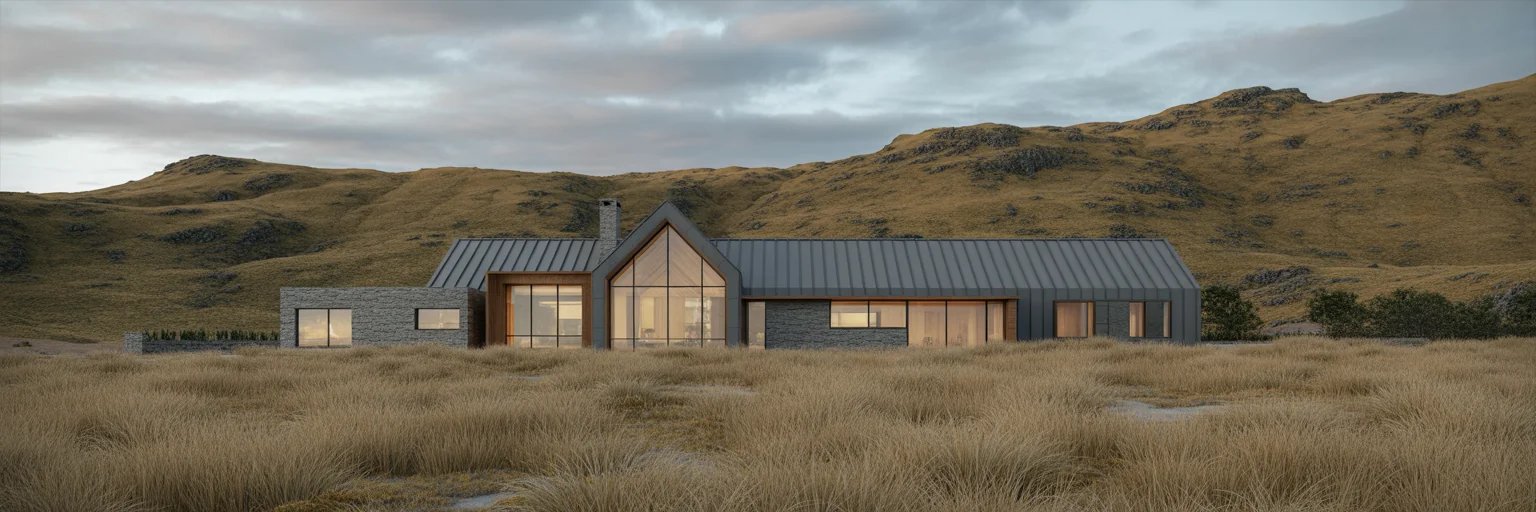
Creating a home on the New Zealand coast is about more than just construction. It is about forging a deep connection with the landscape, where the view becomes a living piece of art. The design approach must be carefully tailored to the specific character of your view, whether it is a vast ocean vista, a quiet sheltered bay, or a rugged West Coast beach. The first critical step is orienting the house on your section. This decision influences everything that follows, from maximising the warm morning sun to providing shelter from a biting Southerly wind. Our companion guide to smart home design for New Zealand's coastline looks more closely at resilience, ventilation and weather exposure.
Thoughtful positioning frames the most captivating parts of the view, turning nature into a focal point. A well considered bespoke home design in New Zealand creates a journey of discovery within the home itself. Imagine catching glimpses of the sea through a hallway window before the full panorama unfolds in your main living area. This careful planning is fundamental to creating a home that feels truly integrated with its surroundings. Understanding these early stages is a key part of our preliminary design service, where we help map out this initial vision.
Open Layouts and Expansive Windows
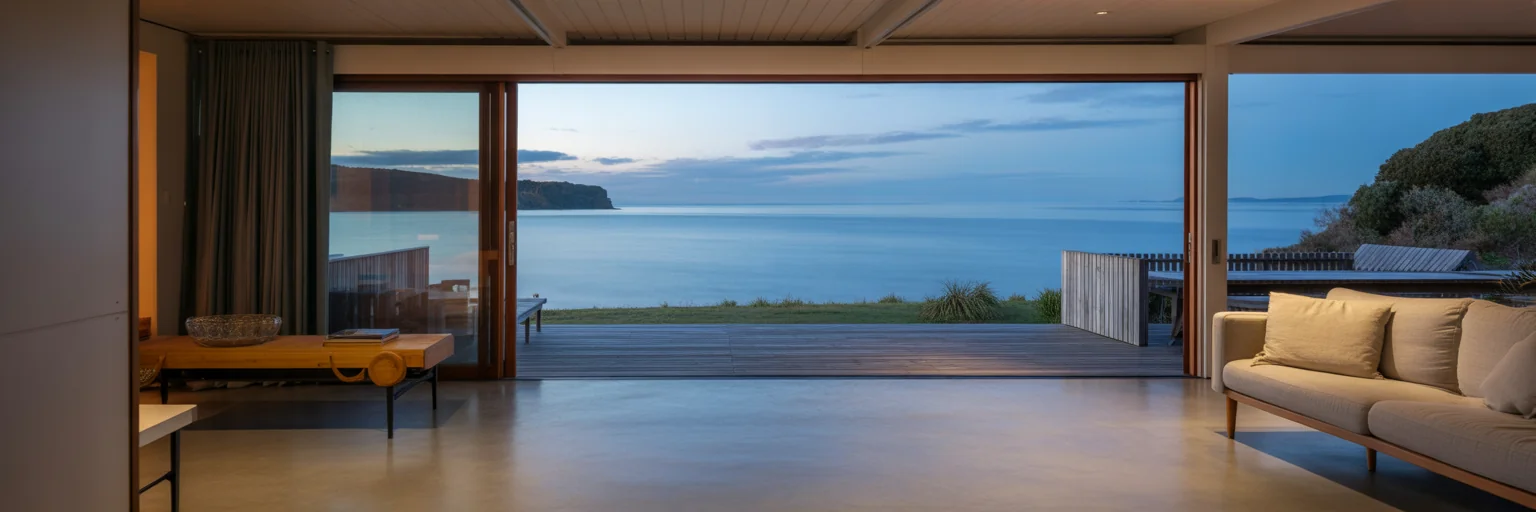
To truly bring the coastal view inside, the home’s layout needs to feel open and connected. Open plan living, which combines the kitchen, dining, and living spaces into one fluid area, removes physical barriers and creates uninterrupted sightlines to the outdoors. This approach makes the ever changing scenery a constant, beautiful backdrop to everyday life, from making breakfast to relaxing in the evening. The view is no longer something you look at, but something you live with.
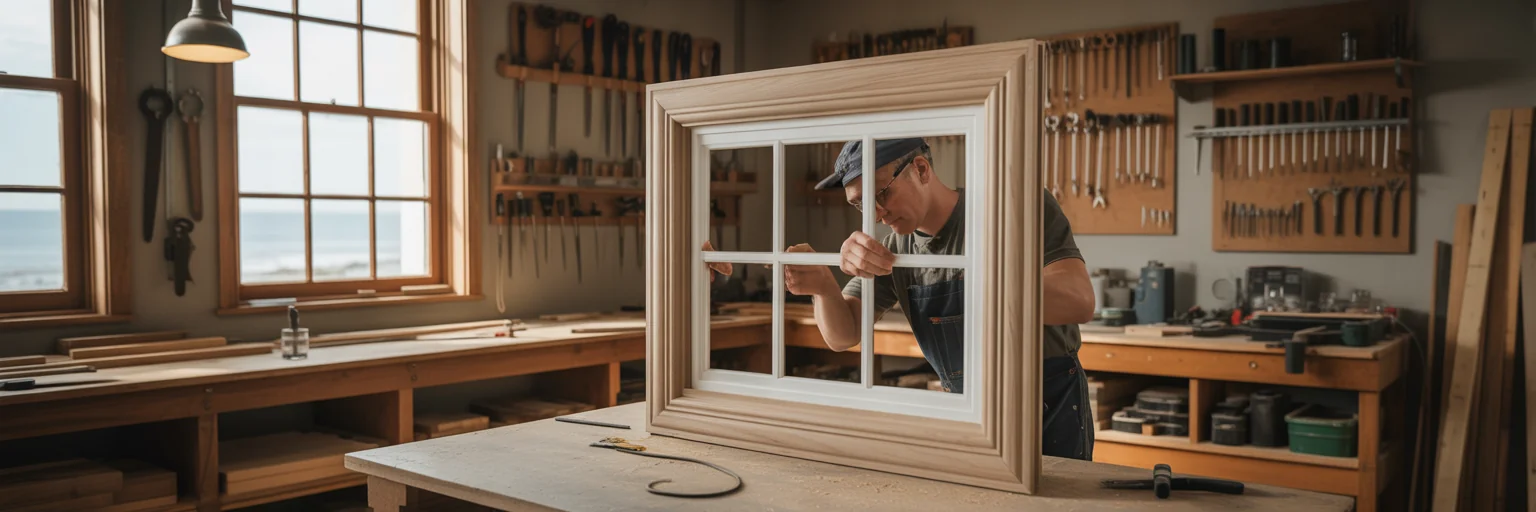
This sense of connection is amplified by using large windows for ocean views and expansive sliding doors. These features act as frames for the landscape. You might use a wide panoramic window to capture the full sweep of a beach, or a carefully placed vertical window to draw attention to a single, magnificent pōhutukawa tree. Of course, these beautiful elements must also be practical. Window frames need to withstand the harsh, salt laden air of the coast. Materials like corrosion resistant aluminium or specially treated timber are essential for longevity. These structural choices directly influence how you experience the view and are central to creating great indoor outdoor flow ideas. You can see examples of how these elements come together in our portfolio of completed projects.
Balancing Sunlight, Warmth, and Efficiency
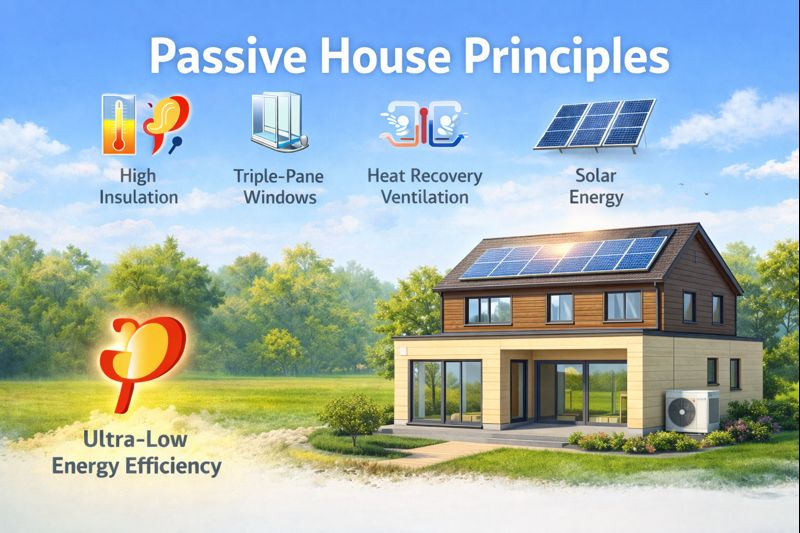
While large windows are fantastic for capturing views, they present a practical challenge. They can cause a home to overheat in the summer and lose significant warmth during the winter. A well designed home anticipates this, balancing beautiful aesthetics with year round comfort. The solution begins with high performance glazing. In simple terms, double or even triple glazing creates an insulating barrier of air between panes of glass, slowing heat transfer. Modern windows can also feature a low emissivity, or Low-E, coating. This is a transparent layer that reflects heat back outside in summer and keeps warmth inside during winter, all without compromising the clarity of your view.
Beyond technology, smart passive design principles make a huge difference. Correctly sized eaves or overhangs can be designed to block the high, intense summer sun while still allowing the lower winter sun to stream in and naturally warm the home. Another simple yet effective strategy is cross ventilation. By placing windows and openings on opposite sides of the house, you can capture cooling sea breezes for natural and energy free cooling. These considerations are vital for creating a comfortable and efficient home, a core focus of our high performance design services.
Designing Your Outdoor Living Space

A successful coastal home blurs the line between inside and out, making the deck or patio feel like a true extension of the living room. Achieving seamless indoor outdoor flow ideas can be as simple as installing level entry thresholds for sliding doors, removing the small step that can mentally separate the two spaces. Using similar flooring materials or colour palettes both inside and out also helps to visually connect the areas, creating one large, cohesive living environment.
Given New Zealand’s changeable weather, shelter is non negotiable for a usable outdoor space. There are several ways to create comfortable, protected areas:
- Covered verandas offer reliable protection from rain, allowing you to enjoy the fresh air in any weather.
- Pergolas with adjustable louvres give you control over sun and shade, adapting to the time of day.
- Frameless glass balustrades are an excellent solution for blocking wind without obstructing the precious view.
Finally, landscaping with hardy native plants helps the home settle naturally into its environment. Species like harakeke (flax), pōhutukawa, and coprosmas thrive in coastal conditions and require minimal maintenance. This thoughtful approach to outdoor living is especially important for the kinds of holiday homes we specialise in designing.
Choosing Materials That Endure the Elements
A coastal home faces a unique set of environmental challenges, including corrosive salt spray, high winds, and intense UV radiation. Selecting the right building materials for coastal conditions is therefore a critical decision that directly impacts the home's longevity and maintenance requirements. Our article on natural materials and enduring Kiwi homes provides broader context for balancing material character with durability.
Your material selection should be guided by durability and resilience. Here are some proven options for key external components:
- Exterior Cladding: Options like specially treated cedar or larch, durable fibre cement sheets, and high grade metal cladding offer excellent resistance to moisture and corrosion.
- Decking: To avoid rot and splintering in a marine environment, consider durable hardwoods or modern composite decking materials.
- Fixtures and Fittings: Small details matter. Using marine grade stainless steel or powder coated aluminium for downpipes, gutters, and exterior lighting is essential to prevent rust and degradation.
We know material selection can bring up many questions, which is why we have compiled answers on our frequently asked questions page.
Bringing Your Coastal Vision Together
A truly successful coastal home is one where every element works in harmony. The open layouts, high performance glazing, integrated outdoor spaces, and durable materials must all support the singular goal of connecting you with the stunning environment. A spectacular view is just one component. The ultimate aim is a comfortable, functional, and liveable home that reflects your lifestyle while respecting the natural power of the New Zealand coastline.
For a more holiday-home-specific version of these ideas, Creating Your Perfect Kiwi Bach by the Sea brings together coastal materials, energy efficiency, outdoor living and landscape. If you are ready to start turning your coastal vision into a reality, we would love to hear from you. Please feel free to get in touch with us to begin the conversation.