The Kiwi dream is no longer just about the quarter acre section. It’s about creating a home that genuinely reflects how we live, a space tailored to our own stories and daily rhythms. If that personal side of design is central to your brief, our article on building a home that tells your whānau story explores how family history and everyday rituals can become part of the architecture.
Starting with Your Story Not Just a Floor Plan
The first step in any custom home design project isn't about looking at floor plans. It begins with a much deeper look inward at your daily routines, your passions, and what truly matters to you. A great home is a reflection of its inhabitants, so understanding yourself is the most important part of the process. Before any lines are drawn, we need to map out your life.
Think of it as writing a brief for your own life. This isn't about picking rooms from a catalogue. It's about defining how you want to feel and function in your space. To get started, consider a few honest questions about your lifestyle.
- How do you start your day? Is it with a quiet coffee watching the sunrise, or a busy family breakfast?
- Do you work from home? If so, do you need a quiet, separate office or a more integrated workspace?
- What are your hobbies? Do you need a dedicated space for bikes and surfboards, a workshop for creative projects, or a library for your book collection?
- How do you entertain? Are you known for big backyard barbies with friends, or do you prefer smaller, more intimate dinners?
Answering these questions creates a detailed personal brief. This document is the most powerful tool you can bring to your first meeting with an architect. It sets a clear direction and is the foundation for learning how to design a house that fits you perfectly. This preparation is a key part of the journey, and it's helpful to understand what to expect before we get started.
The Power of a Good Partnership

Once you have a clear picture of your lifestyle, the focus shifts to finding the right creative partner. The relationship with your architecture partner is not a simple transaction. It is a partnership built on trust, open communication, and shared vision. The process of working with an architecture team should feel collaborative and reassuring, not intimidating.
Good kōrero, or honest conversation, is at the heart of this partnership. We encourage you to share every idea, no matter how unconventional it might seem. At the same time, it is important to be receptive to professional advice. An architectural designer brings expertise in spatial design, construction methods, and council regulations that can refine your vision into a functional and beautiful reality. Their role is to translate your story into a built form.
A crucial element of a successful bespoke home building process is involving a builder early in the design phase. A successful design and build team manage expectations around costs and timelines from the beginning. It allows for practical discussions about materials and construction techniques, preventing expensive surprises later on. Early builder input is vital for evaluating site constraints and keeping the design within budget. The best homes are born from this seamless collaboration, where your vision and the team's expertise merge. When you're ready to find the right partner to bring your vision to life, you can book a meeting to discuss your ideas.
Making the Most of Your Slice of Heaven
In New Zealand, the land we build on is more than just a plot. Your section is an active partner in the design of your home. A thoughtful design works with the land, not against it, responding to its unique character and the surrounding environment. If you are still choosing a site, our guide to choosing land for a long-term home looks at climate, community, access and design potential together.
This approach, known as site responsive design, is about making smart choices from the very beginning. It starts with orienting the home to maximise natural light throughout the day and to frame the best views, whether you look out onto the Kaikōura Ranges, the Waitematā Harbour, or your own private garden. It’s about creating a home that feels connected to its place.
Consider a sloping section, which many might see as a challenge. A clever design can use split levels to follow the natural contours of the land. This not only minimises costly earthworks but also creates more interesting and dynamic internal spaces. We also have to consider our unique local weather. A home in Wellington needs sheltered outdoor areas protected from the prevailing wind, while a design for the intense Hawke's Bay sun might use strategic eaves and window placement for passive cooling. This thoughtful approach is a core part of high performance design, creating a home that is comfortable and efficient year round.
Choosing Materials That Tell a Story
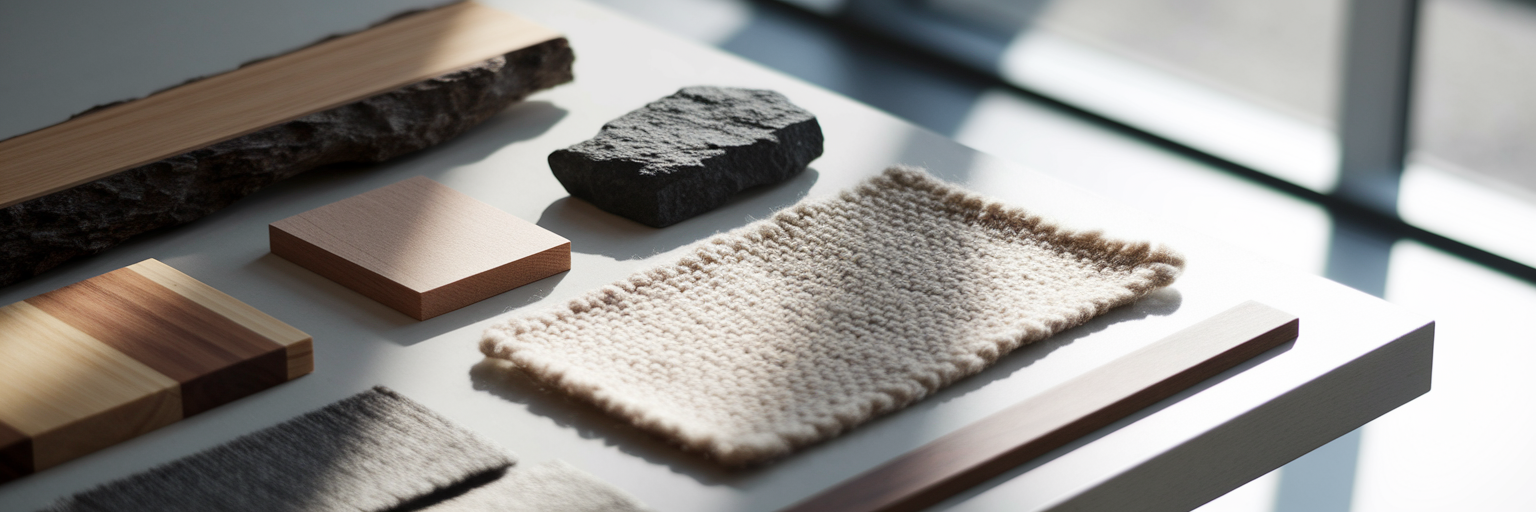
The materials you choose are the vocabulary of your home’s story. They give it character, texture, and a tangible connection to your personal values and the New Zealand landscape. This is where unique house plans truly come to life, moving from a drawing on a page to a physical, sensory experience.
The choice goes beyond simple aesthetics. Selecting locally sourced stone or native timbers like rimu and tōtara can ground a home in its environment, while the clean lines of corrugated iron might echo the classic Kiwi bach. These decisions reflect what is important to you. For instance, choosing sustainably sourced timber shows a commitment to environmental responsibility. Opting for durable, low maintenance materials demonstrates a desire for a home that is practical and built to last.
Think about the feeling these materials evoke. Imagine the warmth of a timber wall under your hand, the cool, smooth surface of a polished concrete benchtop, or the earthy texture of a natural plaster finish. These are the details that make a house feel like a home. These material decisions are integral to the design of all new build homes, defining their character and longevity.
A Look at Common Native New Zealand Timbers
Bringing the Inside and Outside Together
Creating a truly cohesive home often involves another layer of collaboration. While the architecture-build partnership is essential, the an interior designer brings the final vision to life. It helps to think of their roles with a simple analogy: the architect designs the 'bones' of the home, while the interior designer crafts its 'soul'.
The architectural designer is responsible for the structure, the layout, the flow between spaces, and the home's connection to the site. The interior designer then works within that framework to shape the internal experience through finishes, furniture, lighting, and textiles. For example, your architectural desigener might design a large picture window to capture the afternoon sun and a stunning view. The interior designer then complements this by placing a comfortable armchair and a side table in that exact spot, creating the perfect reading nook. Our guide to seamless indoor outdoor living explores how that architectural connection can be carried through the whole home.
This synergy ensures that every element works in harmony. It elevates a well built house into a home that feels completely integrated and deeply personal, completing the bespoke home building process. Understanding how these roles work together is just one part of the journey, and you can find answers to other frequently asked questions here.