
Why Building for Resilience Matters More Than Ever
Living in Aotearoa means accepting that our land is dynamic. The possibility of earthquakes, floods, and powerful storms is a simple fact of life here. But instead of being a source of worry, this reality can be the starting point for truly smart design. Resilient design is about creating a home that does more than just meet the minimum building code. It’s about ensuring your house remains a safe and liveable sanctuary after an event, helping your family get back on their feet faster.
This approach to resilient home design in New Zealand connects the strength of a structure to your long term peace of mind. A well built home isn't just strong. It is a healthier and more enjoyable place to be every day. That same long-term perspective runs through our guide to building a Kiwi home for the ages.
Starting with a Strong Foundation

A home’s strength begins with what lies beneath it. The specific piece of land your home sits on, whether it is on a steep slope, near the coast, or on challenging soil, directly shapes the design of its foundation. This is where the concept of low damage seismic design becomes so important. Think of it like the crumple zone in a modern car. The house is designed to move with an earthquake and then return to its original position with minimal harm. This is a key part of creating an effective earthquake proof house design.
As noted by Building Performance, adopting these principles is key to reducing structural damage during a seismic event. Choosing the right foundation is one of the most critical decisions you will make, impacting the entire structure for its lifetime. Different sites require different solutions to handle specific risks like liquefaction. Making these fundamental decisions early on is a core part of our process, ensuring your home is built on a solid footing from day one.
Bracing for Aotearoa's Wild Weather
With the foundation sorted, our attention turns from the ground to the sky. Preparing a home for New Zealand's weather, particularly strong winds and heavy rain, is essential when building for the NZ climate. The home’s overall shape and its orientation on the site can be used to work with the weather, not fight against it. Because New Zealand conditions vary so much by region, our guide to designing comfortable homes for different Kiwi climates is a useful companion to this resilience discussion.
Clever site planning also plays a role in water management, with thoughtful landscaping able to guide rainwater away from the house to prevent pooling and potential flooding. The Ministry of Business, Innovation and Employment offers a guide on resilient homes that details how to manage these elements. These considerations are vital for all natural hazard resistant homes, and they are principles we apply to all our projects, especially our new build homes.
Designing for Lasting Comfort and Efficiency
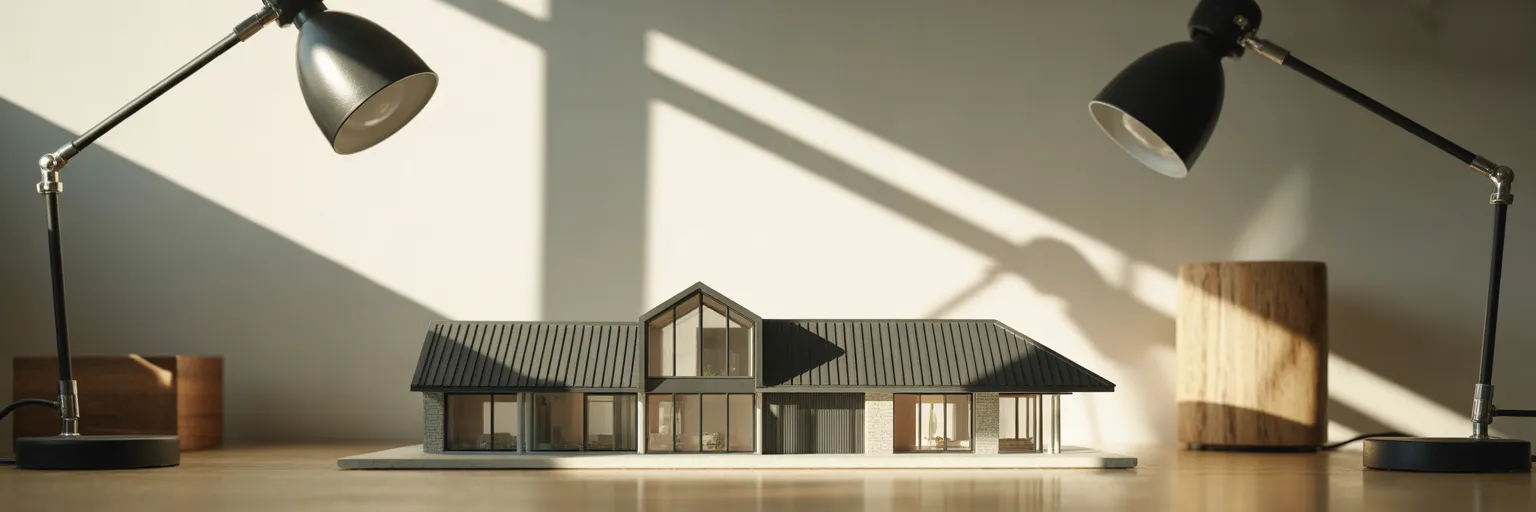
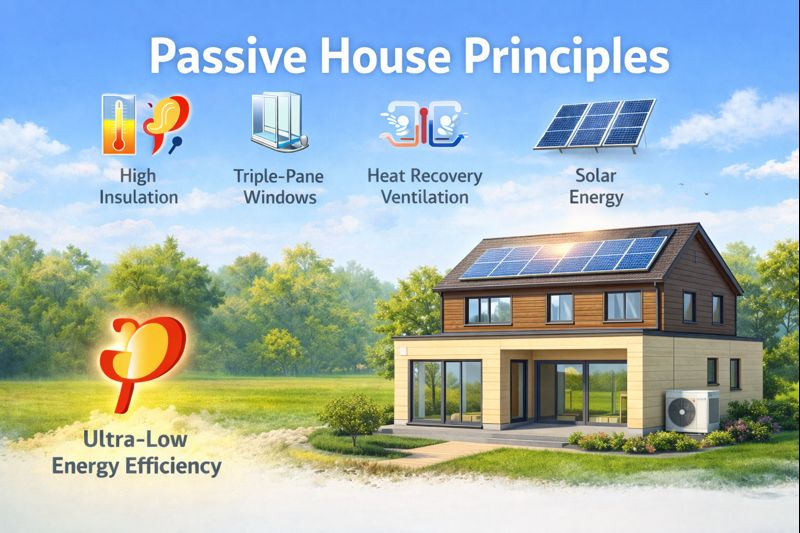
A house designed to withstand nature is often naturally more comfortable and efficient to live in. This is where passive design principles come into play. In simple terms, it means using the environment to your advantage. By orienting a house to catch the winter sun while being shaded from the intense summer heat, you can significantly reduce the need for heaters and air conditioning. This creates genuine long term comfort in homes.
We like to use the analogy of a good chilly bin to explain how high performance insulation and proper ventilation work together. They create a stable and healthy indoor temperature, no matter what the weather is doing outside. If you want the full picture of how those systems interact, see Understanding High-Performance Homes.
- Strategic Orientation: Maximising sun in winter and shade in summer.
- High Performance Insulation: Wrapping the home in a continuous thermal layer.
- Airtight Construction: Preventing drafts and heat loss.
- Quality Windows: Using double or triple glazing to maintain internal temperatures.
- Controlled Ventilation: Ensuring fresh air without losing warmth.
Achieving this level of comfort is not an afterthought. It is a direct result of smart, resilient thinking, which is central to our high performance design philosophy.
Future Proofing Your Home's Systems
True resilience also means creating a home that is less dependent on public utilities. Planning for technologies that are becoming more common is a key part of future proofing your home, NZ style. This is about making intelligent, forward thinking choices during the design phase that add significant long term value and adaptability.
A few key strategies include:
- Designing 'solar ready' roof spaces to easily accommodate panels in the future.
- Ensuring a garage or carport can have an electric vehicle charger installed without major rewiring.
- Incorporating rainwater collection tanks for a backup water supply for your garden or toilets.
These decisions give you more independence and ensure your home can adapt as technology and your needs change over time. If you have questions about how to incorporate these ideas into your project, we would be happy to discuss them. Feel free to get in touch with us.