
Smart Living in Your Bespoke Home
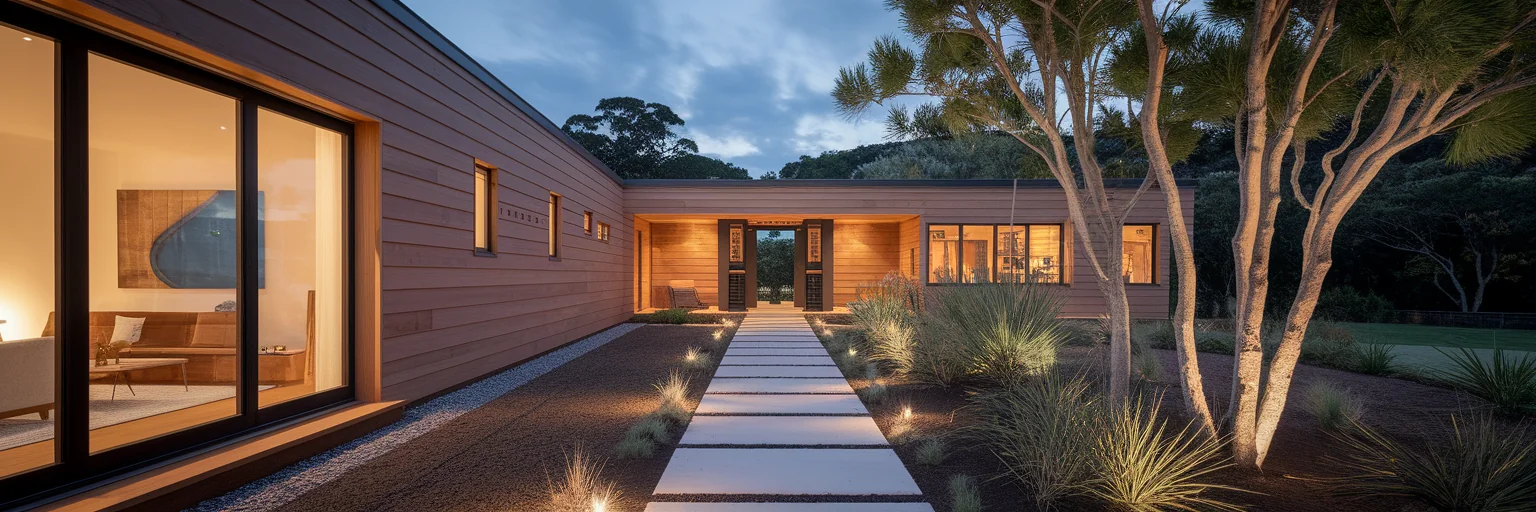
The idea of a smart home used to bring to mind clunky gadgets and blinking lights. Today, it is about something far more subtle. For a bespoke New Zealand residence, the goal is to weave technology into the home's character rather than add it on top. True bespoke home technology creates an environment that feels intuitive and personal, improving comfort, security and convenience without becoming visually intrusive.
For an overview of the architectural decisions involved, see our designer's guide to smart home integration in New Zealand.
Planning for Seamless Integration
Early planning helps avoid visible cabling, awkward control locations and technology that feels retrofitted. The ideal time to incorporate smart systems is during design, when wiring, network infrastructure, control hubs, automated blinds and speakers can be coordinated with walls and joinery. Through our design process, these requirements can be considered alongside the architecture rather than after it.
Choosing Features for Your Lifestyle

The value of a smart home is not in having every feature available. It is in choosing systems that genuinely fit the way you live.
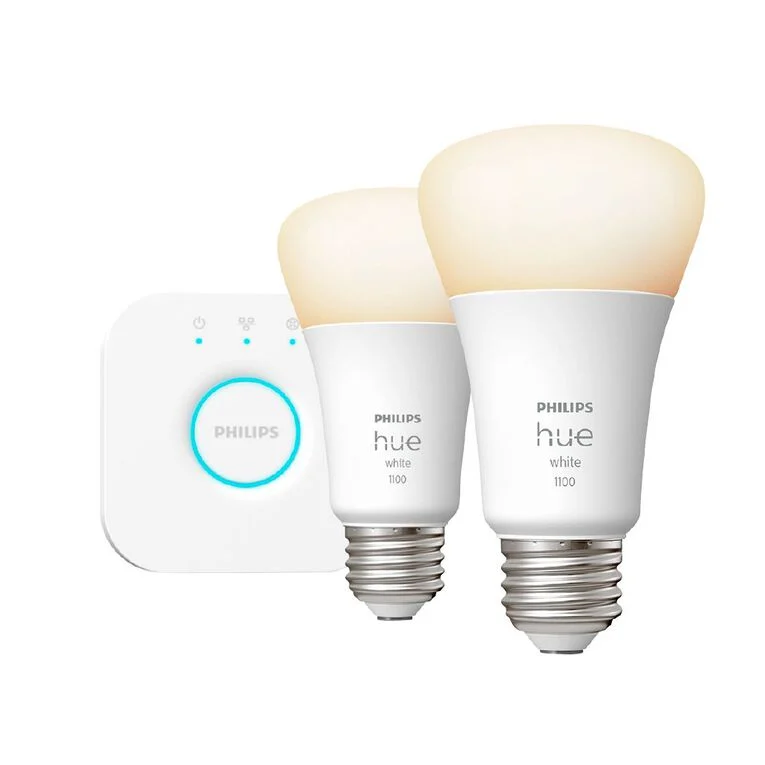
- Smart lighting: Automated scenes can support different activities, highlight architectural details and improve security.
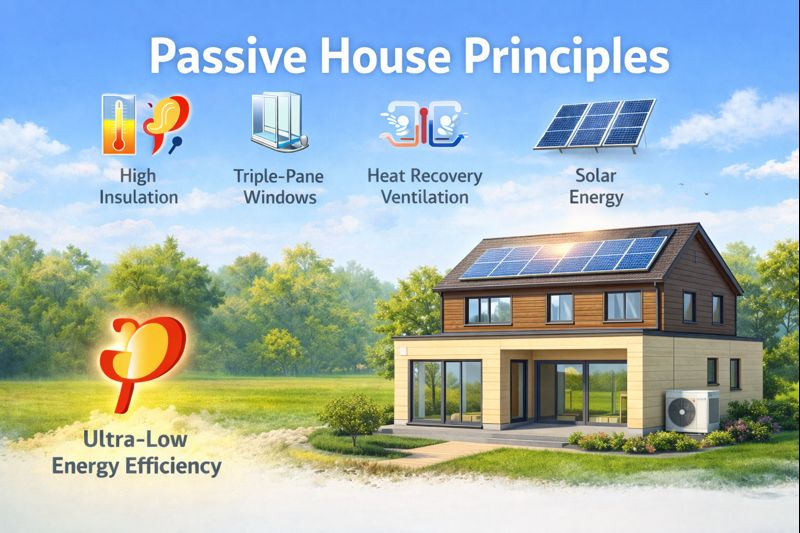
- Climate control: Controls can help heating and cooling respond to occupancy and routines, but they work best when the underlying home is well designed. Our guide to high-performance homes explains the building fundamentals that should come first.
- Integrated security: Smart locks, cameras and sensors can allow owners to check on a home remotely.
- Entertainment: Multi-room audio and other systems can be discreetly coordinated with ceilings and cabinetry.
Blending Technology with Your Design
A bespoke home should feel cohesive. Smart technology should complement rather than compete with the architecture. Automated blinds can disappear into window details, speakers can be coordinated with ceilings and control panels can be positioned deliberately.
The same restraint applies to finishes. Technology should sit comfortably within the home's material palette rather than creating unnecessary visual noise.
Future-Proofing Your Smart Home

Technology changes quickly, so infrastructure matters as much as the devices installed on day one. A robust home network, accessible cabling routes and systems that can be expanded or replaced can make future changes easier.
For a simpler introduction to the topic and how smart-home adoption has evolved, our earlier article The Smart Home Revolution: Is New Zealand Ready? provides useful background.
Technology Should Support the Architecture
The best result is not a house dominated by technology. It is a home where useful systems quietly support comfort, security and everyday routines. Those systems can complement passive design, but should not be treated as a substitute for orientation, insulation, glazing and ventilation.
If smart-home infrastructure is part of your new-build brief, talk to Modal about your project.