
The Foundation of a Cohesive Design
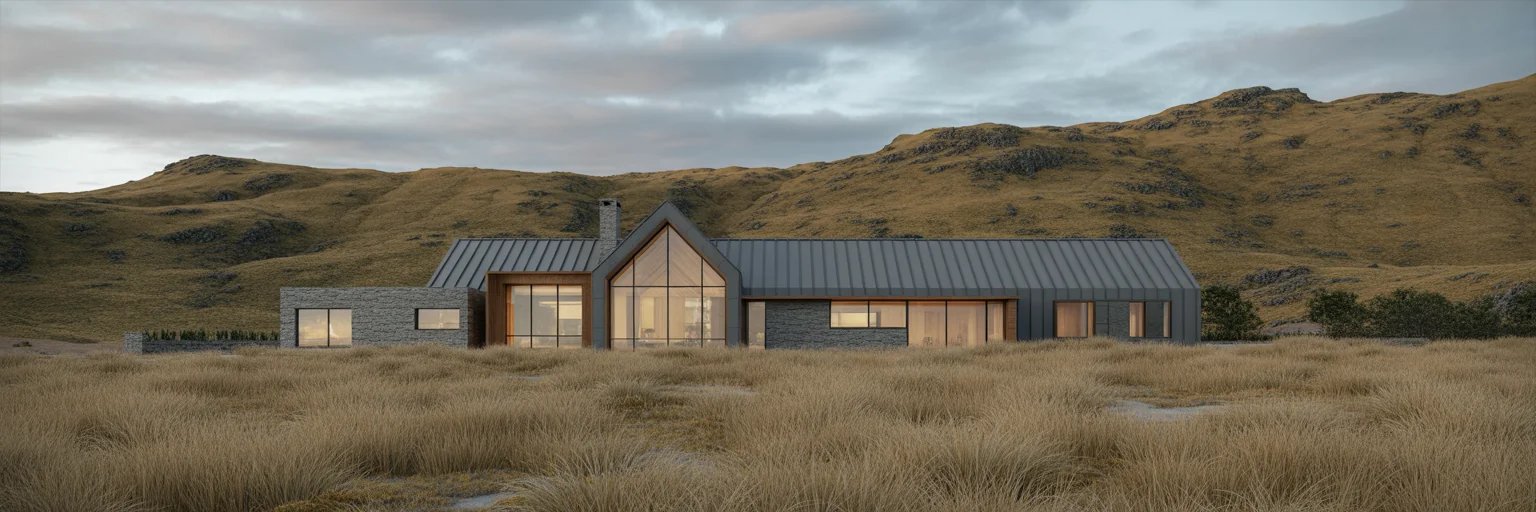
We all instinctively understand that our homes should feel like a retreat. This feeling often begins with a design philosophy centred on restraint. Choosing fewer materials is not about creating a stark or empty space. Instead, it is a deliberate decision to prioritise the quality of materials over their quantity.
Picture a home where materials are carefully selected and repeated. This creates unity from room to room and gives individual materials enough space to be appreciated. The same thinking is explored from a durability and provenance perspective in How Natural Materials Shape Enduring Kiwi Homes.
Creating Visual Calm and Seamless Flow
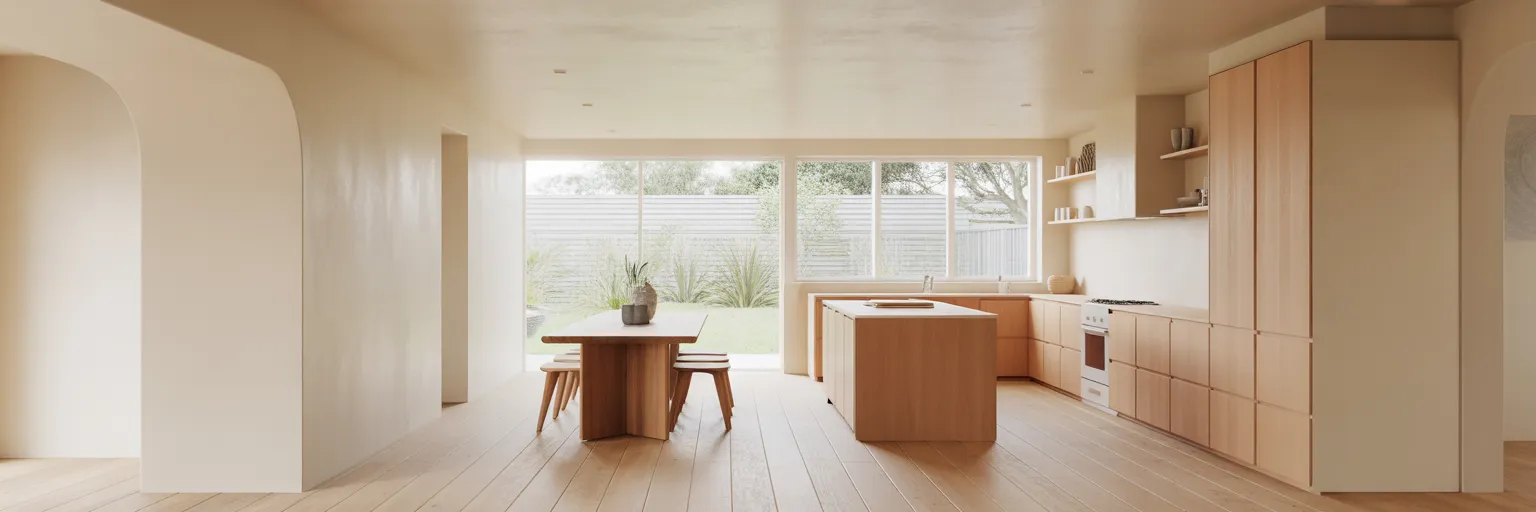
A limited material palette can make a home feel more visually settled. Repeating the same timber flooring through the kitchen, dining and living spaces, for example, removes unnecessary visual breaks and can make the plan feel more connected.
With a quieter backdrop, architectural features and the quality of natural light become more prominent. Material continuity can also strengthen the relationship between spaces, complementing the principles in our guide to seamless indoor-outdoor living.
The Importance of Tactile Comfort
Beyond what we see, a home’s atmosphere is shaped by what we touch. When fewer materials are used, texture becomes more important. The grain of timber, the coolness of stone or concrete, and the softness of wool or fabric can create richness without requiring a large number of finishes.
This is where apparently simple decisions become architectural ones. Thoughtful design details determine how materials meet, where they change and which elements are allowed to stand out.
Designing a Timeless and Personal Home
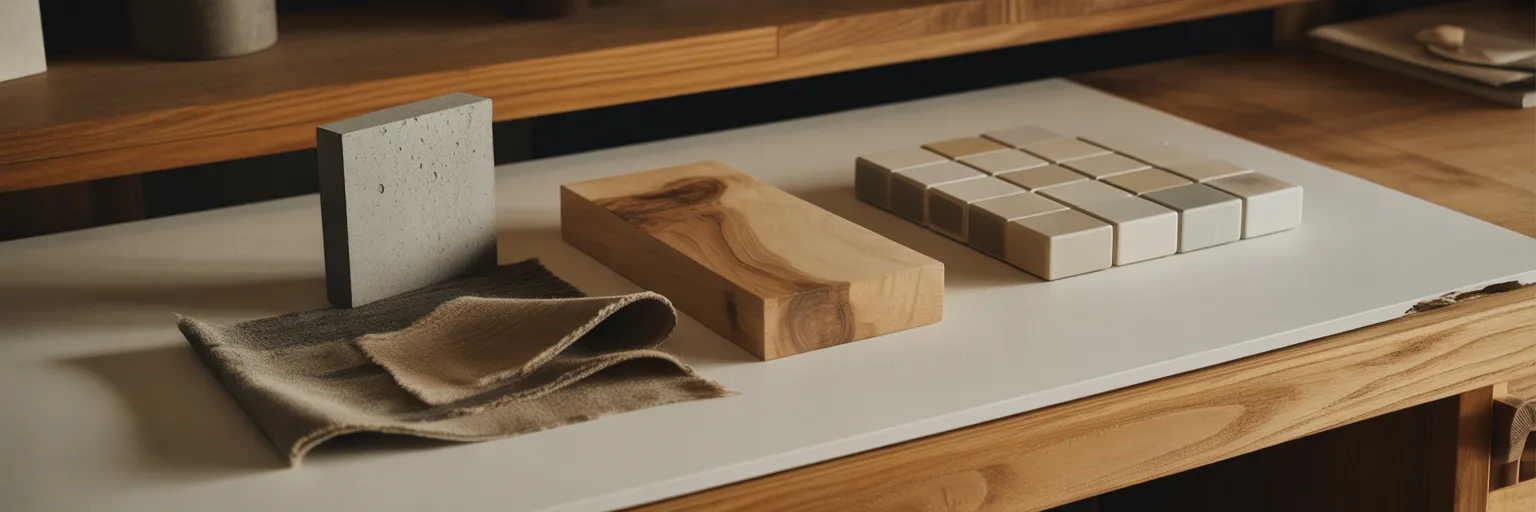
A restrained approach can also support a more enduring home. Materials such as timber, stone and concrete can age with the building rather than relying on short-lived decorative trends. That relationship between material durability, maintenance and longevity is part of designing a Kiwi home that lasts.
A quiet architectural backdrop also gives furniture, art and personal objects room to change over time without requiring the house itself to be continually redesigned.
Practical Ways to Simplify Your Materials
When planning a renovation or new home, a few practical steps can keep the material palette coherent:
- Choose one or two principal materials that can recur through several spaces.
- Review physical samples together and in the light conditions expected in the finished home.
- Use changes in texture, grain and tone to create depth without introducing unnecessary finishes.
- Consider durability and maintenance alongside appearance, particularly for exterior materials and exposed sites.
If you would like professional guidance developing a material palette as part of your project, you can book a meeting with us.