
The Growing Appeal of Homes for Multiple Generations
For generations, Kiwi families have shared homes, but what was once a cultural norm is now becoming a sharp financial strategy. The high cost of housing, especially in centres like Auckland and Wellington, is a primary driver for whānau pooling their resources. This shift isn't just about making ends meet. It's a conscious choice that brings families closer, offering practical benefits like shared childcare and the ability to care for elderly parents at home, a value deeply held in many Kiwi and Pasifika households.
From an investment standpoint, these properties are increasingly attractive. They can generate stronger rental yields and provide a more secure income stream compared to single family dwellings. The demand for multi generational homes is rooted in both economic reality and a desire for community connection. For the design side of that equation, our guide to creating a legacy home for the whole whānau looks at how privacy, shared spaces and flexibility can work together.
Smart Design for Shared Living
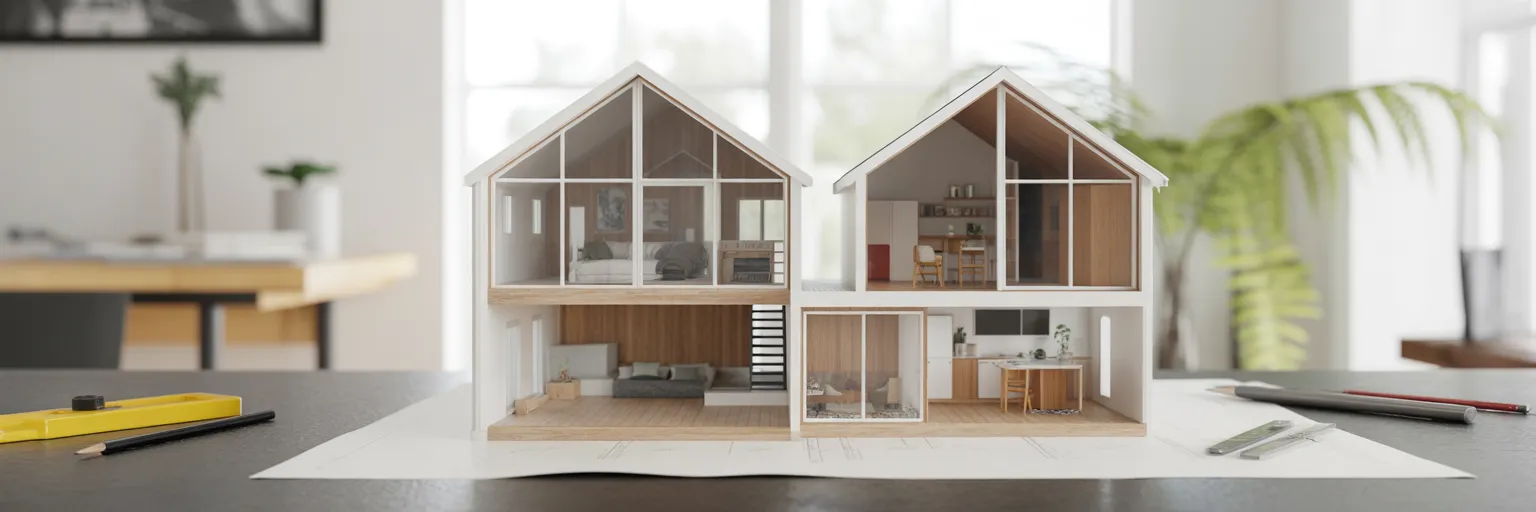
With the reasons for shared living clear, the focus shifts to how to make it work successfully. The key lies in thoughtful architectural design that balances togetherness with independence. A home built for multiple generations must be more than just a large house. It needs flexible layouts that allow different family units to live comfortably under one roof without stepping on each other's toes. We see this work best when specific features are integrated from the start.
Consider these elements when designing a house for extended family:
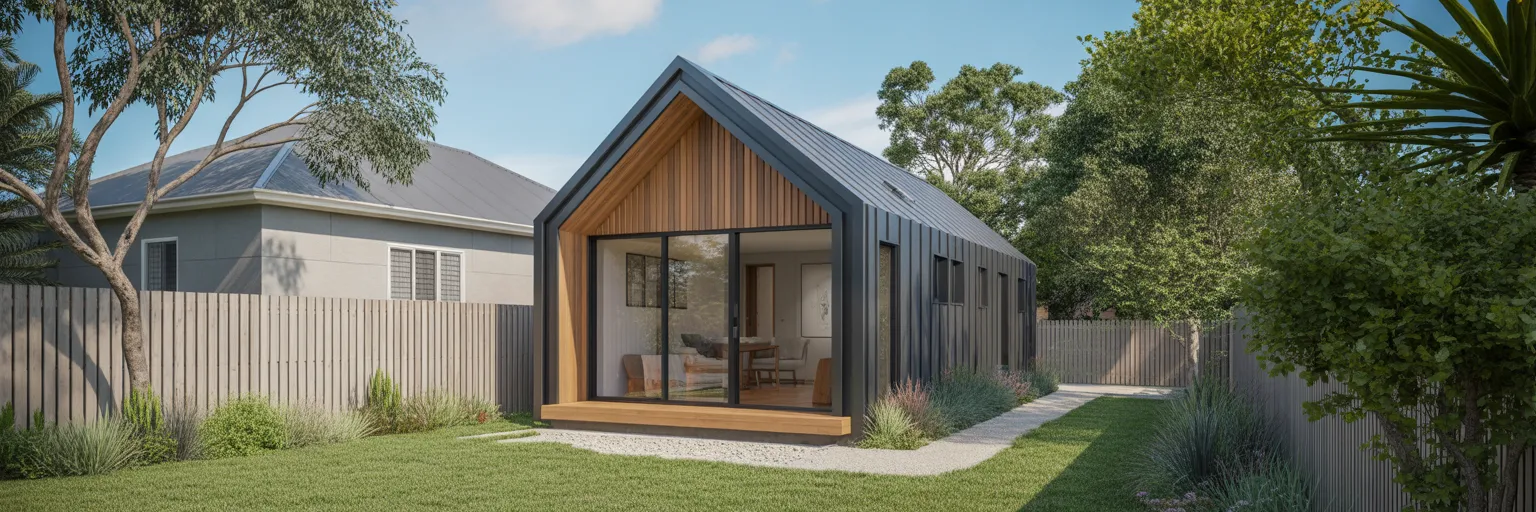
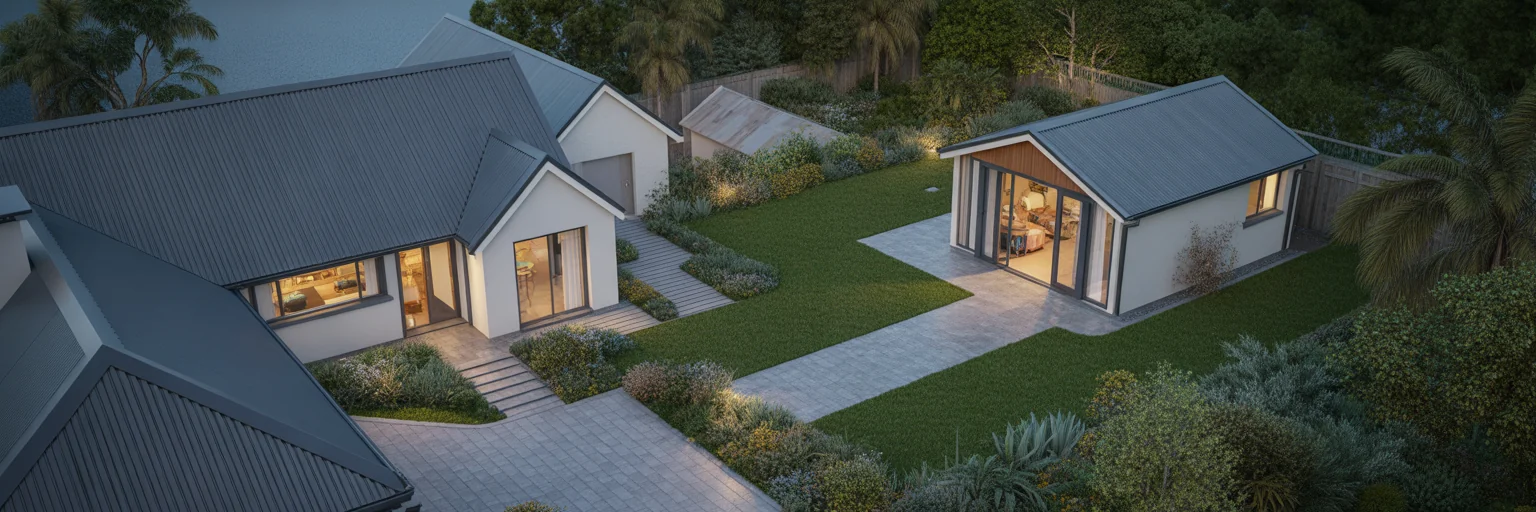
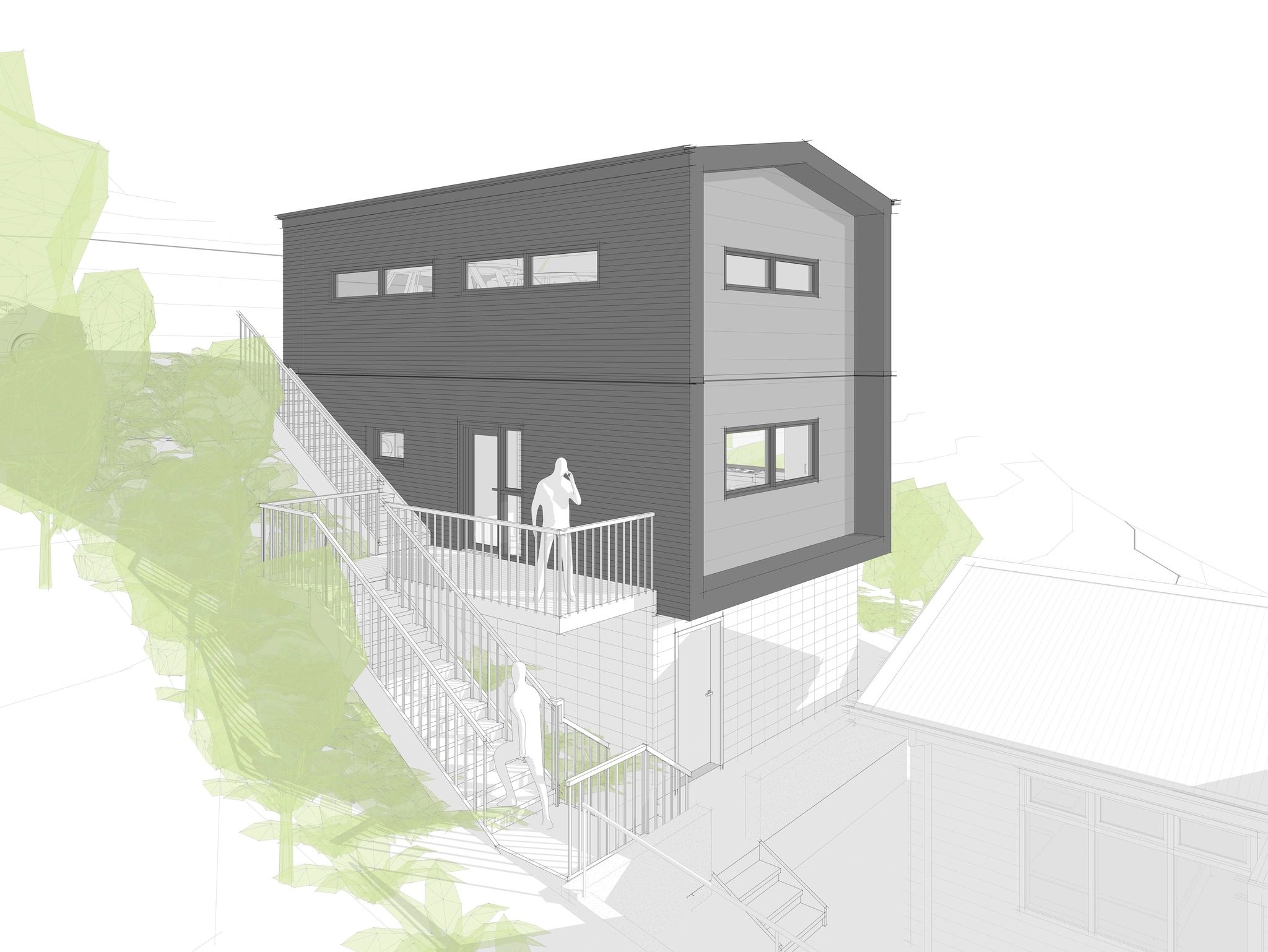
- Self contained units or suites with their own access, which you can explore further in our services for infill dwellings.
- Kitchenettes or secondary living areas to reduce pressure on the main shared spaces.
- Clever zoning that creates distinct wings or levels for different family members.
Privacy is just as important as shared space. You can feel the difference in a home with effective soundproofing between zones. It’s the quiet assurance that you won’t hear every footstep from the flat above. Creating separate outdoor areas, like private decks or small patios, also gives everyone a space to retreat and recharge. Furthermore, future proofing the design adds significant long term value to your property investment in New Zealand. Incorporating features like level entry showers and wider doorways not only supports aging in place but also broadens the property's appeal. For households spread across separate dwellings on one site, site planning for a second dwelling becomes just as important as the floor plan itself.
Understanding the Long Term Market
An investment is only as good as its long term demand. Fortunately, the case for multi generational homes is supported by clear demographic trends across New Zealand. Our aging population and the economic pressures keeping younger Kiwis at home for longer create a sustained need for this type of housing. This isn't a fleeting trend. It's a response to fundamental social and economic shifts that are here to stay.
Local council planning changes are also creating new possibilities. The push for greater housing density in our cities simplifies the process for building a minor dwelling on an existing section. This makes developing home and income properties more feasible than ever before. As research from Stats NZ shows, household compositions are changing, and the market is adapting. For a more practical overview of the housing type itself, see our guide to infill dwellings in New Zealand.
If you're ready to explore the possibilities for your own project, you can book a meeting with us to discuss your ideas.