Why Your Building Contract Matters
In New Zealand, for most building projects, a written contract is not just a good idea, it is a legal requirement. The Ministry of Business, Innovation and Employment (MBIE) recognises this document as a vital consumer protection tool. It is easy to view a contract as just another pile of paperwork, but its real job is to act as a single source of truth for everyone involved.
This document protects both you and your builder by setting clear expectations before the first bit of ground is broken. It lays out the entire journey, from the initial architectural design through all the stages of a building project to the final handover, ensuring there are no surprises along the way. Think of it as the blueprint for the project itself, not just for the house.
The Core Parts of Your Agreement

A building contract can feel dense, but it is really just a collection of clear agreements. Let's break down the main parts you will find inside.
First is the Scope of Work. This is not a vague summary. It is a precise description of exactly what will be built, referencing the detailed plans and specifications. This level of detail, often stemming from the architectural design phase, ensures there is no confusion about what is included and what is not.
Next are the financials. Your agreement will specify either a ‘fixed price’, where the total cost is set upfront, or a ‘cost plus’ arrangement, where you pay for the actual cost of labour and materials plus a margin. The contract must also include a payment schedule, with payments tied to specific project milestones rather than arbitrary dates.
Finally, the contract outlines the project timeline. This includes a start date, an estimated completion date, and a clear process for how any changes or variations are handled. For residential projects, having the designer on-hand during construction is invaluable. Once a house is opened up, or construction has started, small changes to the design may be required. For example, the framing condition may be worse than expected and need to be replaced, or once you're in the space you may want to add a couple of extras while you're there. These changes often require additional council engagement and sign-off, which your designer can facilitate for you.
Modal architecture offer site observations which mean they are available to support minor changes as the project progresses. Our clients who sign up for this service immediately benefit from a smoother experience. Builders can reach out to the architectural designer directly for small enquiries to larger changes without having to get written approval from the client first. We highly recommend our clients pursue site observations for their construction projects.
How the Contact Protects You
Beyond just outlining the work, your contract is packed with safeguards designed to protect you. These are not optional extras, they are built into residential building contracts by law. Before you even sign, your builder must provide you with a disclosure statement and a standard home building contract checklist.
As highlighted by building.govt.nz, this checklist gives you a clear summary of your rights and the builder's details, so you can make an informed decision. The contract also provides clear pathways for what happens if work does not meet the agreed standards. The Building (Residential Consumer Rights and Remedies) Regulations 2014 ensures there are implied warranties in your contract, giving you leverage to get things fixed.
And if a disagreement does arise? The contract must specify a dispute resolution process. This usually starts with mediation, offering a structured, fair way to resolve issues without immediately heading to court.
Clearing Up Common Cost and Timeline Questions
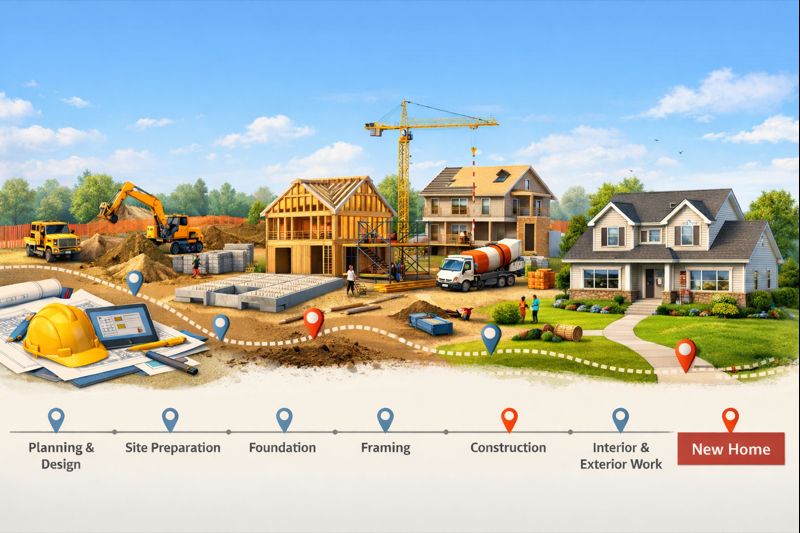
We can all picture that feeling of watching a budget or timeline stretch. Your contract is designed to manage these two biggest sources of anxiety: money and time. Here is what you need to look for.
- Project Timelines: Your contract must have clear start and end dates. It should also explain what happens if there are delays. Some contracts include ‘liquidated damages’, a pre-agreed sum the builder pays you for each day the project is late without a valid reason, like severe weather.
- Understanding Building Costs: The contract clarifies if you have a ‘fixed price’ or ‘cost plus’ agreement. For true clarity, always ask for a full cost breakdown. This helps you see exactly where your money is going and avoids surprise fees. Managing project finances is a significant task, and some homeowners explore options like specialised construction loans to ensure consistent cash flow.
- Progress Payments and Retentions: You will not pay for everything at once. Payments are made in stages as work is completed. A ‘retention sum’, typically a small percentage of each payment, is held back. This money is released to the builder only after they have fixed any defects found at the end of the job, giving them a clear incentive to finish everything perfectly.
These details can be complex, so if you need help making sense of your specific situation, we encourage you to book a meeting with us.
Understanding Everyone's Responsibilities
A successful building project is not just about concrete and timber, it is about collaboration. The contract clarifies that this is a two way street, with clear duties for everyone involved. Key builder responsibilities include holding the correct licence for the work, carrying appropriate insurance, and ensuring everything complies with the New Zealand Building Code. They are professionally obligated to build what was agreed upon, to a competent standard.
Your role is just as important. Your obligations typically include providing clear access to the site and, crucially, making payments on time as per the agreed schedule. Delays in payment can cause significant disruptions to the project's flow.
Ultimately, open communication is a shared responsibility. The contract establishes a formal framework for this, ensuring the project stays on track whether it is a major renovation or one of our custom new build homes. As building.govt.nz explains, understanding your rights and obligations before work starts is fundamental to a smooth process.