Embracing the Charm of Older Kiwi Homes
There is a special connection Kiwis have with classic homes like villas and bungalows. We love the solid native timber floors, high stud ceilings and detailed craftsmanship. But many older homes also come with winter chill, draughts, condensation and high heating costs.
Improving comfort does not have to mean erasing the character that made you choose the home in the first place. For homeowners weighing up the scale of work, our guide to whether to renovate, buy or build is a useful starting point before committing to a major project.
Working with Nature for a Warmer Home
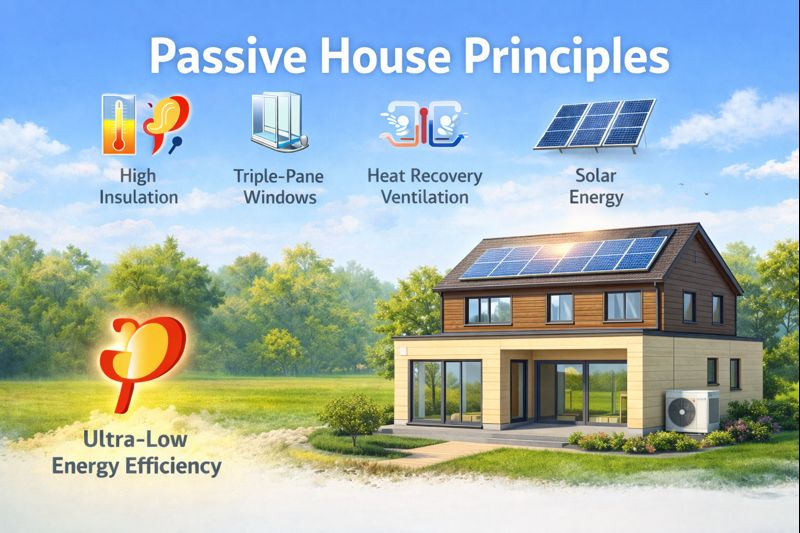
Before relying on active heating, it makes sense to use the free energy available from the sun and natural ventilation. This is the core idea behind passive design. North-facing glazing can capture winter sun, while correctly designed shading can reduce summer overheating.
Natural ventilation and a breathable indoor environment are just as important. The goal is not simply to seal an old house, but to understand how insulation, airtightness, moisture and ventilation work together.
Wrapping Your Home in a Cosy Blanket
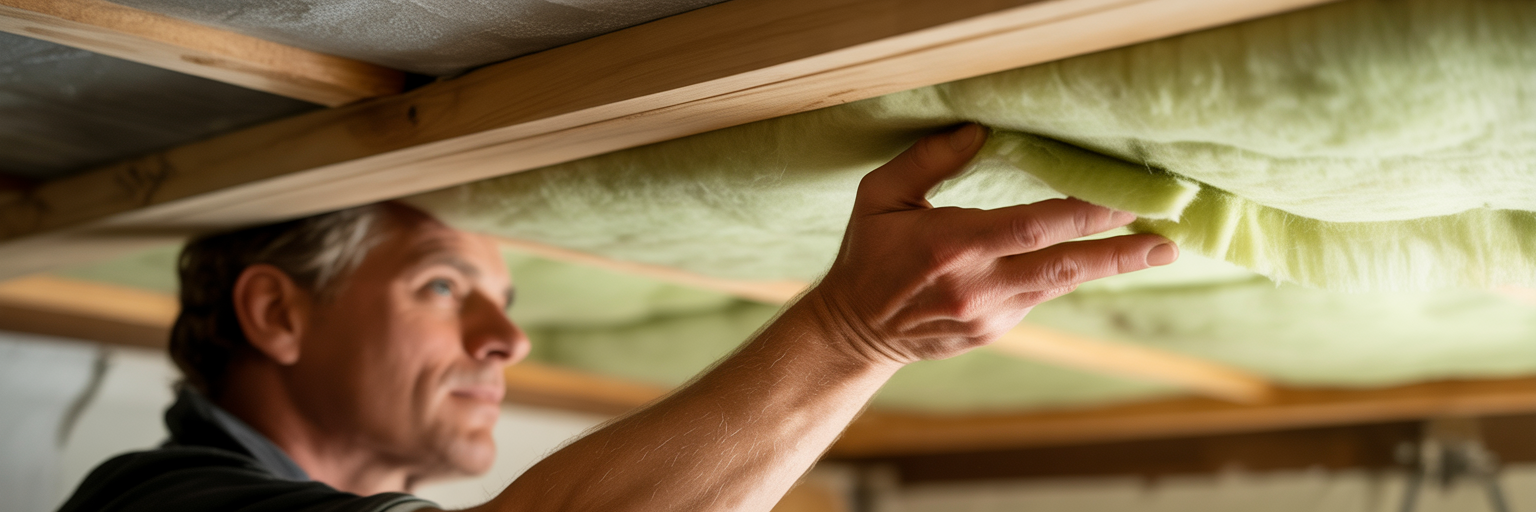
Once you have made the most of natural energy, the next step is to retain warmth. Insulation creates a thermal barrier that slows heat loss and can make a major difference to comfort.
- Ceiling insulation: often one of the most effective places to begin because warm air rises.
- Underfloor insulation: particularly relevant to older suspended timber floors.
- Wall insulation: more involved, but worth considering when walls are already being opened as part of a substantial renovation.
Draught proofing around windows, doors and other gaps can complement insulation. During larger work, the opportunity is to treat these improvements as part of a coordinated architectural renovation rather than a collection of isolated upgrades.
Smart Choices for Heating and Hot Water
Even a well insulated home will generally need an active heating source through winter. Heat pumps can provide efficient heating and cooling, while hot-water upgrades and better controls can reduce unnecessary energy use.
The best system depends on the house, occupancy and the improvements being made to the building envelope. That is why services and envelope upgrades are most useful when considered together rather than specified independently.
Better Windows and Doors for Year-Round Comfort

Single glazing can be a major source of heat loss and can contribute to cold internal surface temperatures and condensation. Depending on the existing joinery and heritage value, options can include retrofitting double glazing into existing frames or replacing windows as part of a larger renovation.
Window performance is only part of the picture. Installation, airtightness, shading, orientation and the surrounding wall construction all influence the result. These are also examples of why thoughtful architectural details matter to everyday comfort.
Creating Your Long-Term Comfort Plan
Achieving lasting comfort in an older home is rarely about one single fix. The strongest approach considers passive design, insulation, moisture, ventilation, glazing and heating as a connected system.
For substantial work, the regulatory implications should also be identified early. Our building consent guide explains when renovation work may require council approval and why coordinated documentation matters.
A professional assessment can help prioritise the work so investment goes where it will have the greatest effect while retaining the qualities that make the existing house worth keeping. When you are ready to start that conversation, you can book a meeting with us.