.jpeg)
What's Actually Changing, and What It Means for Your Auckland Property
If you've been following Auckland's planning landscape, you'll have heard about Plan Change 120 (PC120). PC120 is a proposed change to the Auckland Unitary Plan that affects the planning framework for housing intensification and resilience across Auckland.
For homeowners and developers, the important point is that the process remains relevant to decisions about renovations, new homes and secondary dwellings. The distinction between planning approval and Building Code approval is also important, which we explain in Resource Consent vs Building Consent NZ.
What Was PC120 Trying to Do?
Plan Change 120 arose from the wider national housing-intensification framework, including the National Policy Statement on Urban Development and Medium Density Residential Standards. For background on that national framework, see our article on the Medium Density Residential Standards in New Zealand.
The proposals have included changes to development capacity and planning controls across parts of Auckland. For individual properties, however, development potential depends on the rules and constraints applying to the particular site rather than a city-wide headline.
Why PC120 Still Matters to Auckland Projects
While the process has changed over time, PC120 remains relevant because Auckland's planning framework is still being worked through. Properties near rapid transit, centres and areas identified for intensification can face different opportunities and constraints from other suburban sites.
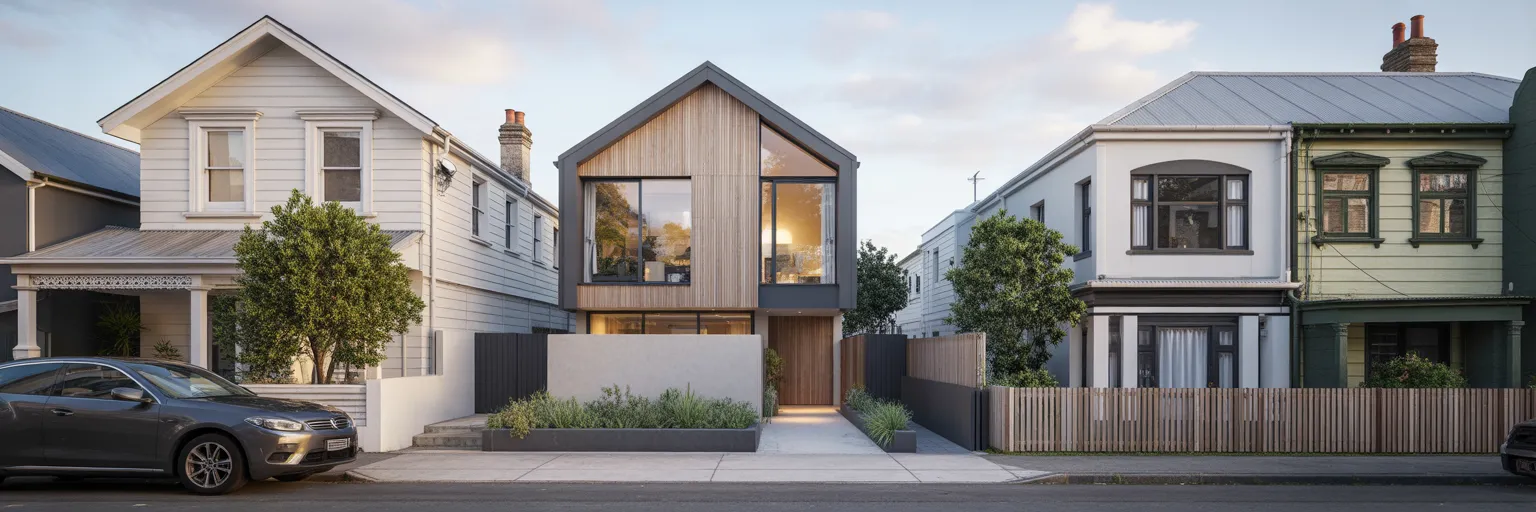
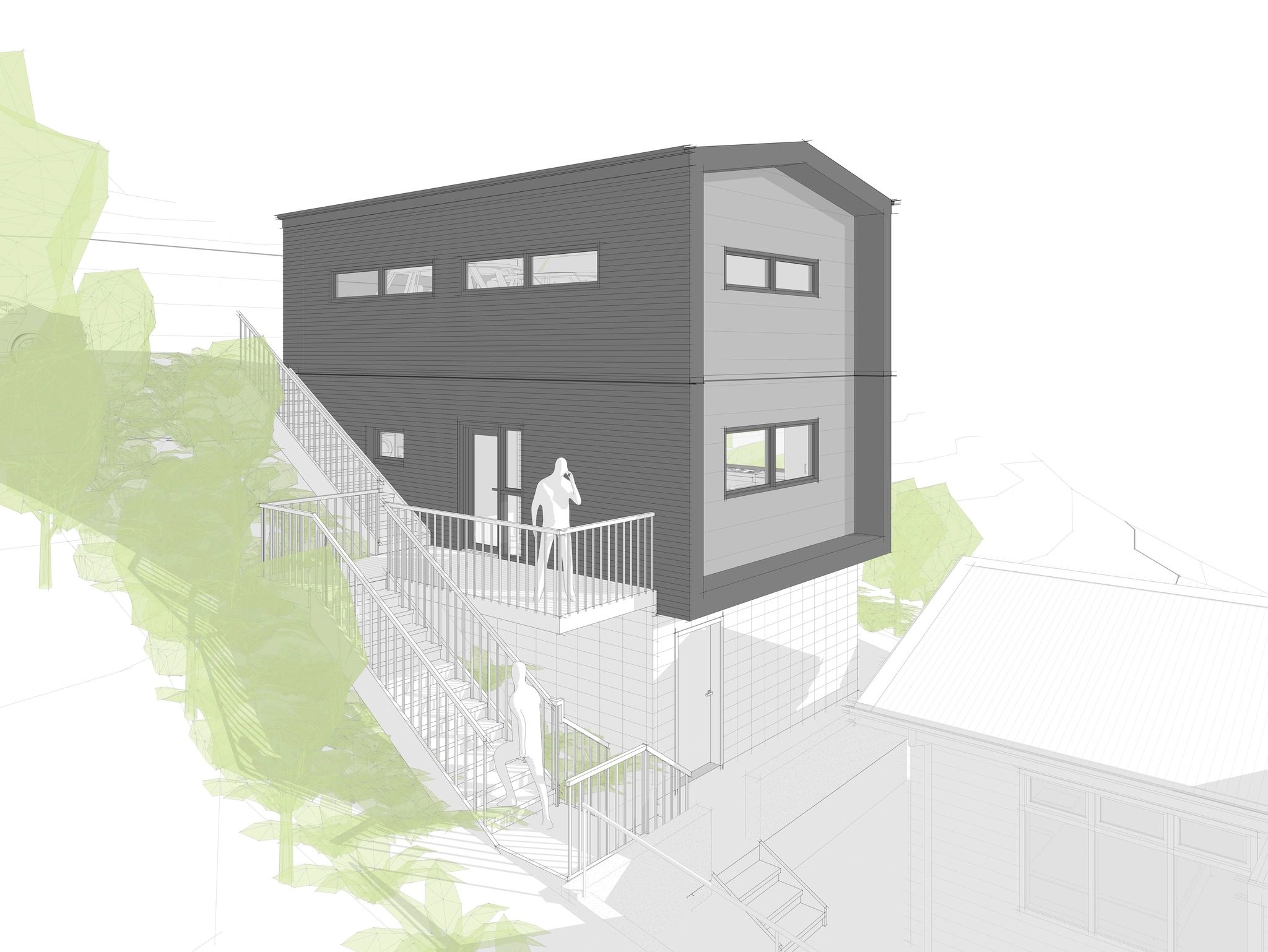
For infill projects, increased theoretical capacity does not remove the architectural challenges of fitting additional homes around access, privacy, services, sunlight and useful outdoor space. Thoughtful infill housing and site planning for a second dwelling explore those design questions in more detail.

Natural Hazards and Site Constraints
Density is only one part of the planning picture. Flooding, coastal hazards, slope, infrastructure and other site constraints can materially affect what is appropriate or achievable. Our guide to designing flood-resilient homes looks at how natural-hazard information can influence architectural decisions.
What Should You Do Now?
If you're actively planning an Auckland project, establish what the current Auckland Unitary Plan allows on your property and identify how any unresolved planning changes could affect the project. Do not assume proposed additional capacity is available until the applicable provisions are operative and confirmed for the site.
For owners considering more intensive use of an existing property, our guide to New Zealand infill dwellings provides a broader starting point for understanding the design and development process.
Modal Architecture works with homeowners and developers across Auckland on renovations, new homes, infill dwellings and residential developments. If you want to understand how the planning framework may affect a specific property, get in touch.
Planning note: PC120 is an evolving statutory process. Always confirm the current operative and proposed planning provisions applying to a property before relying on them for a project decision.