Embracing Sustainability in Your Whare
Our connection to the stunning landscapes of Aotearoa is part of what makes us Kiwi. Bringing that same sense of care into our homes is a natural next step. Sustainable living isn’t about complicated rules or expensive overhauls. It’s about making practical choices that protect our natural heritage for the generations to come. Thinking about a more sustainable home is the first step towards creating a better one, and we believe that journey should be an empowering one.
The benefits are tangible and immediate. You’ll see real savings on your power bills and create a healthier indoor space for your whānau to thrive in. More than that, there is a quiet satisfaction in knowing you are doing your part. This is a path made of many small, manageable steps, not a giant leap. It starts with simple decisions that together build a warmer, drier, and more thoughtful home.
Making Your Home Energy Smart
A significant part of a home's footprint comes from its energy use, but getting smart about it doesn't have to be difficult. There are straightforward tips on how to save energy at home in New Zealand, ranging from simple habits to long term investments. The goal is to keep your home comfortable without wasting power or money.
Insulation: Your First Line of Defence
Think of good insulation as a thermos for your house. Properly installed ceiling and underfloor insulation traps warmth during winter and keeps the heat out in summer. This single improvement makes the biggest difference to your power bills and comfort. When combined with double glazing, your home becomes a truly efficient space that requires far less energy to heat and cool. Creating these kinds of high performance living environments is about locking in comfort and locking out waste, and our guide to high-performance homes explains the wider design approach.
Low Cost Habits for Big Savings
Small changes in your daily routine can lead to noticeable savings. These habits cost little to nothing to adopt but make a real impact over time.
- Switch all your light bulbs to LEDs. They use a fraction of the power and last much longer.
- Unplug electronics when they are not in use. Many devices draw 'phantom power' even when turned off.
- Use timers on heaters to warm rooms only when you need them, and keep your thermostat set between 18-20°C for efficient heating.
Investing in Future Energy
For those looking further ahead, installing solar panels is a powerful step. While it is a bigger investment, it drastically reduces your reliance on the grid and can even earn you credits for the excess power you generate. It’s a long term commitment to energy independence.
Wise Water Use Around the House
In a country surrounded by water, it’s easy to forget that fresh, clean water is a precious resource. Incorporating smart water saving tips for your home is one of the simplest ways to live more sustainably. It starts with capturing what nature gives us for free. Installing a basic rain barrel connected to your roof’s downpipe provides a ready supply of water for your garden, which is especially useful during the dry summer months when water restrictions are common.
Inside, small changes can make a big difference. Modern low flow fixtures are engineered to reduce water consumption without you even noticing. An efficient showerhead or a simple aerator on your kitchen tap can cut your water use significantly while maintaining good pressure. These kinds of upgrades are often a core part of our home renovation projects because they offer both environmental and financial benefits. For those wanting to go a step further, greywater recycling systems can be considered. These systems capture used water from your laundry or shower and repurpose it for flushing toilets or watering ornamental gardens, making every drop count.
Choosing Materials That Matter
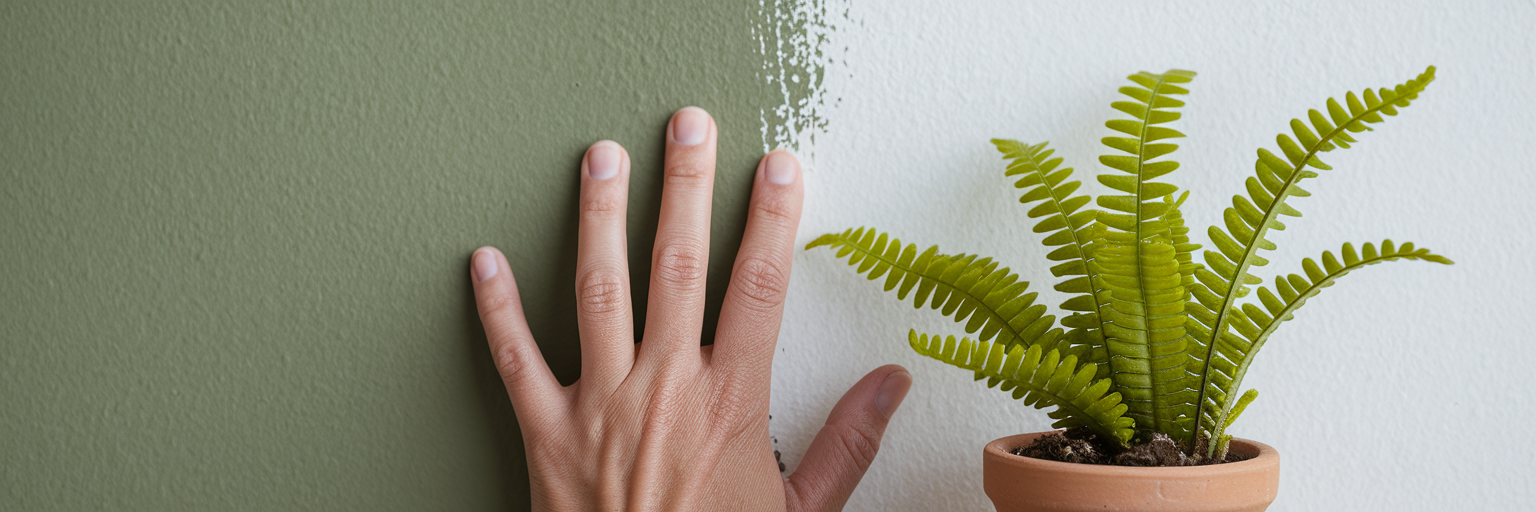
The materials used to build and furnish your home have a lasting impact on both the planet and your family’s health. Opting for eco friendly building materials is about making conscious choices that prioritise durability, sustainability, and wellbeing. Our article on natural materials and enduring Kiwi homes looks at how those choices can shape both character and longevity. Using reclaimed native timber for flooring or a feature wall, for example, not only adds unique character to a space but also diverts valuable resources from landfill. It gives beautiful materials a second life.
Just as important is the air you breathe inside. Many standard paints and finishes release Volatile Organic Compounds, or VOCs, which can affect indoor air quality and contribute to health issues like asthma. Choosing non toxic, low VOC paints creates a healthier environment for everyone. As the New Zealand Green Building Council highlights in resources like their Homestar design guide, healthier homes are built with better materials. Supporting local suppliers for materials like sustainably grown pine or New Zealand wool also reduces transport emissions and strengthens our own communities. These considerations are fundamental when planning new build homes from the ground up.
Note: This table compares common materials with more sustainable options available in New Zealand, focusing on their primary environmental or health advantage.
Your Garden as a Green Oasis
Your backyard can be more than just a patch of lawn. It can be a thriving ecosystem that supports local wildlife and reduces your environmental footprint. There are many simple sustainable garden ideas that work with our unique climate, not against it. Planting native species like harakeke, kōwhai, and hebes is a great start. Because they are adapted to local conditions, they require less water and maintenance. More importantly, they provide essential food and shelter for our native birds, bringing the sound of tūī and the sight of kererū to your doorstep.
Composting is another powerful tool. It turns your kitchen scraps and garden clippings into nutrient rich food for your soil, reducing the amount of waste sent to landfill. It’s a simple cycle of returning what you take from the earth. Finally, consider how your garden handles rain. Using permeable surfaces like gravel, wood chips, or specialised pavers for paths and driveways allows rainwater to soak naturally into the ground. This reduces runoff into our stormwater systems and helps replenish groundwater. The same water-management principles are important when designing a more flood-resilient home. A thoughtful garden design can beautifully connect your home with its natural surroundings.
Beyond the Four Walls: A Sustainable Lifestyle
A truly sustainable home is supported by the lifestyle lived within it. The thoughtful choices you make every day are what bring these eco friendly home ideas to life, extending your positive impact beyond your property line. Here are a few final sustainable living tips to consider.
- Support local. Buying produce from your local farmers' market or choosing products from Kiwi suppliers reduces 'food miles' and invests money back into your community.
- Reduce and reuse. Before buying new, explore your local op shops for furniture and decor. Giving a preloved item a new home is a creative way to reduce waste and find unique pieces with character.
- Make conscious choices. Ultimately, a sustainable home is the result of many small, deliberate decisions. Each choice, from the food you buy to the materials you use, adds up to create a significant positive impact.
If you are inspired to start your own journey toward a more sustainable home, we would love to hear about your ideas. Feel free to get in touch with us to discuss your project.