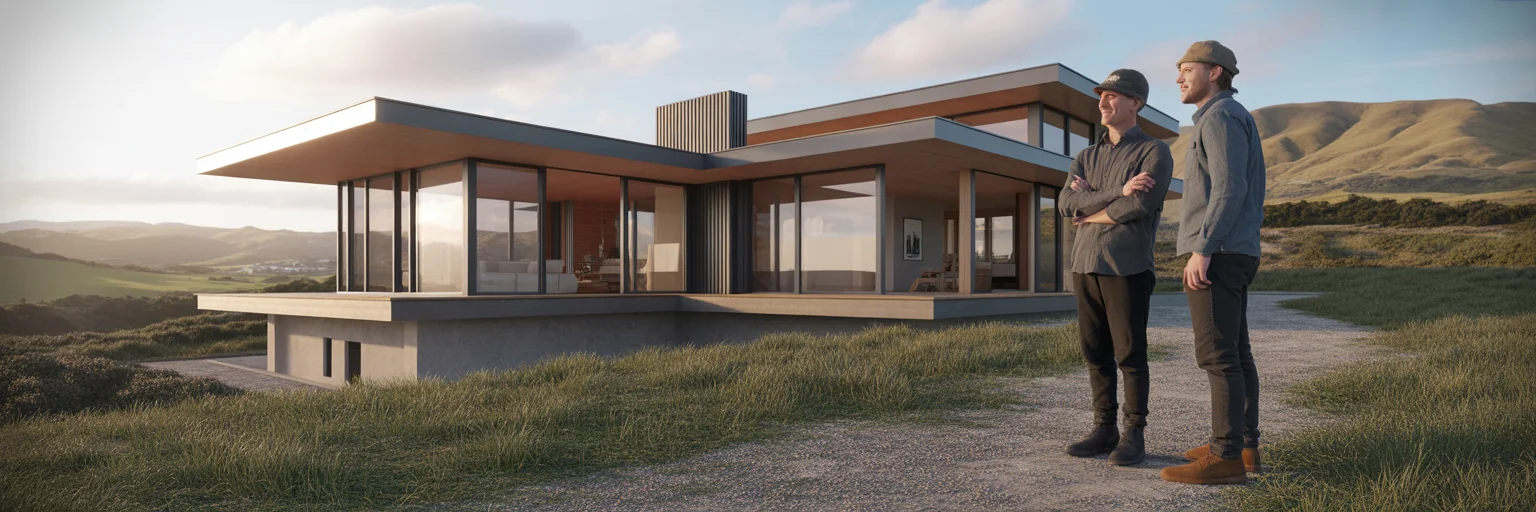

If you are a homeowner in New Zealand deciding whether to renovate, buy, or build new, the right answer depends on your existing property, budget, site, lifestyle and long-term plans. Each route has different opportunities and risks, so it helps to compare them before committing significant time or money.
Renovating Your Existing Home
Renovating can be a good way to retain the things you already value about a property while changing the spaces that no longer work. It can also bring uncertainty because existing buildings sometimes reveal conditions that were not obvious at the outset. For owners of villas, bungalows and other older houses, improving the comfort of a character home shows how thermal performance can be considered alongside architectural character.
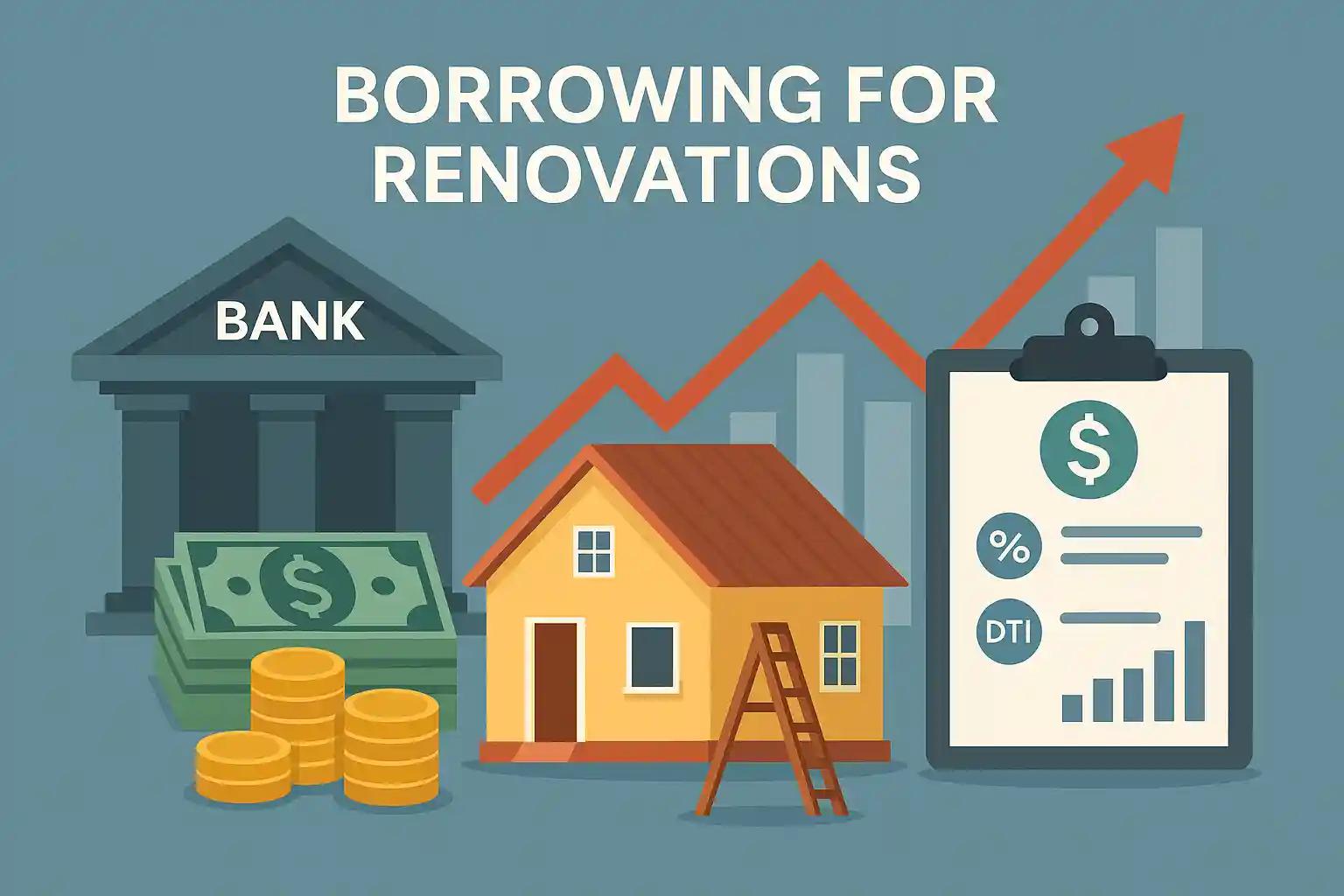
For Auckland homeowners, property values and borrowing capacity can add another layer to the decision. We discuss that relationship in New Auckland Valuations and Home Renovation.
Potential advantages of renovating:
- You can retain an established location, garden and neighbourhood.
- Existing character and useful parts of the building can be preserved.
- The work can be targeted towards the areas that matter most to your household.
Potential challenges:
- Existing conditions can introduce design and construction uncertainty.
- Large renovations can require substantial investment.
- Structural, moisture, services or compliance issues may only become fully understood as investigation progresses.
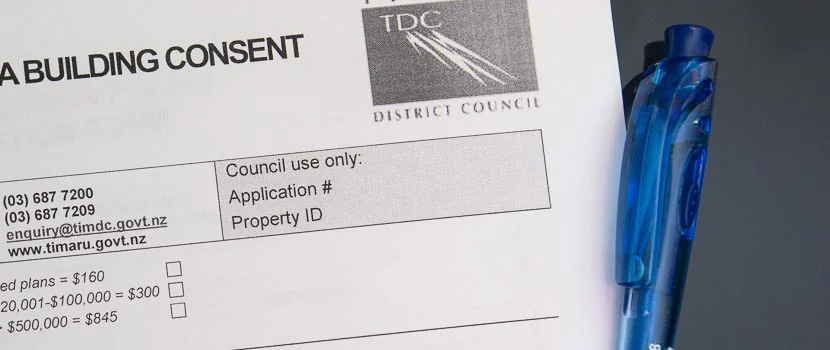
Before setting the scope, it is also worth understanding when renovation work needs building consent, as this can influence both programme and documentation.
Buying Another Home
Buying can make sense when another existing property already solves the problems you are trying to address. It may provide a faster route to a different location, more bedrooms or a more suitable section without taking on a major construction project.
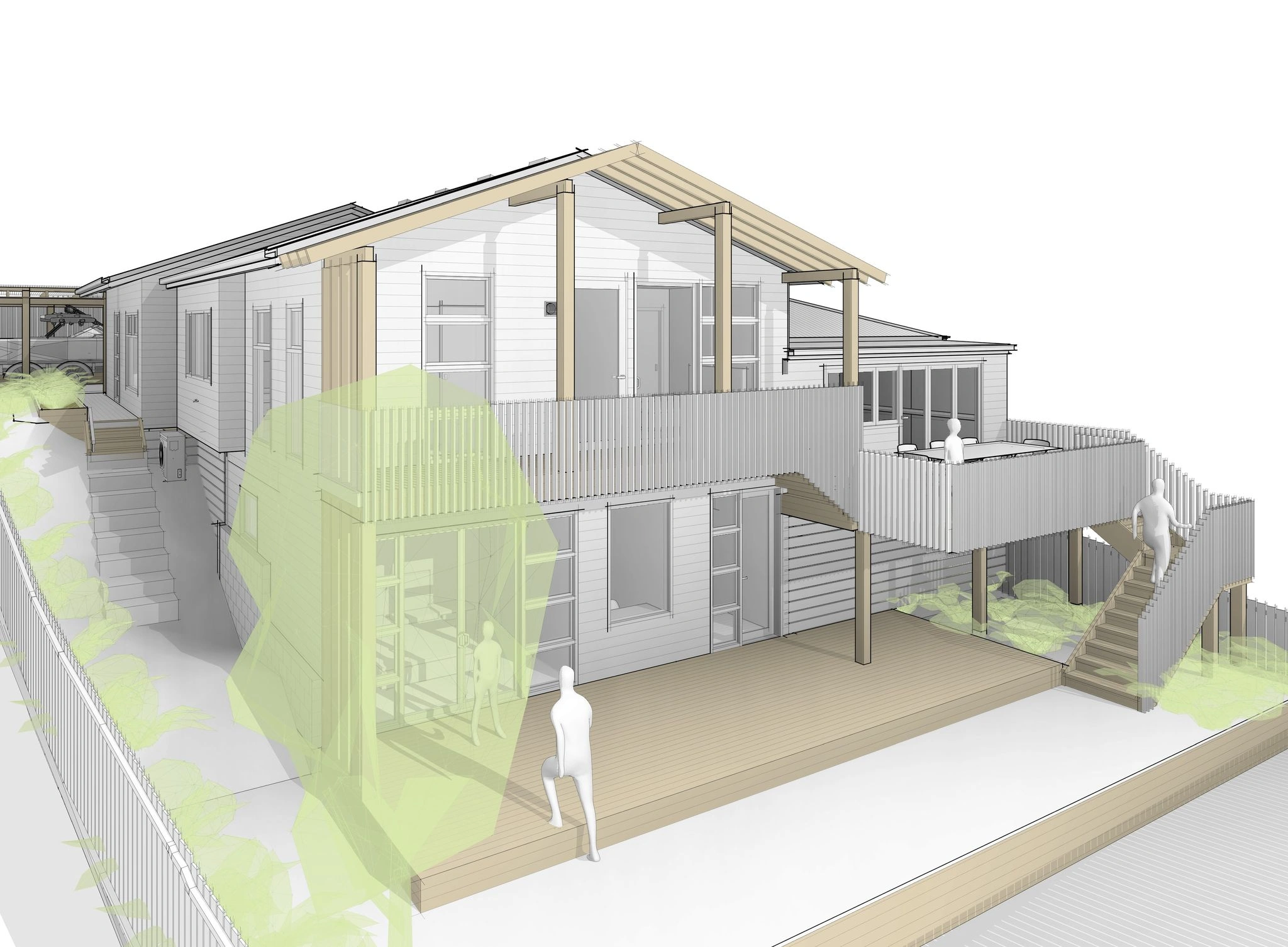
The trade-off is that an existing home was designed for somebody else's priorities. It is worth assessing not only purchase price but also the likely cost of future alterations, maintenance, thermal upgrades and any compromises that would remain.
Building a New Home
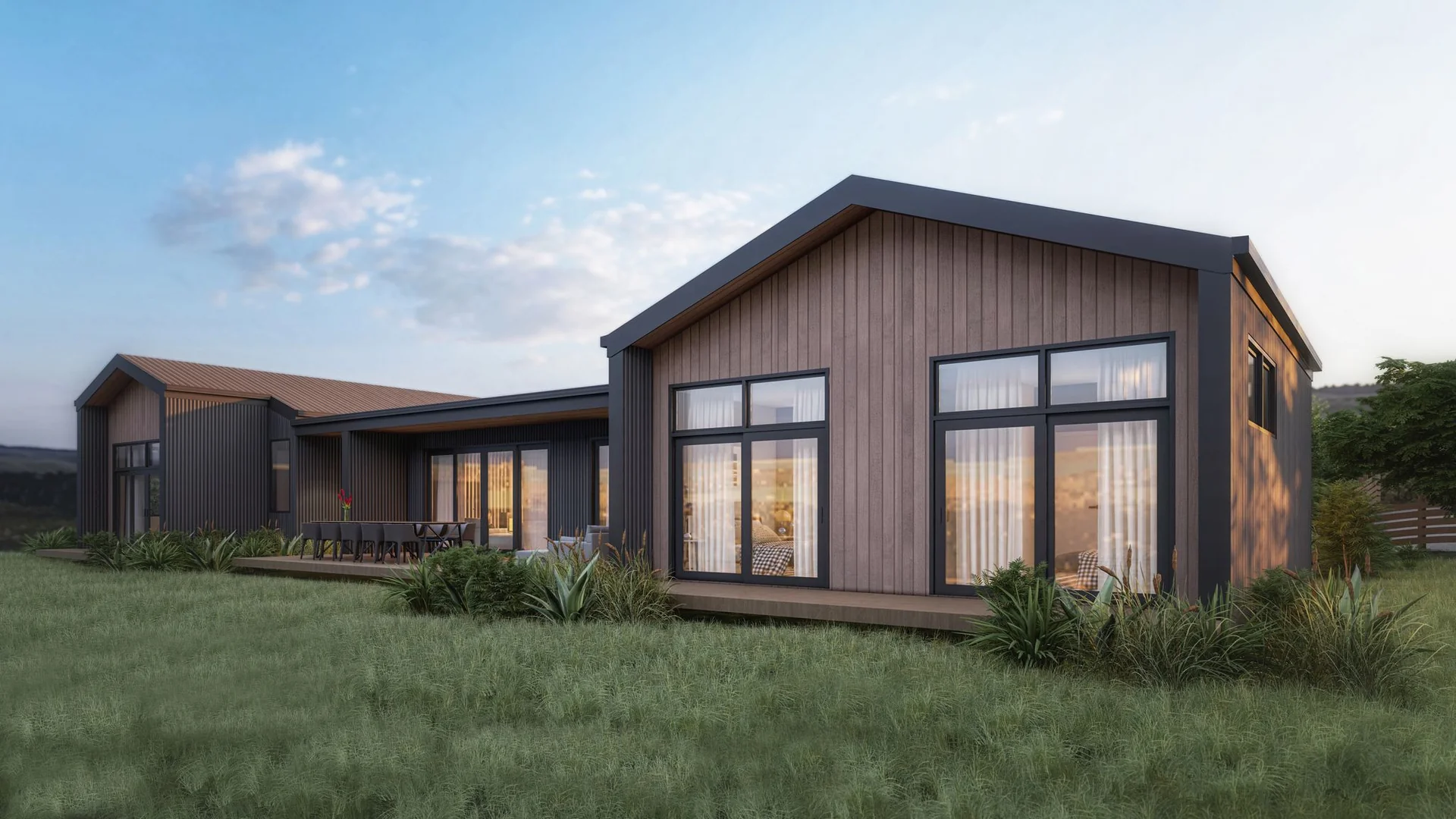
If you want a home shaped around a particular site and way of living, a new build gives you the greatest opportunity to establish those decisions from the beginning. It also requires careful control of scope, cost and programme. Before committing to a design, our guide to building a Kiwi home on a realistic budget explains how early design and pricing decisions can keep ambition aligned with available investment.
Potential advantages of building:
- The layout can be designed specifically around your site and lifestyle.
- Materials, construction systems and environmental performance can be considered together from the outset.
- Future needs can be incorporated into the original brief rather than retrofitted later.
Potential challenges:
- A bespoke new home is a significant financial commitment.
- The process requires decisions and coordination across design, consenting and construction.
- Site conditions and design ambition can materially influence cost.
Making the Decision
Whether you renovate, buy or build, it helps to judge the options against the same questions: what do you need the home to do, how long do you expect to stay, what can you comfortably invest, and which compromises are acceptable? The relationship between those decisions and long-term outcomes is explored further in the value of good architectural design.
If building becomes the preferred route, involving the construction team at the right time can also reduce uncertainty. Early builder involvement can bring practical cost and buildability feedback into the design process before key decisions become expensive to change.
There is no universal answer. A considered assessment of the existing property, alternative sites, project budget and long-term brief gives you a much stronger basis for deciding which route suits you.