Why a Sunlit Home Feels Better
Most Kiwis feel a deep connection to the outdoors, and that feeling does not have to stop at the front door. A home filled with natural light brings the best of our environment inside, transforming how a space feels and functions. Sunlight has a remarkable effect on our wellbeing, lifting moods and creating a sense of openness that helps us avoid feeling cooped up, especially during the cooler, darker months.
A bright, airy home feels larger and more welcoming. You can see the difference in the morning when sunlight streams into the kitchen, making that first cup of coffee feel a little more special. It is about more than just aesthetics. Good natural light reduces our reliance on artificial lighting for everyday tasks like reading a book on the sofa or preparing food. This focus on creating a positive atmosphere is a core part of our design philosophy. Ultimately, improving home comfort starts with thoughtfully embracing the sun, making our homes healthier and happier places to live.
Design Ideas for Maximising Sunlight
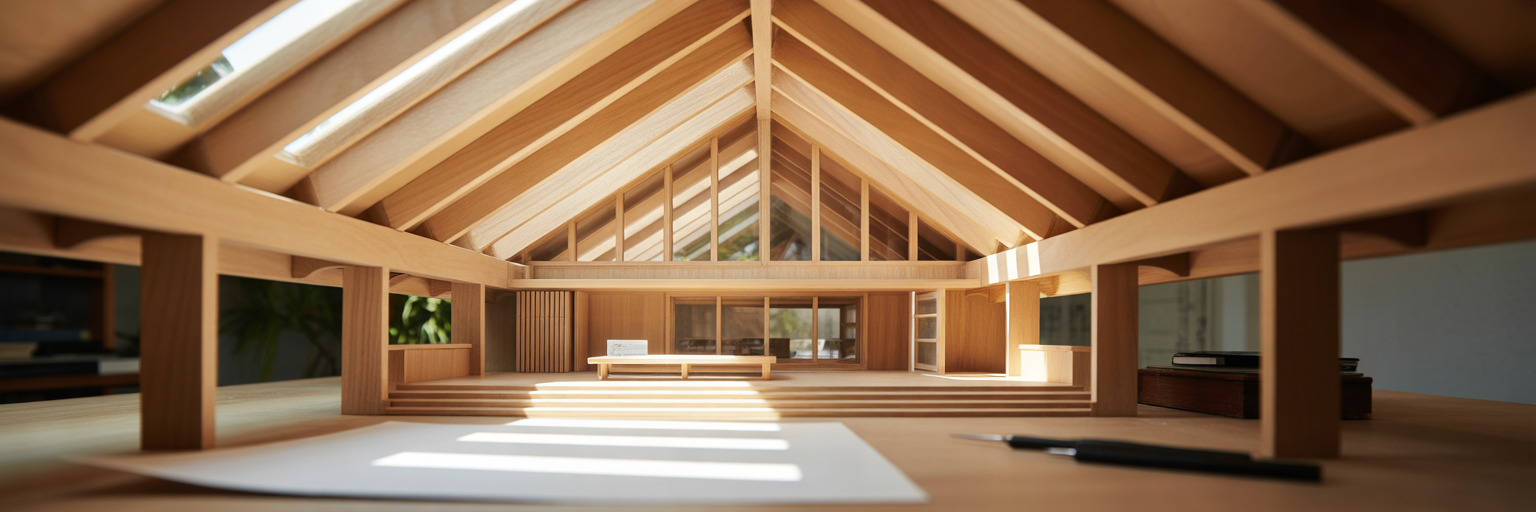
Bringing more sunlight into your home is not just about adding more glass. It is about smart, intentional choices that work with the sun's daily path. The right home design for sunlight can make a world of difference, turning dim corners into usable, inviting spaces. Getting these details right from the beginning is a fundamental part of our preliminary design process, ensuring light becomes a key feature of the home.
Here are a few effective techniques:
- House Orientation: This is the most important factor. Positioning living areas to face north allows them to capture consistent, all day sun. Imagine your lounge and kitchen being bathed in natural warmth and light from morning until late afternoon.
- Strategic Windows and Doors: The size and placement of your windows matter immensely. Large sliding doors can connect your indoor living space with the outdoors, while high clerestory windows can bring light deep into the centre of a house without sacrificing privacy.
- Skylights for Dark Spots: Central areas like hallways, bathrooms, or kitchens without exterior walls often feel dark. A well placed skylight can completely transform these spaces, flooding them with light from above.
- Interior Finishes: Once the light is inside, you want to make the most of it. Light coloured paints on walls and ceilings, reflective surfaces like polished concrete floors, and open plan layouts all help to bounce sunlight around the room, enhancing the sense of brightness and space.
These principles are valuable whether you are planning one of our new build homes or looking to breathe new life into an existing property.
How Good Light Can Lower Your Power Bill
Beyond making a home feel good, harnessing sunlight is one of the smartest ways to create truly energy efficient homes. This approach is known as passive solar design, where the house itself does the work of regulating its temperature. Passive design is highly effective at maintaining comfortable indoor temperatures year round.
The most obvious saving comes from your power bill. By maximising daylight, you simply do not need to turn on as many lights during the day. But the benefits of passive solar design go further. It is about achieving a careful balance. Large, north facing windows let in low winter sun that naturally warms the home, reducing heating costs. In summer, when the sun is high and harsh, well designed eaves or shades block that direct heat, keeping the house cool without needing to run an air conditioner. This intelligent approach is central to what we call high performance design.
Lighting Design for New Zealand's Varied Climates
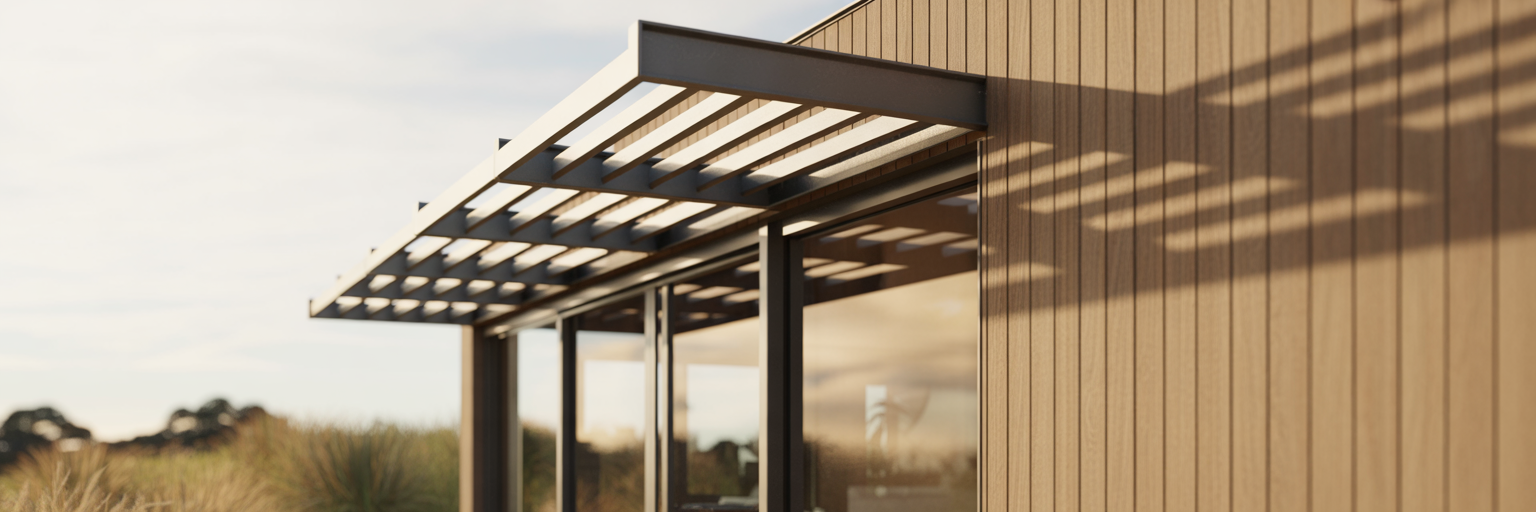
A one size fits all approach to design rarely works in New Zealand, and that is especially true for managing natural light in homes. A home in Northland has very different needs from one in Otago, so the design must adapt to the local climate.
In the warmer, northern parts of the country, the main goal is to control sunlight and prevent overheating. This means incorporating features like generous eaves, shaded outdoor living areas, and louvres that can be adjusted to block the intense summer sun while still allowing for good airflow and indirect light.
Conversely, in the cooler southern regions, the focus shifts to capturing and retaining every bit of the sun's warmth. Here, designs often feature larger north facing windows to maximise solar gain during the day. This is often paired with materials that have high thermal mass, like a concrete floor slab, which absorbs the sun's heat and slowly releases it in the evening.
For much of the country that sits somewhere in between, a flexible and balanced design is key. This might involve adjustable shading, high grade insulation, and performance glazing that work together to handle both hot summer days and cold winter mornings. Because every site is unique, getting personalised advice is the best way forward. Feel free to get in touch with us to discuss your project.