
Be sure to Read the Fine Print
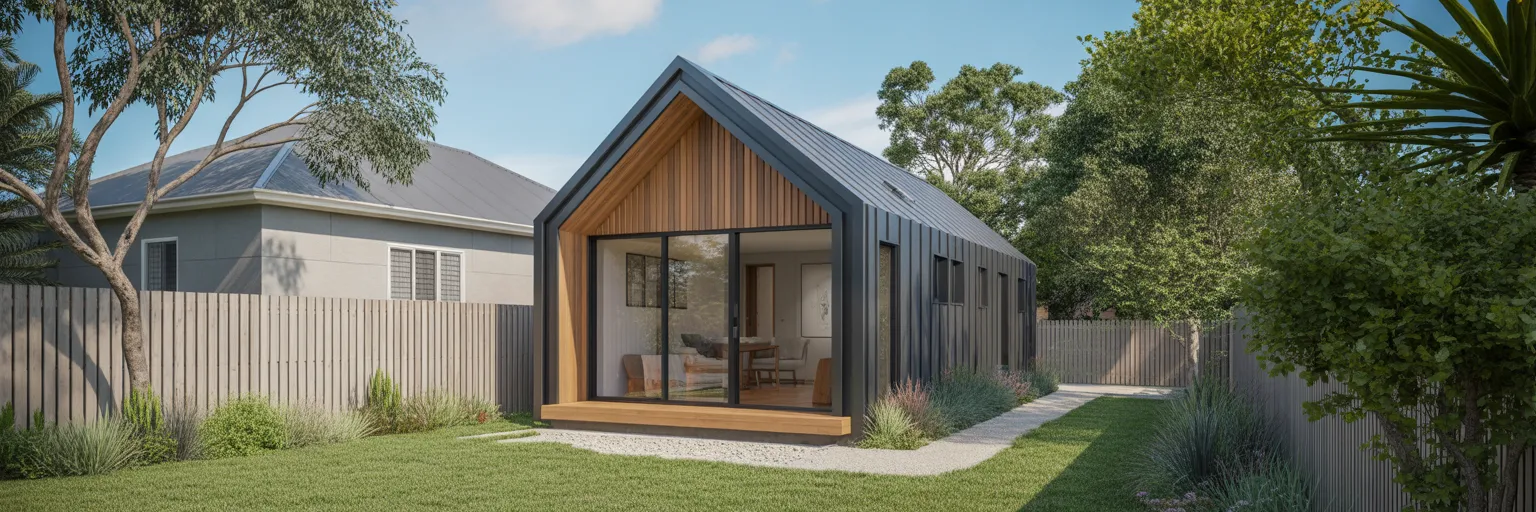
From today, New Zealanders can officially build a Minor Residential Unit (MRU) sometimes called a "granny flat" without needing a building consent, under new national rules. It’s a big step forward in simplifying small-scale housing, but it's not quite the "consent-free" silver bullet the headlines might suggest.
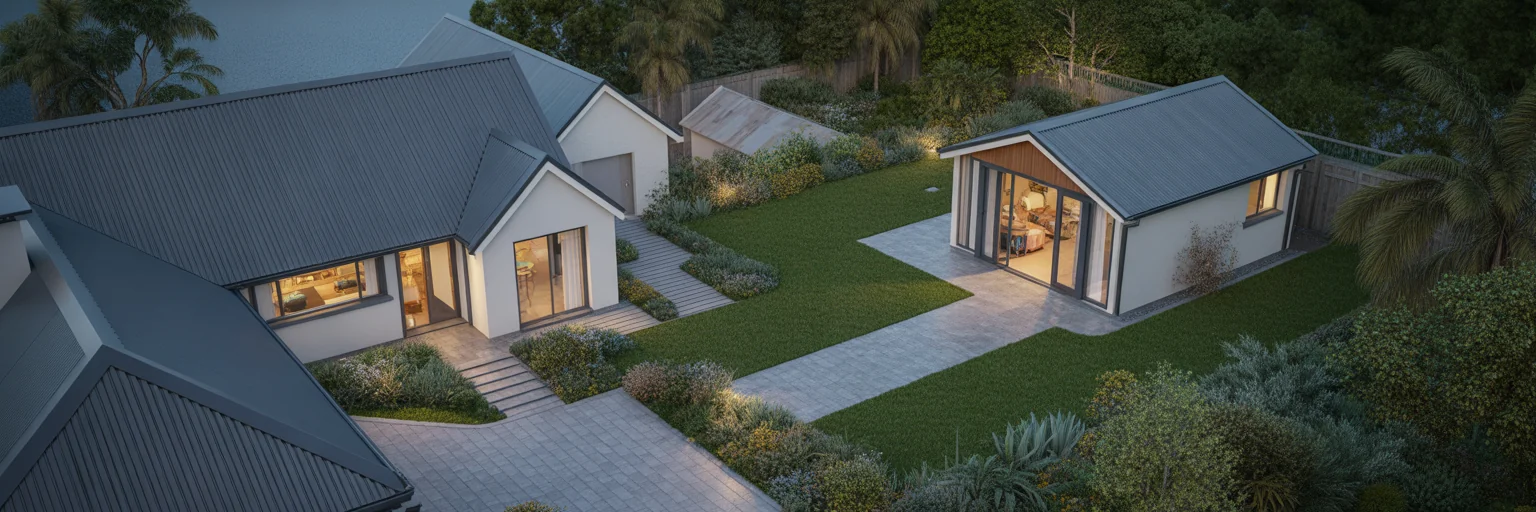
At Modal Architecture, we believe this is a fantastic opportunity to unlock extra space and value on your property. However, we also know first-hand that whether or not you can take advantage of this change depends on site-specific factors that still require careful checking and professional input. Our guide to infill housing in New Zealand provides useful context for how adding another dwelling can change the way an existing site works.

What’s Changed, and What Hasn’t
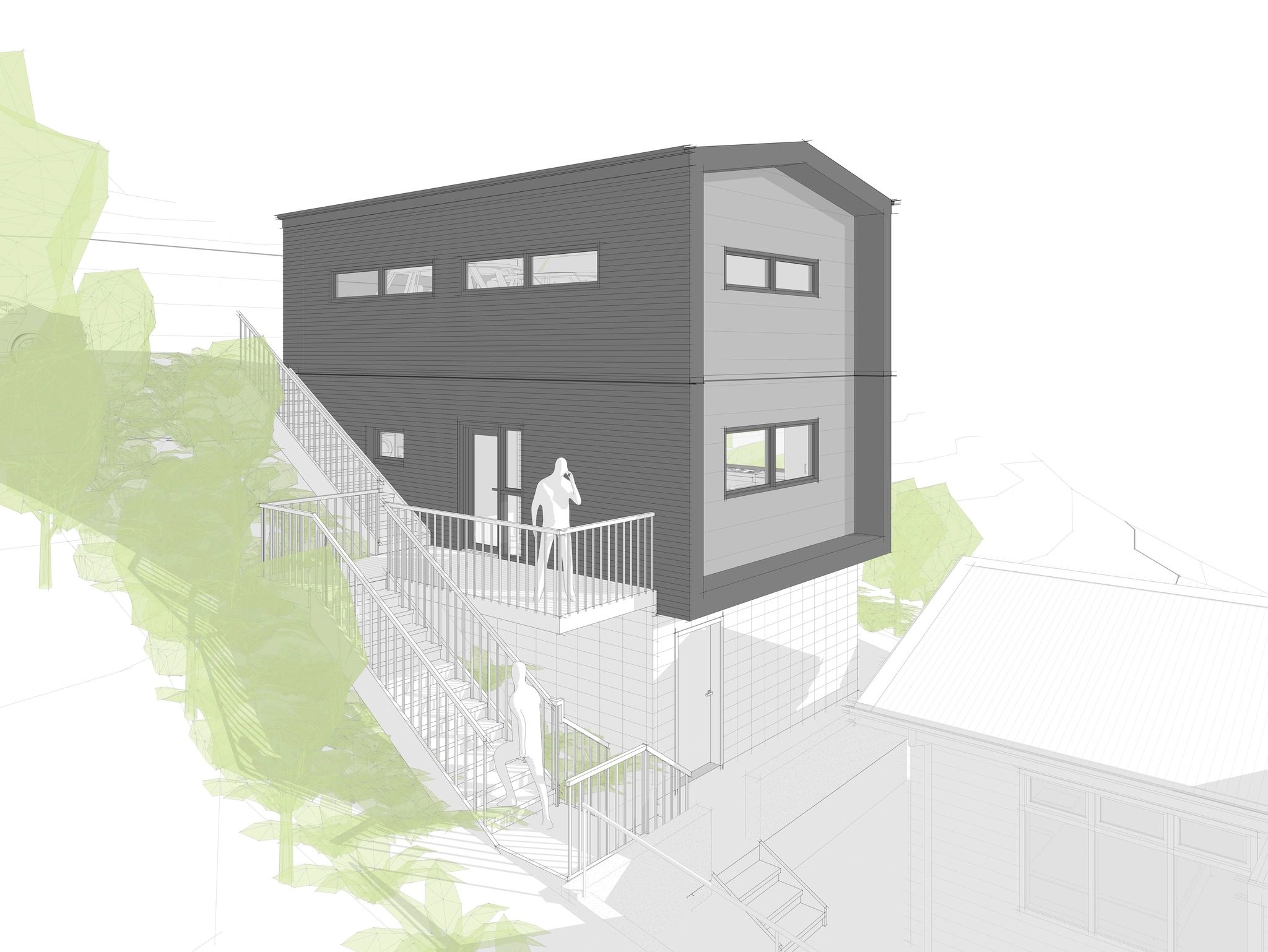
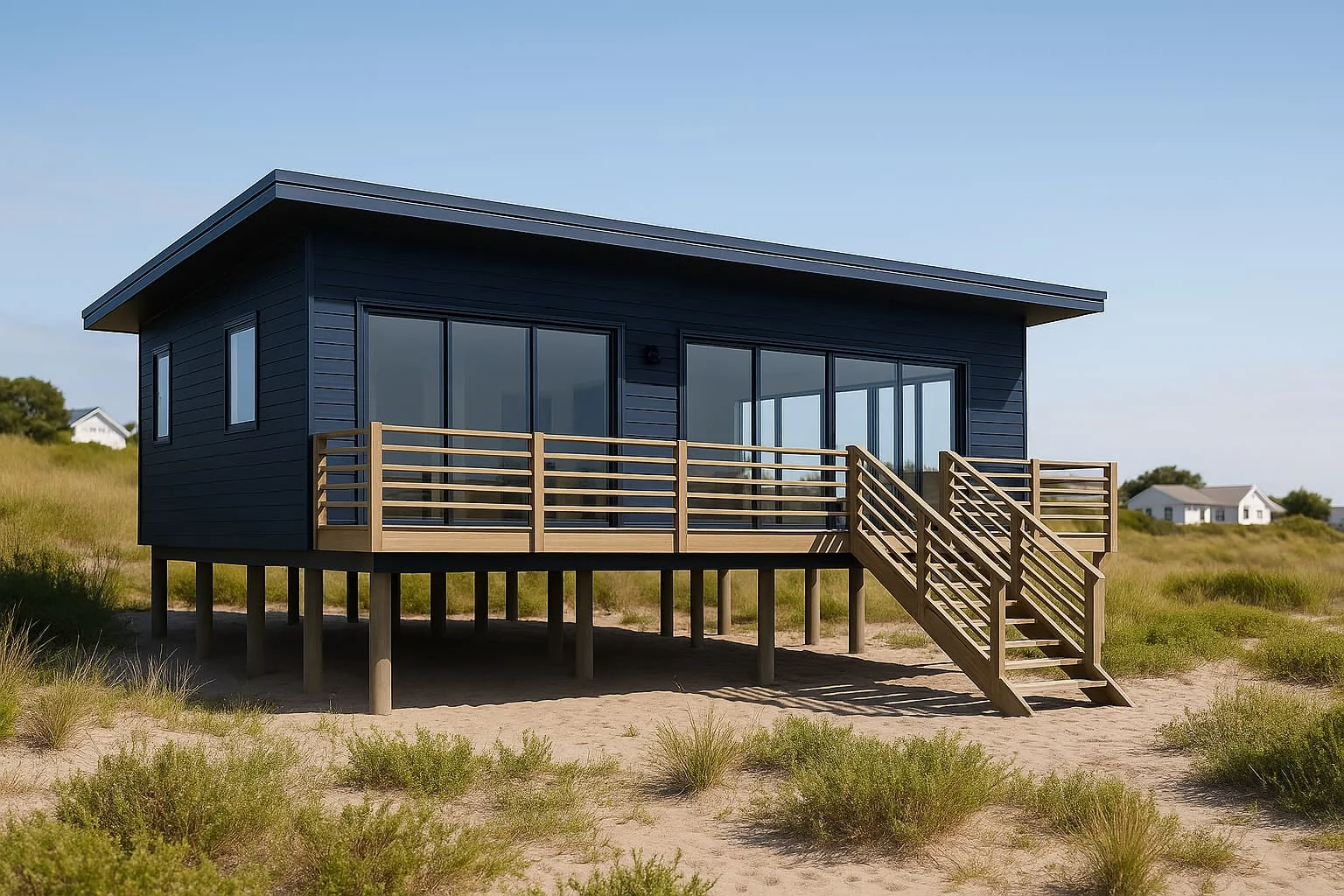
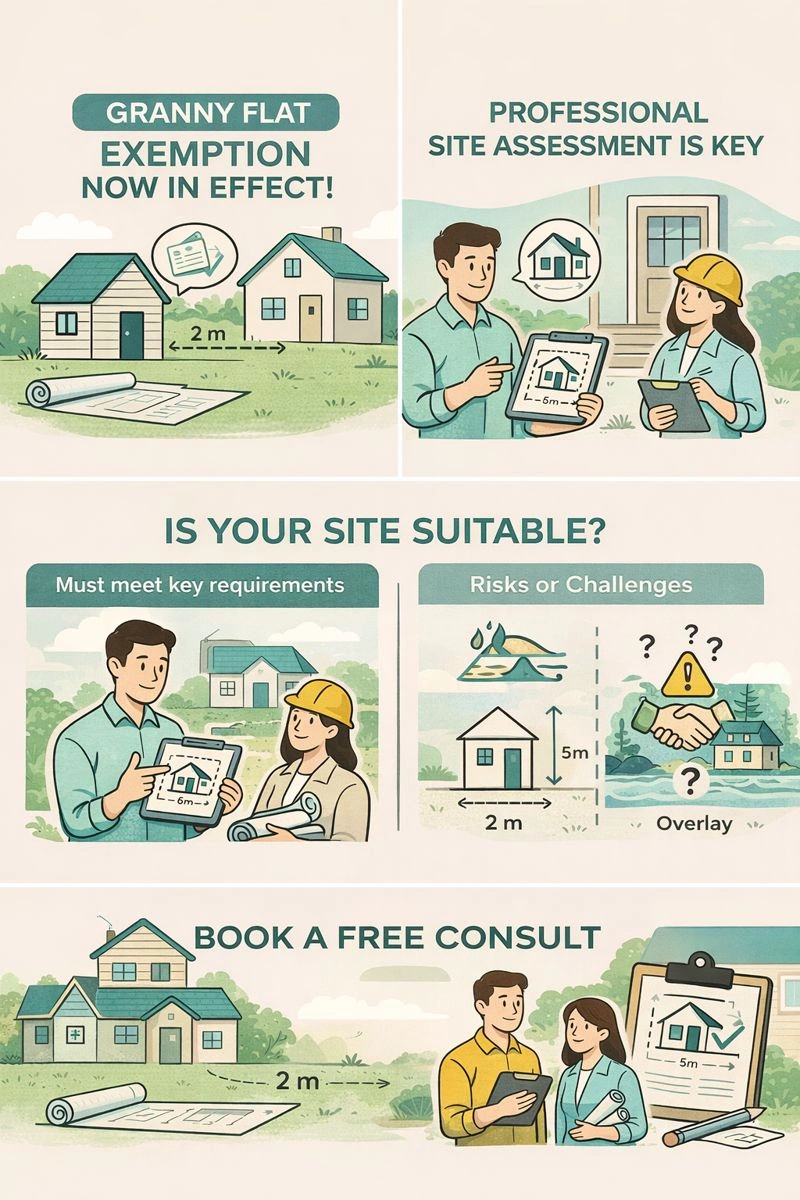
Under the new Granny Flat Exemption, you may be able to build a detached dwelling up to 70 m² without going through the traditional building or resource consent processes. Sounds simple, right? But to qualify, your build must meet some strict criteria including:
- Single-storey and standalone
- No higher than 4 metres
- At least 2 metres from all site boundaries and other buildings
- Built using light-wieght materials
- Professionally designed and constructed by licensed experts (Licensed Building Practitioners)
- You must notify the Council with a Project Information Memorandum (PIM)
- The MRU mMust comply with key planning rules, including water management, site and natural hazards, view shaft overlays and more, and infrastructure
You can explore the official guidance from Building Performance here and the Ministry of Building Innovation and employment here.
The Catch: You Still Need Council Approval
Let’s be clear, although you don’t need a building consent, you do need a PIM. That’s where the Council checks things like hazards, infrastructure capacity, and development contributions.
Some examples of site implicatoins are if your site is in a flood zone, if your services are overloaded, or if there are heritage or natural environment overlays, you may still need resource consent, and in some areas, that’s the real bottleneck. If there are ground stability issues as a separate example, you will also still need a building consent.
In short: “Consent-free” doesn’t mean paperwork-free.
Why Design Matters More Than Ever
This exemption has the potential to reduce red tape, but only if you get it right from the start. We’ve already seen confusion about setbacks, overlays, and who pays what when infrastructure upgrades are triggered. On established residential sites, thoughtful site planning for a second dwelling is especially important because access, privacy, services and usable outdoor space all need to work together.
Engaging a professional early will save you time, money, and stress.
At Modal Architecture, we can:
- Assess your site to see if it qualifies
- Help you navigate Council overlays and zoning
- Design your MRU to meet the exemption criteria
- Liaise with your builder, engineer, and Council
- Manage the process with PIM approvals, infrastructure and compliance checks
Take the Next Step with Confidence
This change is an exciting one, especially for families looking to house whānau, create extra rental income, or plan for ageing in place. But it’s not one-size-fits-all.
Before you draw up plans or engage a builder, talk to us. We’ll help you determine whether your site qualifies, what infrastructure you’ll need to consider, and how best to approach the design.
It’s your property, let’s make sure it works hard for you.
Ready to explore a granny flat for your site?
Get in touch with Modal Architecture today and let’s see what’s possible.