
What Makes a Home Truly Work for You
Many Kiwis know the feeling of a home that seems to fight against them. It is a place that is cold and damp through winter, then stuffy and hot in summer. A home that 'does the job' is the simple answer to this familiar struggle. It is a space that is warm, dry, and healthy, where the whānau can feel completely at ease. This fundamental need for comfort is different from the technical world of building certifications and performance labels. If you are new to the terminology, our guide to understanding high-performance homes explains what sits behind those labels.
These high performance ratings are often well intentioned. They aim to set a standard for quality. Yet, they can sometimes miss the most important point which is everyday liveability. A home’s main purpose is to be a wonderful place to live. Any special features should support this goal, not become the entire focus. Our design philosophy is centred on this very idea, prioritising people over paperwork. We believe in creating healthy homes for kiwis that feel good from the moment you walk in the door. This is the core of our belief at Modal.
The Building Blocks of a Functional Kiwi Home
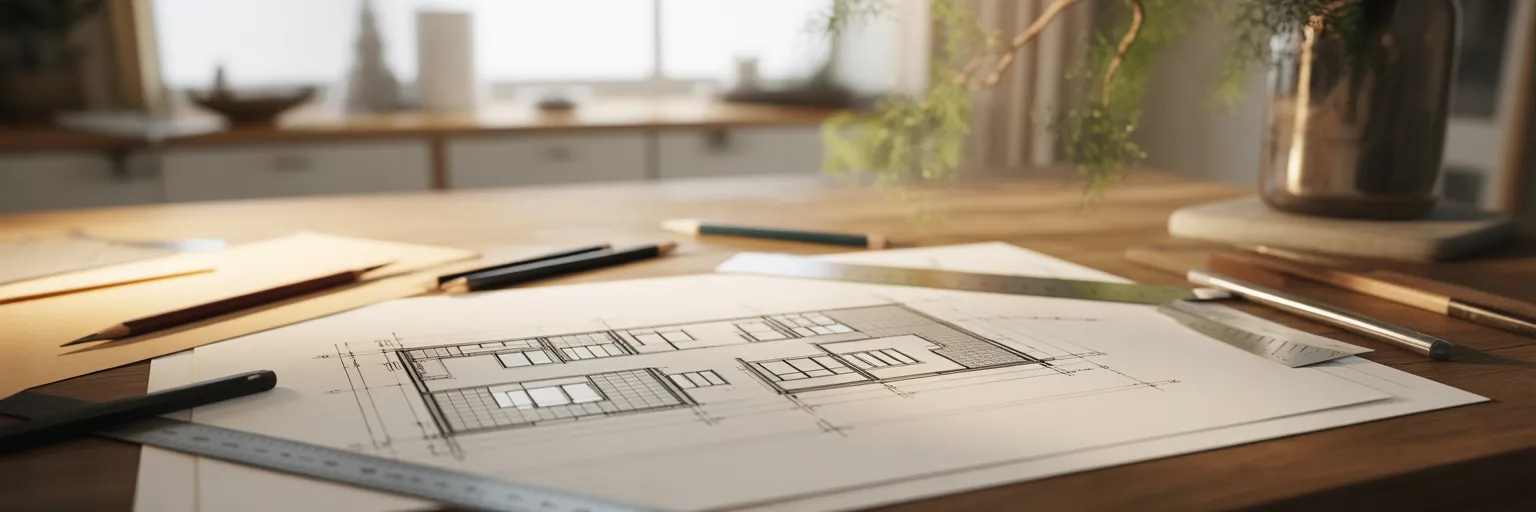
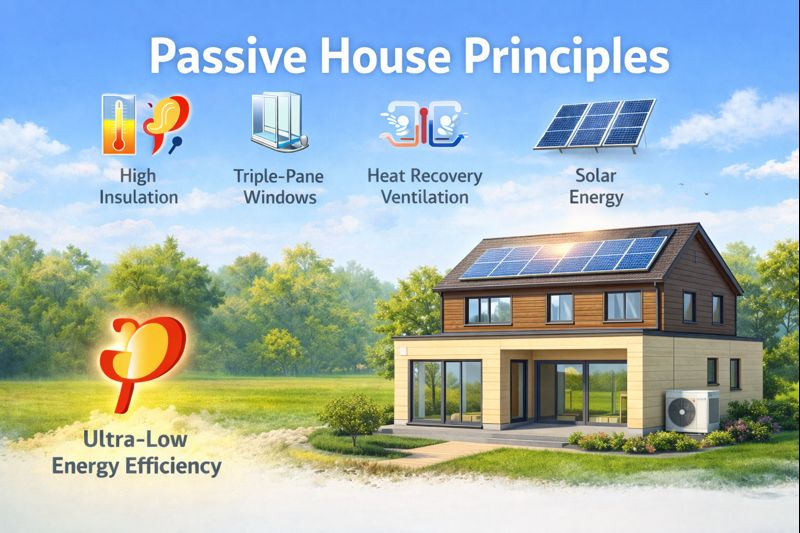
Moving from the why to the how, creating a home that works comes down to a few foundational ideas. It is not about complicated technology but about smart, thoughtful design. The first pillar is working with nature, not against it. This is often called passive design. It means thinking carefully about how your home interacts with its environment. This includes:
- Positioning the house to capture the sun for natural warmth and light.
- Using good insulation to keep the warmth in during winter and out during summer.
- Allowing for smart ventilation to keep the air fresh and healthy.
The second pillar is layout and flow. A home should be designed for how people actually live. This means creating easy connections between spaces, like the kitchen and the main living area where families gather. It also means planning for clever storage to keep life organised and providing a mix of social zones and quiet retreats for everyone. This is the essence of liveable house design. Finally, the choice of materials is vital. Selecting durable, low maintenance materials that suit New Zealand’s varied climate, from coastal salt spray to alpine frosts, is a smarter long term investment than chasing temporary trends. These timeless principles are how we approach the design of our new build homes.
Looking Beyond the Rating Sticker
It is easy to get caught up in the pursuit of certifications, but it is worth taking a balanced view. Frameworks such as Homestar can be useful when they support the right outcome, and our Homestar Practitioner article explains what that rating system looks at. There is also a known 'performance gap' in the building industry. This means a house with a top rating on paper does not always feel great to live in if it is not built or used correctly. The human element is what makes a house a home.
Consider the budget. Could the extra expense of chasing the highest possible rating be better spent on things that directly improve your daily life? Perhaps a more functional kitchen, a better outdoor living area, or higher quality finishes would bring more joy. It is about making a smart investment in your lifestyle, not just in a certificate. Highly technical systems can also bring complexity and ongoing maintenance costs. There is an elegance in simplicity and robustness when it comes to building a comfortable home. As research from organisations like BRANZ consistently shows, fundamental design choices are what truly create warm, healthy living spaces. If you have more questions about these complexities, you might find answers in our frequently asked questions.
Good Design is the Real Performance Indicator

Ultimately, the goal of a skilled architectural designer is to create a home that works for the people inside it. This is achieved by listening. Clever and practical home design can deliver excellent energy efficiency and comfort through smart, site specific solutions, rather than by simply ticking boxes on a checklist. It is about creative problem solving tailored to you.
We encourage you to shift your focus when you begin your design journey. Instead of starting with technical specifications, start by talking about your life. A good designer will want to understand these things to create a home that truly does the job. Consider these questions:
- How does your family like to spend weekends?
- What does your morning routine look like?
- What does 'comfort' feel like to you and your whānau?
Your answers provide the best possible brief. A home is the backdrop for your life’s most important moments. Good functional architectural design is what makes it a supportive and joyful one. You can see how this people focused approach comes to life in our projects. When you are ready to talk about your own vision, we invite you to book a meeting with us.