
The Current Economic Mood and Homebuilding
The economic climate of 2026 feels like a cautious sunrise after a long night. Here in New Zealand, families are feeling a sense of careful optimism. While the memory of tighter times is still fresh, moderate growth is encouraging more thoughtful, long term decisions. This is especially true for something as significant as building a family home. We're seeing a clear shift away from viewing property as a quick flip for profit. Instead, the focus is returning to the home's true purpose: a stable, nurturing foundation for a family's future. This renewed confidence, supported by steady housing values, is exactly what gives homeowners the courage to invest in quality, bespoke projects. It reinforces the idea of a home as a generational asset, making the process of building a home in 2026 a deeply personal investment. For more on this, you can explore some of the broader ideas we've shared on our architecture blog.
A Shift Towards Long Term Thinking
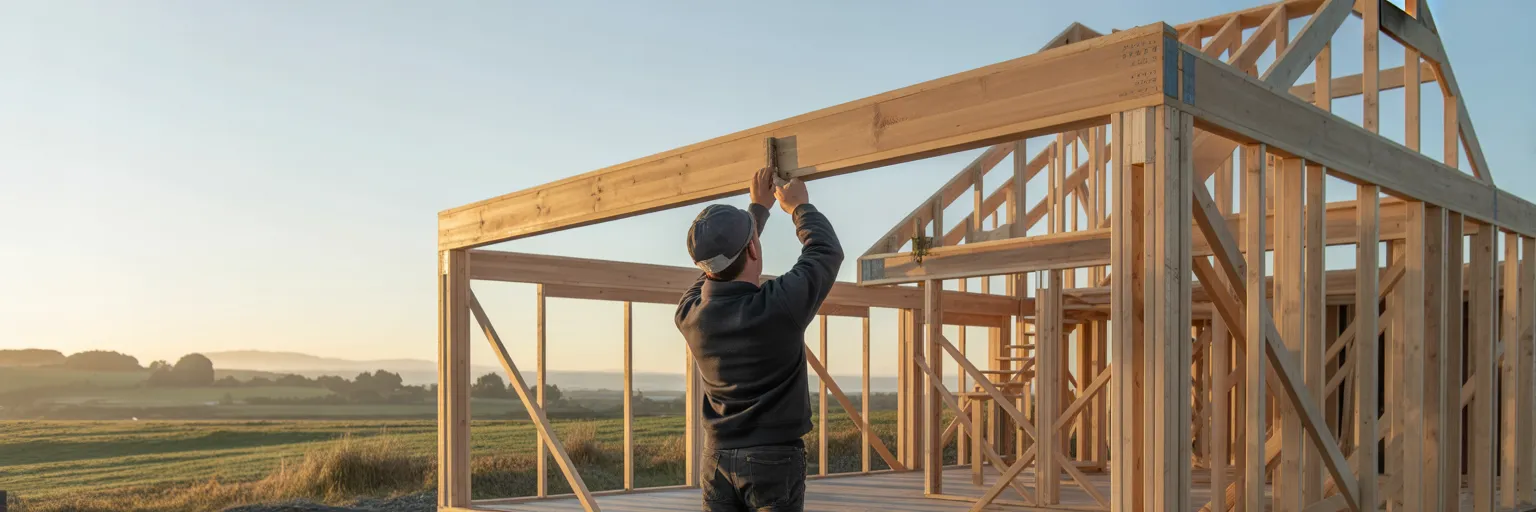
This economic mood naturally leads to a change in design philosophy. The desire for short lived trends is fading, replaced by a demand for timelessness. In a measured economy, Kiwis want a home that not only looks good today but retains its appeal and value for decades. This means a renewed focus on quality craftsmanship and durable materials. We can all picture a home built in the 70s that needs constant work, versus a classic villa that has stood the test of time. The difference is in the quality of the build. Think of locally sourced timbers that age gracefully or robust, low maintenance cladding that withstands our unique climate. While the initial outlay might be higher, the long term savings on upkeep make it a wise financial decision. This is the essence of future proofing your home. It’s not just a buzzword for smart gadgets, but a core principle for creating a resilient and lasting structure. This approach is central to what we consider a true legacy home design, a place built with permanence in mind. Creating these kinds of enduring properties is at the heart of our work with new build homes.
Designing Homes for Life's Changes
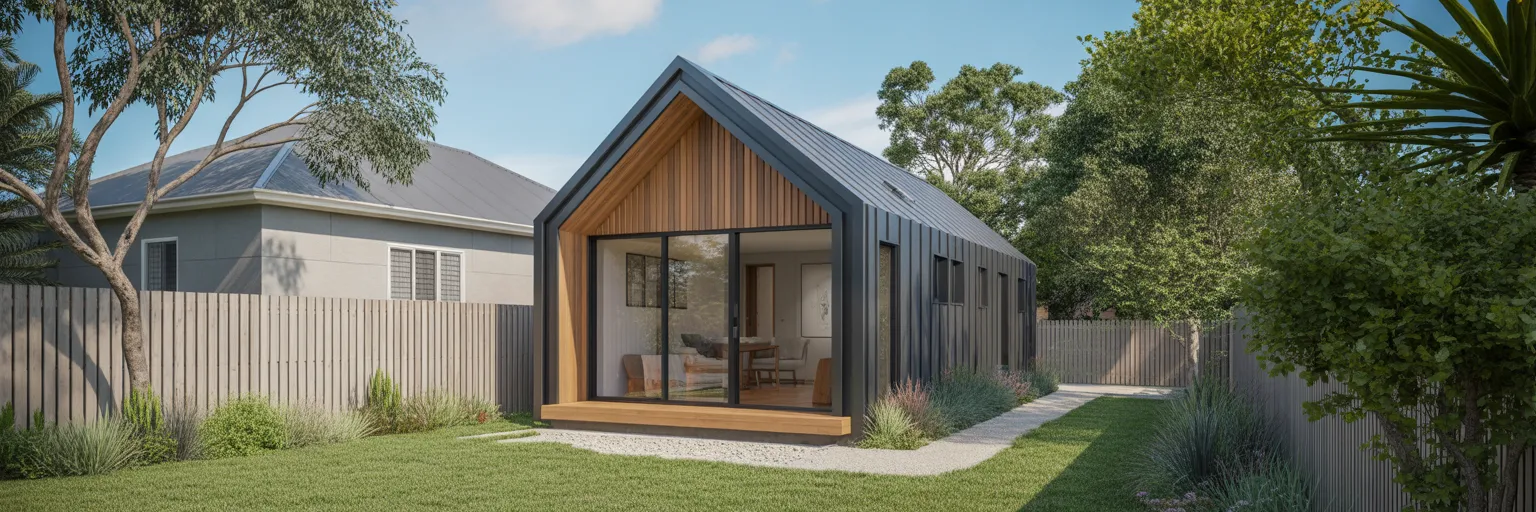
Beyond its structure, a home must also adapt to the people living inside it. Family life is not static, and our homes need to reflect that. We are seeing a significant rise in multigenerational living in NZ, where designs must cleverly accommodate grandparents, adult children, or even provide a source of rental income. As research from Stats NZ highlights, household composition is becoming more diverse, and our homes need to keep up. This might mean creating self contained suites or separate zones within the main house, a specialty we cover in our infill dwellings service. Equally important is designing for ‘aging in place’, allowing people to stay in their beloved homes for longer. This involves practical features that enhance safety and comfort.
- Single level main living areas to avoid the daily challenge of stairs.
- Wider doorways and hallways for easy movement, whether with a pram or a walker.
- Level entry showers that eliminate a common trip hazard.
- Reinforced walls in bathrooms for the simple future addition of grab rails.
These thoughtful inclusions ensure a home serves its family through every stage of life.
Smart Investments in Sustainability
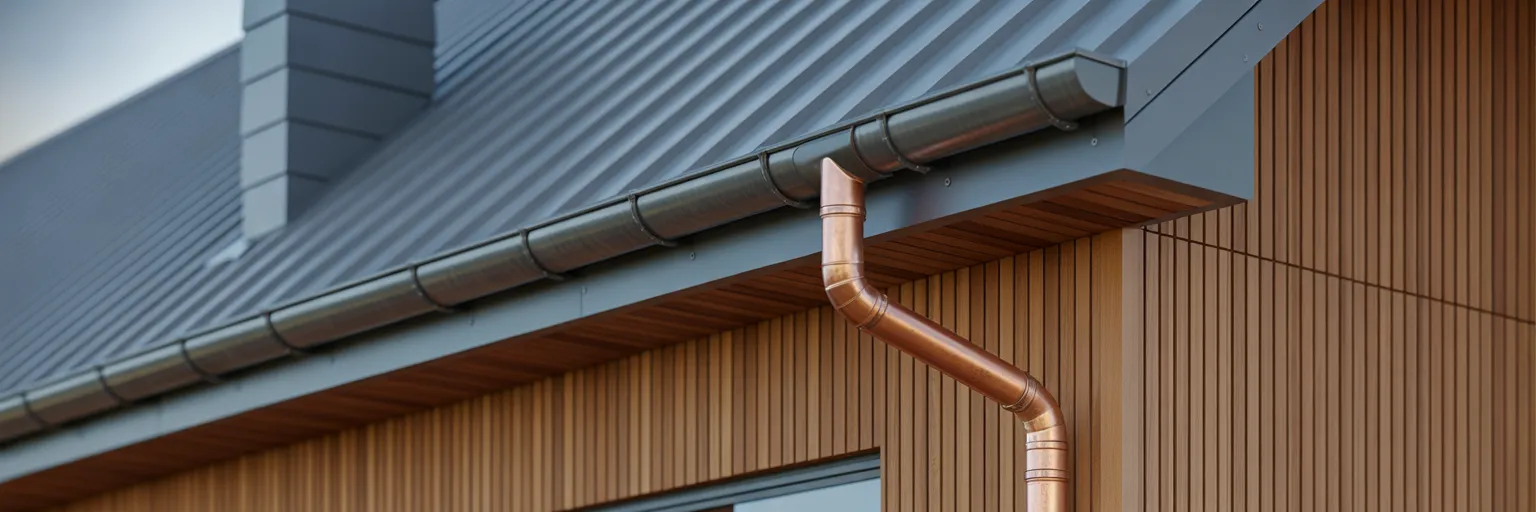
That same long term thinking is also making sustainable design a practical choice rather than a luxury. A stable economic outlook gives homeowners the confidence to make smart upfront investments that pay off for years to come. A sustainable home design is fundamentally about reducing your running costs and increasing your home's independence. These are not just expenses, they are investments in a more affordable and resilient future. Our approach to high performance design focuses on features that deliver tangible value.
- Solar panel systems that reduce your reliance on the grid and lower power bills.
- Rainwater harvesting systems to conserve a precious resource and cut water costs.
- High performance insulation and windows that keep your home warm in winter and cool in summer, naturally.
- Energy efficient heat pump systems for comfortable, low cost heating and cooling.
A home that generates its own power and conserves water is not just better for the planet, it’s better prepared for any future disruptions. If you have more questions about this, our frequently asked questions page offers further insights.
Creative Ways to Manage Building Costs
Of course, building a legacy home has to be balanced with a realistic budget. The conversation around home building costs in New Zealand can be daunting, but we see it as a reason for smarter design, not compromise. Intelligent architectural design is one of the most effective tools for managing your budget without sacrificing the long term vision. This comes down to making strategic choices. It means creating efficient floor plans that minimise wasted space and reduce the overall footprint. It involves simplifying the building’s form to lower construction complexity. Most importantly, it’s about prioritising spending on the ‘good bones’ of the house, like the foundation and structure, over cosmetic finishes that can be upgraded later. Building cost effectively is about being clever, ensuring your home is affordable now while being built to last. If you'd like to discuss balancing your vision with your budget, we invite you to book a meeting with our team.