
The Untapped Potential in Your Backyard
Many Kiwi properties have a classic quarter acre section, but much of that space often sits underused. Think of that sprawling back lawn. Now, picture it as the foundation for a second income stream. This is the core idea behind infill housing in New Zealand. It is the simple process of building a second, often smaller, home on a residential section you already own, making much better use of your land. For a wider introduction to the model, see our New Zealand infill housing guide.
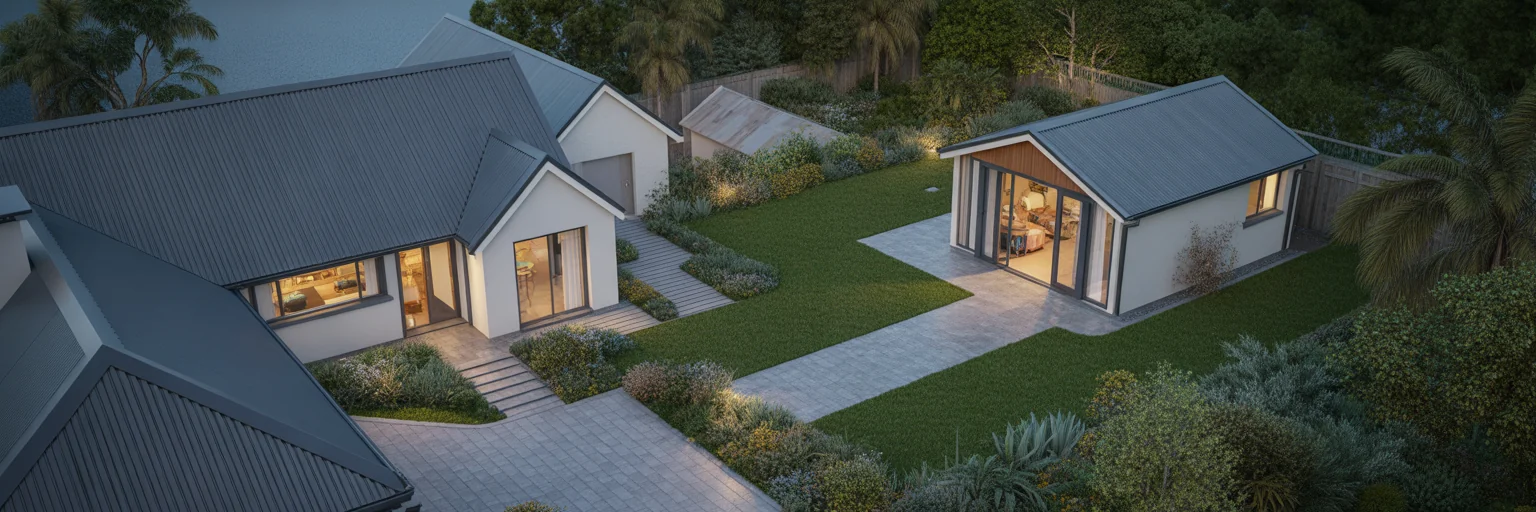
This approach is gaining traction across the country, especially in urban centres like Auckland, Wellington, and Christchurch where housing demand is high. For property investors, it presents a clear opportunity. This guide will walk you through the key considerations for a successful project, from picking the right spot to the design elements that attract tenants. For those wanting to see what these projects look like, exploring services for infill dwellings can provide a solid visual foundation.
Why Infill Housing is a Smart Move for Investors

For anyone focused on their property investment portfolio, the numbers behind infill housing are compelling. It is not just about adding another building. It is about fundamentally changing the financial performance of your asset. The advantages are clear and direct.
- A Second Income Stream: The most obvious benefit is creating a new rental income from a single piece of land. This immediately boosts your cash flow and can help pay down your mortgage faster.
- Increased Capital Value: You are not just adding a house. You are optimising the land's potential. A property with two dwellings and two income streams is significantly more valuable to future buyers than one with an empty backyard.
- Lower Vacancy Rates: By adding a modern, well designed home to the market, you are helping to meet critical housing demand. These properties are highly desirable, ensuring they are tenanted quickly and consistently.
- Sustainable Growth: This strategy supports urban densification, which is a goal for many New Zealand cities. It is a responsible way to grow your portfolio while contributing to more efficient communities, often forming a key part of larger property developments.
Choosing the Right Spot for Your Infill Project
While the financial returns are attractive, a successful infill project begins long before any construction. Your first steps should involve careful research and due diligence. The right location is everything. Look for properties close to public transport, good schools, and local shops. These are the amenities that tenants consistently seek out.
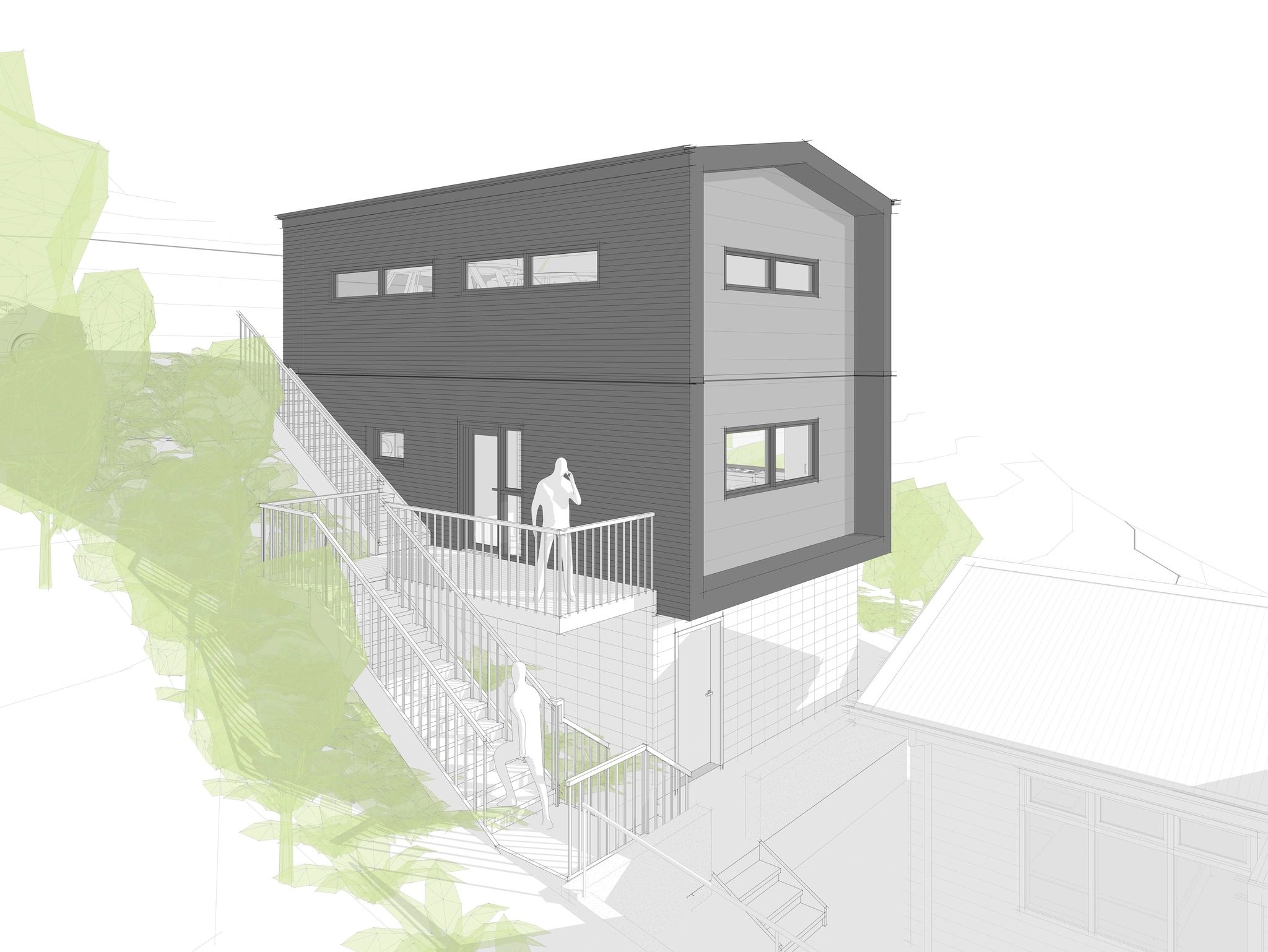
Beyond the neighbourhood, assess the physical site itself. Is the section flat or sloped? Where is the vehicle access? The location of existing services like water and drainage can impact on your budget. A site that looks perfect on paper might present practical challenges that add cost and complexity. These issues are best considered together, which is why thoughtful site planning for a second dwelling is so important before a design is locked in.
Most importantly, have you checked your local council’s District Plan? Many investors get excited about design before confirming what is even possible. Zoning rules determine what you can build, how big it can be, and where it can be placed. Understanding these guidelines is a non negotiable first step. Navigating or negotiating these requirements often starts with a formal application for resource consent, so getting it right from the beginning is essential.
Smart Design for Better Rental Appeal

Once you have confirmed a site’s potential, the focus shifts to the dwelling itself. Thoughtful architectural design is what separates a standard rental from a high performing asset. When it comes to designing for rental appeal, certain features consistently deliver results.
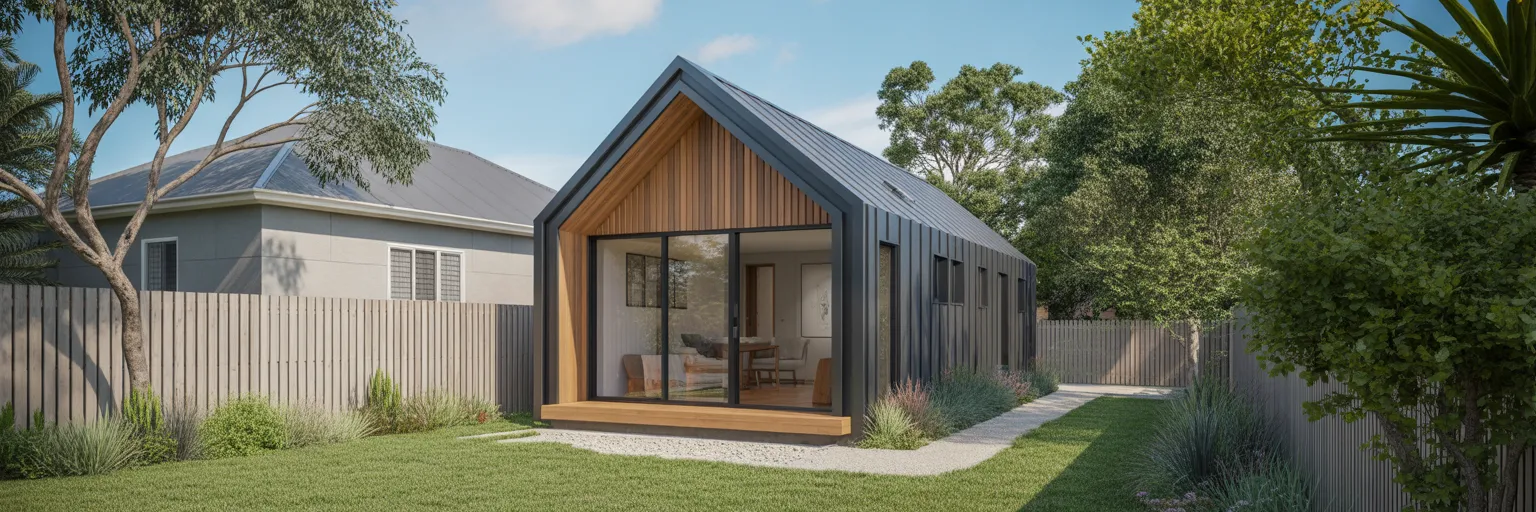
A functional and flexible layout is paramount. Open plan living makes even a small footprint feel spacious, while clever built in storage solutions are always appreciated. Privacy is another major factor. Even a small, private deck or courtyard creates a huge drawcard for Kiwi tenants who value indoor outdoor flow. It gives them a sense of personal space. On close urban sites, designing privacy into the home can materially improve how comfortable both dwellings feel.
Choosing quality finishes and low maintenance materials is also a smart financial move. While it might require a slightly higher initial investment, it attracts better tenants, reduces ongoing repair costs, and helps to maximise rental returns in the long run. Finally, never underestimate the power of natural light. Well placed windows can make a compact home feel bright, airy, and far more appealing. This commitment to high performance design creates a durable, efficient home. You can see these principles in action across many successful completed projects.
Your Long Term Financial Gains
Ultimately, building a minor dwelling in NZ is a strategic financial decision. It transforms a single asset into one that generates dual income streams, significantly increasing its total capital value. The project is a powerful blend of smart location choice, careful planning, and thoughtful design.
Looking further ahead, there is also the potential for future subdivision. In some cases, it may be possible to give the new dwelling its own legal title, allowing you to sell it separately. This option can be a key part of a long term strategy for savvy Kiwi investors looking to build a more resilient and profitable property portfolio.
If you are ready to explore the potential of your property, the next step is a conversation. We invite you to book a meeting to discuss your ideas.