
The Great Kiwi Building Challenge
Many Kiwis share the dream of building their own home, a place designed just for them. But we have all heard the stories of budgets spiralling and dream features getting cut. This tension between design ambition and financial reality is a standard part of the process, not a sign of failure. Before a single nail is hammered, the new build cost needs to include essentials like meeting the New Zealand Building Code for warmth, dryness, and structural safety. These are not optional extras, they are the foundation of a healthy home. Our guide to how the NZ Building Code shapes home design explains how those requirements influence decisions from the outset. Think of it less as an obstacle and more as a puzzle. With smart planning and clear communication, you can solve it without sacrificing your vision.
Smart Planning Before You Start

The most significant savings in any build happen long before the digger arrives. We can all picture that moment on a building site when a costly change is needed, and the real frustration begins. Bringing your architectural designer and builder together from the very beginning is the best way to avoid this. Early contractor involvement gives the design team practical cost and buildability feedback while decisions are still easy to change. This integrated approach means key performance goals, like energy efficiency and moisture control, are woven into the initial sketches, not tacked on as expensive afterthoughts. It’s a core principle of effective sustainable home design. Testing these ideas on paper during our preliminary design phase is always cheaper than fixing a mistake in concrete and timber. As the national Building Performance website highlights in its 'Top tips for building' guide, early specialist engagement is essential to avoid redesigns.
Our process begins with your brief and the design of a home that responds to your lifestyle, site, and long term needs. Once the design direction is established, early involvement from a contractor provides practical insight into how the design will be built and how different decisions may influence cost and programme. This allows the wider team to then prioritise what matters most, refine scope where appropriate, and align the project with an agreed budget without compromising the core design intent. By addressing these considerations early, uncertainty is reduced during construction, helping to avoid costly changes on site and supporting a more predictable and considered build process.
Achieving Great Design Through Simplicity
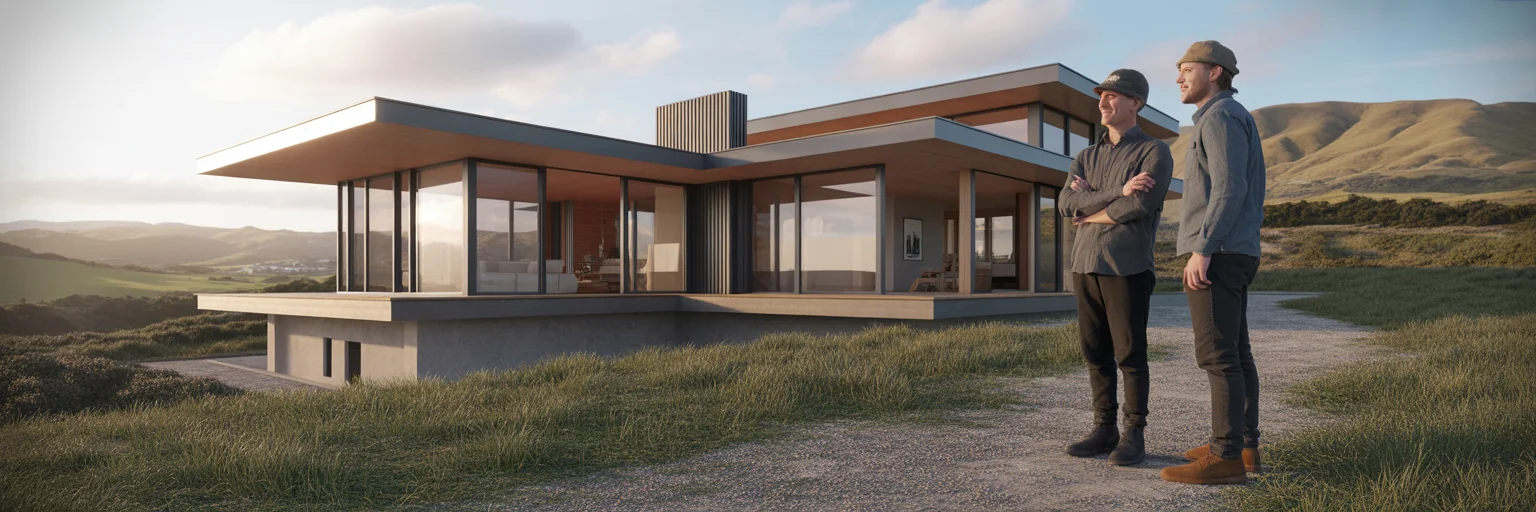
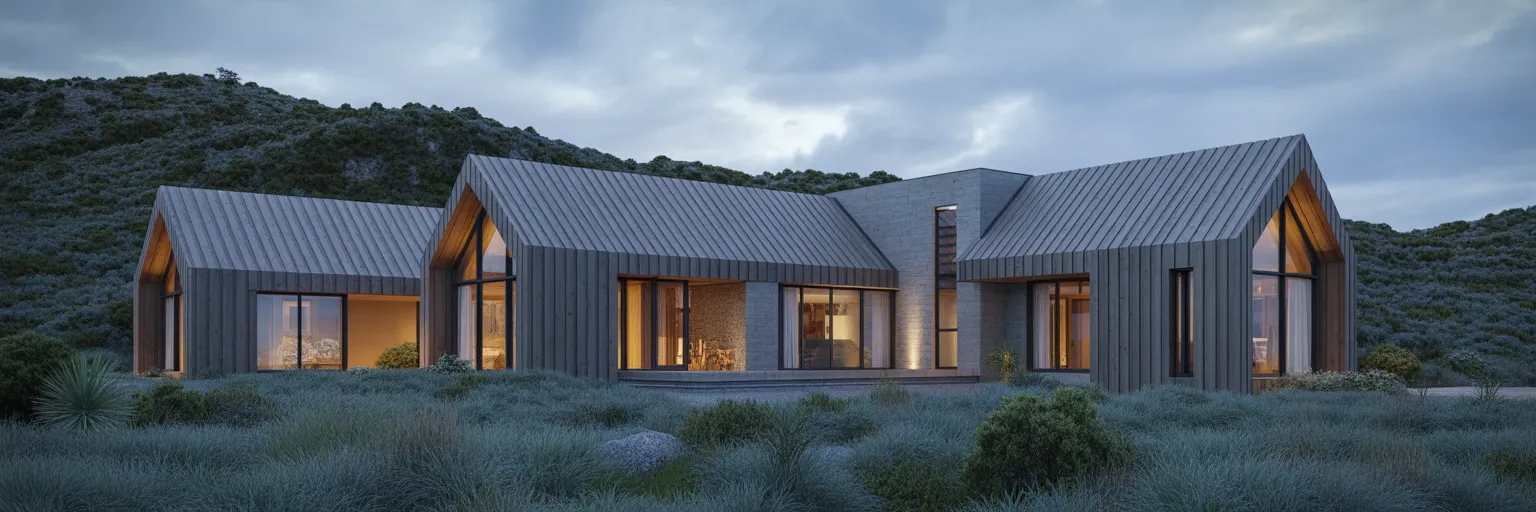
Great architectural design does not have to be complicated or expensive. In fact, some of the most beautiful and functional homes are born from simplicity. An intricate roofline or a complex floor plan might look impressive on paper, but they often introduce construction challenges, weather tightness risks, and significant labour costs. An affordable home design often starts with a simpler form. By sticking to more straightforward shapes and roof structures, you reduce waste and make the build process faster and more predictable for your construction team. This same logic applies to materials. Using standard sizes for things like windows, doors, and cladding sheets minimises cutting and custom fabrication on site.
Modern building methods also offer a path to high quality outcomes without the high price tag. For example, using prefabricated wall panels or Structural Insulated Panels (SIPs) allows for precision manufacturing in a factory setting.
The advantages of a simplified design include:
- Lower construction costs and less material waste.
- Faster build times with fewer on site complications.
- Improved long term durability and weather tightness.
You can see how these principles create elegant and liveable spaces in our completed projects.
The Long Term Value of a Smarter Home

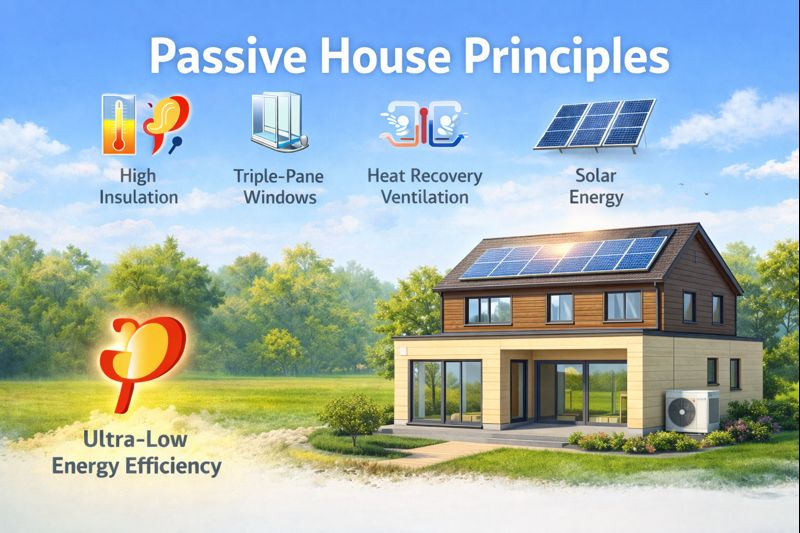
The conversation around cost should not stop at the final invoice from your builder. A truly smart home delivers value for its entire lifetime. While it’s tempting to cut costs on insulation or high performance windows, these decisions have long term consequences for your power bills and comfort. Passive design is one way to use orientation, insulation, glazing and natural ventilation to improve comfort without relying solely on mechanical systems. As highlighted in Auckland Council's sustainable home design guide, a typical sustainable upgrade adds only about 1.5% to the initial budget. This modest investment is often recovered through lower energy and water bills over just a few years.
Energy efficient homes are becoming increasingly desirable in New Zealand, as more buyers place value on warmth, comfort, and lower ongoing running costs. EECA research shows that around 80 percent of New Zealanders see improving energy efficiency at home as important, reflecting a growing awareness of how building performance affects everyday living. While comprehensive resale data is still emerging, real estate commentary and Homestar case studies suggest that homes with proven performance credentials tend to stand out in the market and are often perceived as more valuable by buyers, with the potential to support stronger resale outcomes over time. Achieving this is the focus of our high performance design service.
A Clear Path to Your New Home
The journey of building a house in NZ can feel daunting, but balancing your design dreams with a realistic budget is entirely achievable. Success is not about compromise, it is about making smart, informed choices from the very beginning. It comes down to having a clear plan and the right team beside you. By establishing cost control checkpoints throughout the project, from the first sketch to the final handover, you stay in control.
To keep your project on track, adopt this simple mindset:
- Define your priorities clearly before you start.
- Engage your team of experts as early as possible.
- Embrace simple, elegant design solutions.
- Focus on long term value, not just upfront cost.
Your dream home is within reach when you follow a structured and collaborative process. If you are ready to start the conversation, we would love to hear from you. Get in touch with us today.