Planning Your Forever Home for a Relaxed Retirement
Most of us look forward to a peaceful retirement in Aotearoa, picturing days spent in the garden or with whānau, not worrying about the house. This is where the idea of future proofing comes in. It isn't a complex technical term but a practical Kiwi approach to planning ahead. A future proof home is about making smart, simple choices now to create a home that stays comfortable, safe, and affordable for the long haul. Our broader guide to creating a home for every stage of life looks at many of the same decisions from a whole-of-life perspective.
The goal is to design a space that supports your wellbeing, rather than becoming a chore to maintain. Think about what that really means. It means lower power bills, giving you more financial freedom. It means having a home that allows you to live independently for as long as possible, adapting to your needs as they change. Most importantly, it means crafting a home that is a genuine joy to live in every single day.
This planning stage is an exciting opportunity to get things right from the start. Before any soil is turned, understanding the entire process is vital. For a clear overview of what to expect, we have put together a guide on what you need to know before we get started.
Smart Energy Choices for Long Term Savings
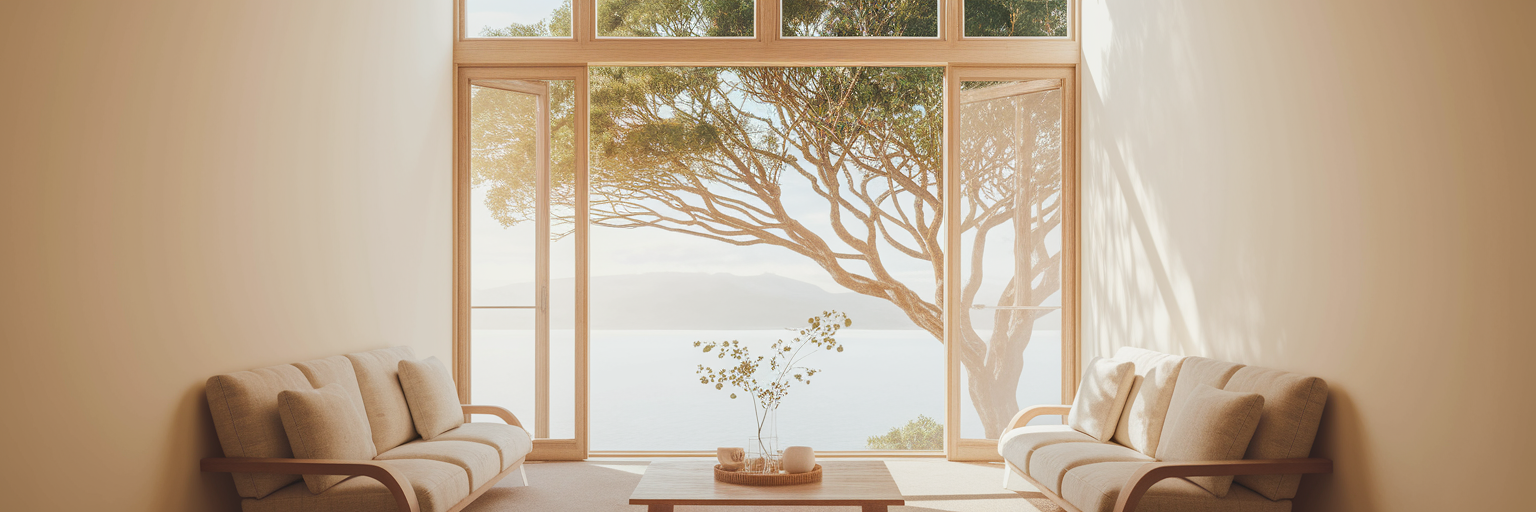
We all know the feeling of a cold, damp Kiwi winter and the power bills that come with it. Making smart energy choices is one of the most effective ways to ensure your retirement home is warm, healthy, and affordable to run. The New Zealand Green Building Council's roadmap for improving our homes highlights just how important this is on a national scale. For your own home, focusing on a few key areas makes all the difference.
Creating truly energy efficient homes in New Zealand's style means looking at the house as a complete system. This involves:
- Superior Insulation: This is more than just standard batts in the ceiling. To create a complete thermal envelope that keeps your home consistently warm and dry, it is crucial to include high quality insulation under the floor and around the concrete slab edge. This simple step stops warmth from leaking out through the foundations.
- High Performance Windows: Think of your windows like a thermos flask. Standard aluminium frames conduct cold straight inside, leading to heat loss and annoying condensation. Low-e double glazing with thermally broken frames stops this transfer, keeping the warmth in and the cold out.
- Efficient Heating and Water: Modern systems offer incredible comfort without the high cost. In slab hydronic heating, powered by an efficient electric heat pump, provides a gentle, consistent warmth underfoot. Pairing this with solar panels can drastically lower your monthly bills, a key goal for a relaxed retirement.
These features work together to create a home that performs beautifully. If you want to understand the whole building system rather than individual products, our guide to high-performance homes explains how insulation, airtightness, glazing and ventilation work together.
This table illustrates the practical differences between building to the minimum standard and investing in high-performance features. The choices directly impact long-term running costs, health, and comfort, which are key considerations for a retirement home design NZ.
Designing for Easy Living Now and Later
A home that supports you as you age should never feel clinical. Smart design is about creating a layout that is effortlessly comfortable and safe for everyone, at every stage of life. These accessible home design ideas are about foresight, not just adding grab rails later on. A thoughtful retirement home design focuses on flow, space, and ease of movement from day one.
The Value of Single Level Living
The single biggest factor for long term accessibility is eliminating stairs. A single level home removes a future barrier to mobility, ensuring every part of your home remains easy to reach. If you love a two storey design or your site requires it, a ‘main floor living’ strategy is a brilliant solution. By placing the master bedroom, a full bathroom, and all main living areas on the ground floor, you ensure the home remains perfectly liveable even if stairs become a challenge.
Creating Accessible Pathways
Have you ever tried to move a large piece of furniture through a narrow hallway? The frustration is real. Designing wider hallways, around 1.2 metres, and doorways of at least 900mm makes a profound difference. This isn’t just about planning for a potential walker or wheelchair. It creates a sense of spaciousness and makes everyday life, from carrying in the groceries to welcoming guests, feel more gracious and unconfined.
Rethinking Kitchens and Bathrooms
These are the rooms where thoughtful design has the biggest impact on daily safety and enjoyment. Key aging in place home modifications can be seamlessly integrated into a beautiful design:
- A level entry shower with no lip to trip over is both stylish and incredibly practical.
- Ample space between kitchen benches allows for easy movement and can accommodate two people cooking together without getting in each other's way.
- Benchtops set at a comfortable height reduce strain on your back.
- Smart storage solutions, like pull out pantry shelves, bring everything within easy reach.
Whether you are planning one of our new build homes or renovating an existing one, the initial concept design phase is the perfect time to incorporate these ideas.
Choosing Building Materials That Last
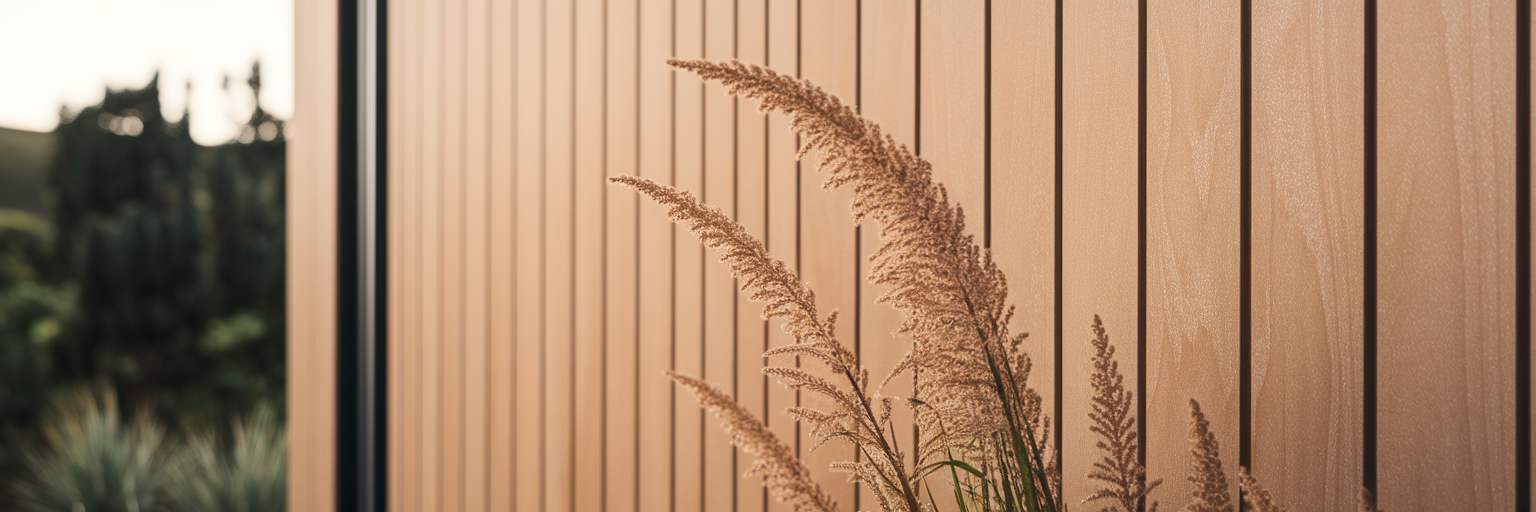
Your retirement should be about enjoying life, not about endless home maintenance. Choosing the right materials from the outset means less work and more peace of mind for years to come. The goal is simple: a home that looks after itself, so you don’t have to.
New Zealand’s weather, with its harsh UV rays and coastal salt spray, can be tough on buildings. Selecting low maintenance building materials for the exterior is a wise investment. Finishes that do not require frequent painting or staining will save you countless hours on a ladder and significant expense over the home’s lifetime. This same long-term approach is explored in Building a Kiwi Home for the Ages.
The home’s core structure is just as important. Modern structural systems like Structural Insulated Panels (SIPs) offer exceptional strength and stability. Because they are manufactured in a controlled environment, they are resistant to common issues like warping or shifting. This ensures the integrity of your home for decades. This method is central to our approach with panelised construction, which delivers a robust and precise result. Inside, the same logic applies. Hard wearing flooring that is easy to clean, durable benchtops, and quality wall finishes all contribute to a home that feels fresh and new with minimal effort.
Ultimately, these choices give you back your most valuable asset: time. More time for the garden, for family, or for that hobby you have always wanted to pursue. If you have questions about specific materials for your project, you can always contact our team for advice.
Blending Good Looks with Everyday Practicality
There is a common worry that a practical, accessible home might look sterile or uninspired. We believe the opposite is true. A thoughtfully designed home is one where beauty and function exist in perfect harmony. A great retirement home design proves that you never have to sacrifice style for safety.
Here is how to achieve that beautiful balance:
- Colour and Light: The right colours can transform a space. Lighter wall colours make rooms feel larger and brighter, which is a natural aid for aging eyes. This does not mean your home has to be all white. Carefully placed warm tones and textures can create a cosy, inviting atmosphere that feels both spacious and intimate.
- Stylish Accessibility: Practical features can be beautiful design elements. Instead of clinical looking grab bars, choose elegant lever style door handles that are easy for anyone to use. There are now many stunning non slip flooring options that look like natural wood or stone while providing secure footing.
- Simple Smart Home Tech: Technology can add a wonderful layer of convenience and security. Imagine adjusting the lights or heating from your armchair using your phone, or checking who is at the door without getting up. These simple tools can make daily life easier and more comfortable without being complicated.
A future proof home is the ultimate expression of thoughtful design. It is a space that not only works perfectly for your needs but also feels wonderful to live in. If you are ready to discuss your vision for a home that will support you for years to come, we invite you to book a meeting with us.