The Growing Appeal of Multi-Generational Living in New Zealand
More Kiwis are choosing to live with multiple generations under one roof, a trend that feels less like a new idea and more like a return to the deep rooted value of whānau. The reasons are practical and deeply relatable. With the rising cost of living, pooling resources makes mortgages and household bills far more manageable. It also creates an invaluable support system. Think of the relief for working parents who have grandparents on hand for childcare, or the comfort for elders who have family close by for companionship and support.
These benefits are not accidental. A home that successfully supports everyone is the result of intentional planning, not just good luck. Creating effective whānau housing solutions means thinking carefully about how your family will live together. It requires a thoughtful approach right from the start, which is why we always recommend exploring the fundamentals before we get started on any project.
Finding the Sweet Spot Between Togetherness and Personal Space
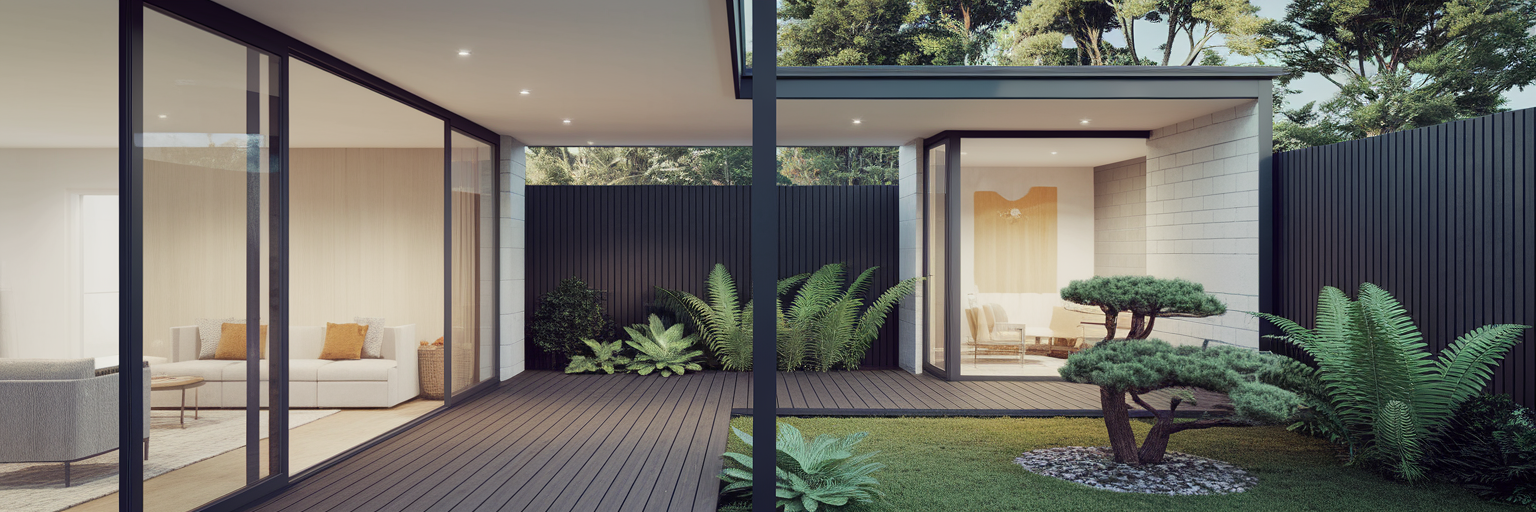
The success of a multi generational home often hinges on one critical factor: balancing shared life with the need for personal space. We all know that feeling of needing a quiet moment away from the household buzz. Without it, even the closest families can feel the strain. The goal is to design a home where everyone feels they have a place to retreat, not just a bedroom to hide in. This is about creating genuine autonomy within the family unit.
Achieving this balance means creating distinct private sanctuaries. These spaces give family members the freedom to recharge, entertain their own friends, or simply enjoy some quiet time. Consider these practical ideas.
- Self Contained Units: When it comes to building a granny flat, NZ families often find that a small, self contained unit with its own kitchenette and bathroom offers the perfect solution. It gives grandparents or a young adult complete independence while keeping them connected to the main home. We have seen how these infill dwellings can transform a property.
- Separate Lounges: A second living area can be a lifesaver. It might be a dedicated space for teenagers to watch movies with their friends, or a quiet sitting room where someone can read a book without interruption from the main television.
- Private Entries: A separate entrance can give a family member a powerful sense of autonomy. It allows them to come and go according to their own schedule without feeling like they are disturbing the rest of the household.
By creating these deliberate zones of retreat alongside zones of connection, you empower everyone to choose their level of interaction throughout the day, fostering harmony for the long term.
Clever Ways to Zone Your Home for Different Ages
While the last section focused on the purpose of private spaces, this one explores the architectural strategies used to create them. Zoning is simply the clever arrangement of a floor plan to support the different needs of everyone living there. It is a core part of any good home design for extended family. This isn't just a Kiwi trend either. A report from the Pew Research Center found that the number of Americans in multigenerational households has quadrupled since the 1970s, showing a global shift towards this way of living.
One effective strategy is vertical zoning, which uses different floors to create natural separation. Placing a master suite or a young adult’s bedroom on a separate level from the main living areas provides a distinct sense of privacy. Another key approach is acoustic zoning. We can all picture the frustration of trying to sleep while a movie is playing loudly downstairs. Using materials like high density insulation and solid core doors helps absorb sound, creating quiet havens where they are needed most. Finally, flexible rooms offer incredible value by adapting to changing needs. A single room can serve as a home office during the day, a homework station in the afternoon, and a quiet reading nook in the evening. These decisions are foundational, which is why they are a key focus during the preliminary design phase.
Designing Shared Spaces That Bring Everyone Together

Just as important as private retreats are the communal spaces where family life unfolds. A successful multi generational home design in New Zealand celebrates these areas as the heart of the home. The kitchen, in particular, often becomes the central hub. A large island bench is perfect for kids doing homework while dinner is being prepared. Wide walkways ensure two or three people can move around without bumping into each other, and ample storage keeps the space organised and functional.
The main living area should also be designed for connection. Flexible seating arrangements can accommodate the whole whānau for a movie night, while smaller nooks with comfortable chairs can encourage quiet one on one conversations. In New Zealand, we cannot forget the importance of indoor outdoor flow. A well designed deck or patio with a BBQ area effectively becomes a second living room, perfect for family gatherings on a sunny afternoon. These shared spaces are where memories are made, and thoughtful design, whether through new builds or renovations, ensures they work for everyone.
Future Proofing Your Home with Accessible Design
When we talk about accessible design, many people immediately think of features for the elderly. But the truth is that universal design is about creating a home that is safer and more comfortable for everyone, at every stage of life. It is about thinking ahead. A parent pushing a pram, a teenager on crutches after a sports injury, or a grandparent who finds stairs challenging will all benefit from these thoughtful features. Adhering to universal design principles is one of the smartest investments you can make in your home.
Incorporating these elements from the beginning is far more practical and cost effective than trying to retrofit them later. Consider these simple but impactful features:
- Zero Step Entries: A level entrance removes a common barrier, making it easy for prams, wheelchairs, and anyone with mobility challenges to get inside.
- Wider Doorways and Hallways: This small change makes a huge difference, allowing for easy movement throughout the home for everyone, this also makes the spaces feel luxurious.
- Walk In Showers: A shower without a curb is not only stylish but also much safer. Including a built in bench and reinforcing walls for future grab bar installation adds long term value.
- Lever Handles and Taps: These are far easier to operate than traditional round knobs, especially for those with limited hand strength, like young children or older adults.
These are the kinds of details we focus on during the developed design stage to ensure your home serves your family for decades. If you would like to discuss how these ideas could work for your whānau, we encourage you to book a meeting with our team.
Keeping Your Larger Home Warm and Affordable

A common worry with a larger, more populated home is the cost of keeping it warm and comfortable. This is where smart design becomes a powerful financial strategy. Creating energy efficient homes in New Zealand is not just about being green, it is about keeping your household budget in check. The single most effective way to reduce heating bills is with superior insulation in the ceiling, walls, and underfloor. It acts like a warm blanket for your home, keeping the heat in during winter.
High performance windows, especially double glazing, are another essential component. They prevent precious heat from escaping, which is a common problem in many older Kiwi homes. When choosing appliances, look for high energy star ratings to ensure they run efficiently. Smart solutions like zoned heating systems also offer intelligent control, allowing you to heat only the occupied areas of the house. Our focus on high performance design ensures your home is not only comfortable but also affordable to run for years to come.