Laying the Groundwork for Easy Living
For many Kiwis, retirement means adjusting to a fixed income, where every dollar counts. This financial reality makes the cost of running and maintaining a home more important than ever. A draughty, high maintenance house can quickly become a source of stress, eating into your savings and peace of mind. This is where the idea of a future proof home comes in. It’s not about complicated technology, but about smart, forward thinking design that creates a home that is comfortable, safe, and affordable for years to come.
A key part of this approach is aging-in-place home design. This simply means creating a home that supports your independence as you get older, allowing you to stay in the community you love without needing to move. It’s about designing for freedom and ease. To achieve this, we focus on three core pillars: adaptable layouts for easy movement, low energy features to keep bills down, and durable materials that reduce upkeep. Understanding these elements is the first step, and you can learn more about what happens before we get started on a project like this.
Designing for Everyday Comfort and Mobility

An adaptable layout is the foundation of a home you can enjoy for a lifetime. The most effective strategy is single level living, which removes the daily obstacle of stairs. If a two storey home is necessary, designing it with the main bedroom, a full bathroom, and the kitchen on the ground floor provides a practical long term solution. This isn't just about planning for future limitations, it’s about creating a more convenient home today.
Think about the simple act of bringing in the groceries. Wider hallways and doorways make everyday tasks easier, while also accommodating mobility aids if they are ever needed. Another crucial element is creating step free access. This means no awkward steps at the front door and a seamless transition from your living area to the deck or garden. Removing these small barriers significantly reduces trip hazards and makes the home feel more open and connected.
Beyond the main layout, several smaller accessible home modifications make a huge difference to daily comfort:
- Lever style door handles and taps are much easier to use than round knobs, especially for anyone with stiff or arthritic hands.
- Non slip flooring in the bathroom, kitchen, and laundry provides extra security in areas where spills are common.
- Placing power points slightly higher up the wall means less bending and straining to plug things in.
- Good, even lighting throughout the home improves visibility and reduces eye strain, making every space safer and more pleasant.
When planning new build homes, integrating these features from the very beginning is the most seamless and cost effective way to ensure your home supports you for decades.
Smart Choices for a Warmer Home and Lower Bills
Managing monthly expenses becomes a priority when living on a fixed retirement income. As research from Massey University on retirement expenditure guidelines highlights, NZ Super often doesn't cover the costs of a comfortable lifestyle, which makes reducing household bills essential. Your home's energy use is one of the biggest factors you can control. Creating one of the great low energy homes New Zealand has to offer is less about sacrifice and more about smart investments in your comfort and financial freedom.
The single most effective step is installing high performance insulation that exceeds the minimum building code requirements. This creates a thermal envelope that keeps your home consistently warm in winter and cool in summer. Paired with quality double glazed windows, it stops heat from escaping and also reduces outside noise. This level of comfort and efficiency is a core part of high performance design.
To further reduce reliance on the grid, installing solar panels allows you to generate your own power, which can dramatically lower or even eliminate your electricity bills. Finally, when choosing appliances, always look for a high energy star rating. A more efficient fridge or washing machine might have a slightly higher upfront cost, but it will deliver significant savings over its lifespan.
Building to Last with Less Upkeep
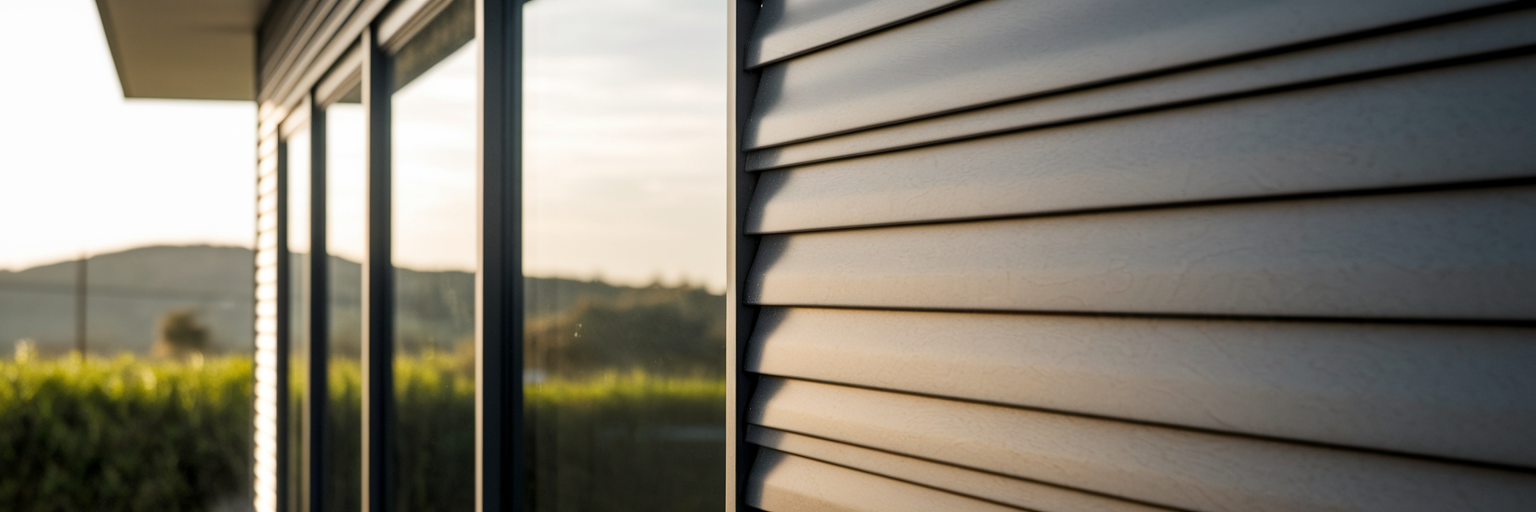
Retirement should be a time for enjoying your hobbies, family, and community, not for spending weekends on a ladder with a paintbrush. Choosing low maintenance and durable building materials NZ is one of the most valuable retirement home building tips, freeing up both your time and your money. For the exterior, materials like brick or metal cladding are excellent choices for withstanding New Zealand’s strong UV rays and coastal air, eliminating the need for regular painting.
This same thinking applies to your outdoor spaces. Instead of a traditional timber deck that needs yearly staining, consider composite decking that resists rot and fading. In the garden, planting native grasses and shrubs that are suited to your local climate means less watering and work. Inside, hard wearing surfaces like engineered stone benchtops and quality flooring will resist the scratches and stains of daily life, keeping your home looking good with minimal effort. A high quality, long lasting roof is another critical investment, providing the ultimate peace of mind against the elements. These principles are central to modern methods like panelised construction.
If you have more questions about material options, our frequently asked questions page may have the answers you need.
Balancing Practical Design with a Personal Touch
A common concern is that a practical, future proofed home might feel sterile or impersonal. The truth is that thoughtful design ensures the opposite. Accessibility features can be integrated so seamlessly that they become invisible. A wider hallway simply feels generous and spacious, while stylish lever handles can be a beautiful design element. It’s about making smart choices that enhance your home, not detract from it.
Simple decisions about light and colour can make a space feel larger, brighter, and more welcoming, which also helps with visibility as we age. Another key is designing flexible rooms. A spare bedroom can easily serve as a home office, a hobby space, or a comfortable room for when the grandkids come to stay. This adaptability ensures your home evolves with your lifestyle. The ultimate goal is to create a home that not only supports your future needs but also deeply reflects your personality and taste. At Modal, we believe in creating homes that are both beautiful and practical, a true sanctuary for our clients. You can see this philosophy in our work at modal.archi. To start the conversation about your own project, you can book a meeting with our team.