
The Rise of Backyard Dwellings in Kiwi Cities
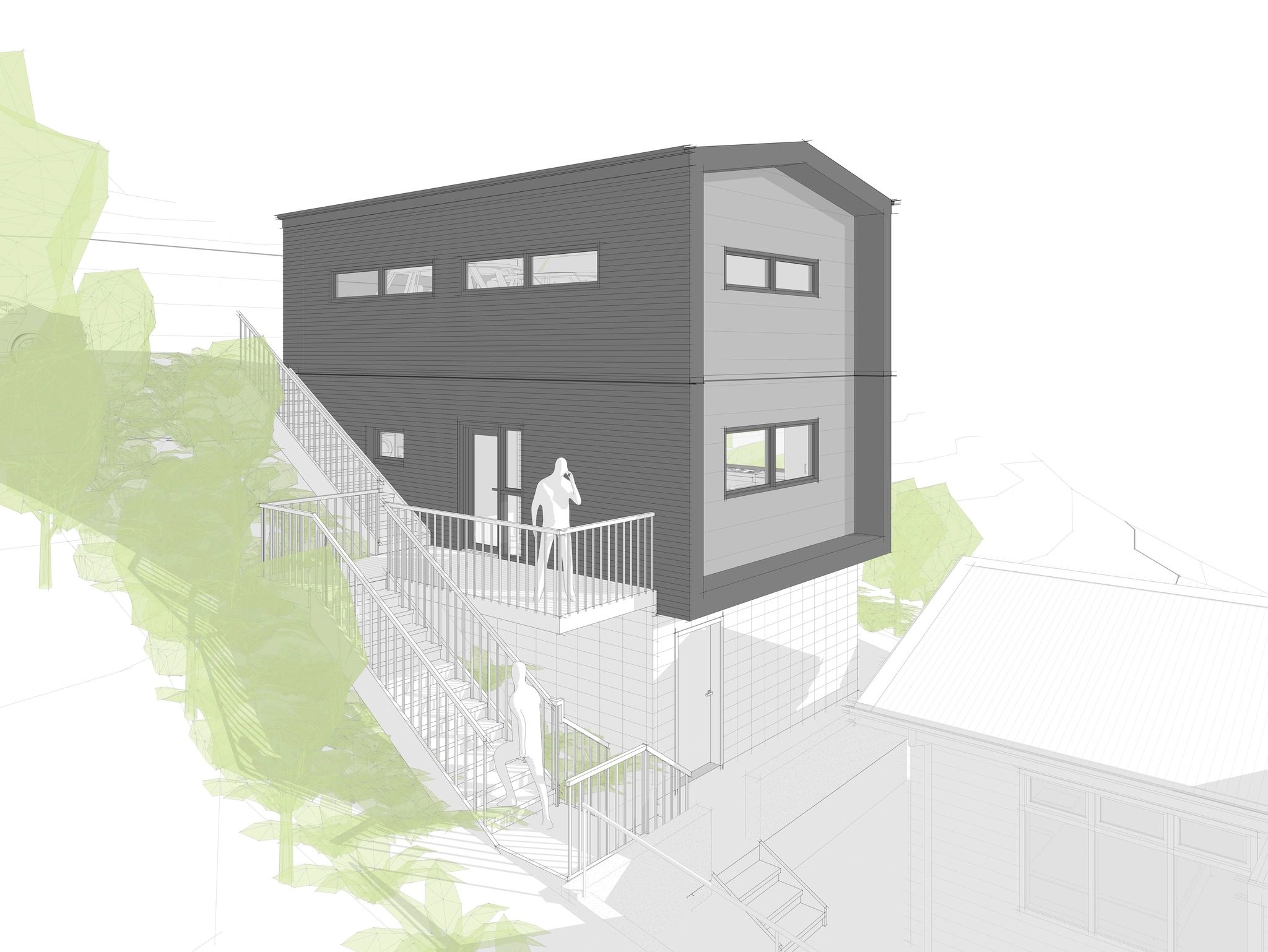
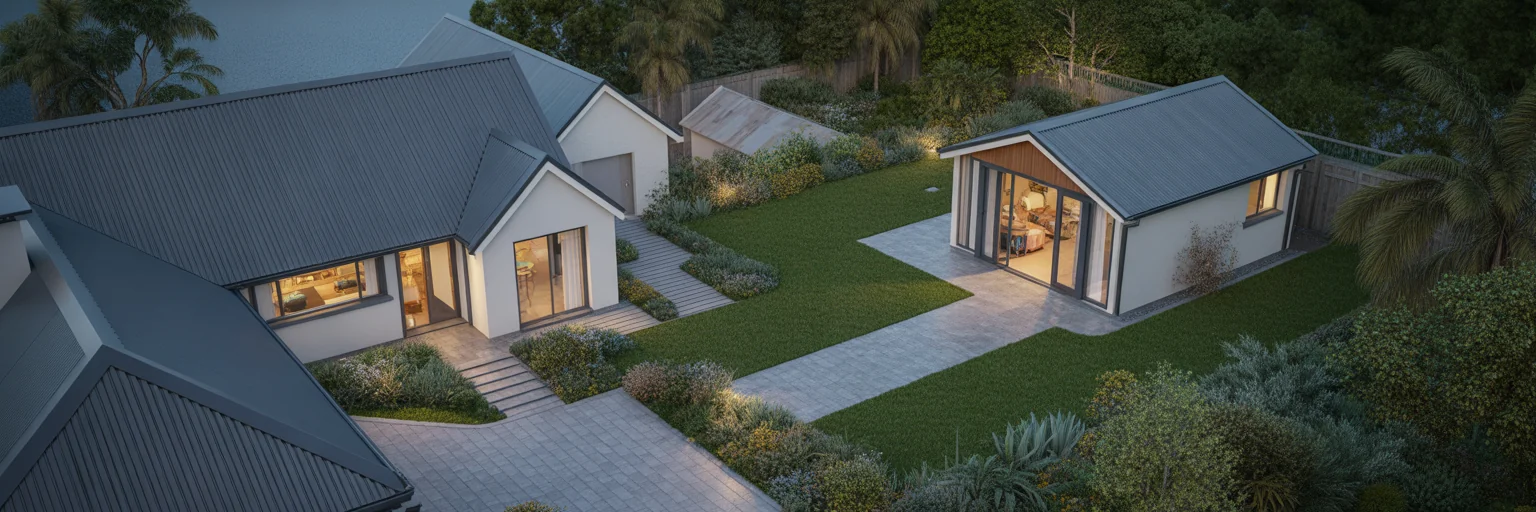
The classic Kiwi backyard, once reserved for cricket pitches and vegetable patches, is finding a new purpose. As our urban centres in Auckland, Wellington, and Christchurch continue to grow, property owners are looking at their own land for solutions. This has led to the rise of infill housing NZ, a strategy that turns underused space into a valuable asset. Our broader guide to infill housing explains the design and development context behind these projects.
Building a smaller, secondary home on an existing property is more than just construction. It is a practical way to generate a new rental income stream and significantly increase rental yield. These modern backyard dwellings appeal to a wide range of people. Think of the young professional seeking a city base, or perhaps older parents wanting to live closer to family without sacrificing their independence. By thoughtfully planning one of our infill dwellings, you are making a strategic move to make your property work harder for you.
Designing for Space and Flow

The success of a smaller home hinges on how it feels, not just its size. When it comes to designing a minor dwelling, clever architectural thinking can make a compact footprint feel generous and welcoming. It is the difference between a cramped box and a home that breathes. Before you even begin the preliminary design process, understanding these principles is key. On a constrained site, it is also worth considering the wider site planning for a second dwelling, including access, orientation, services and the relationship with the existing home.
A truly space efficient home design focuses on flow and functionality. We have seen in our completed projects how a few key strategies can transform a space.
- Open plan living is a popular choice for a reason. By combining the kitchen, dining, and living areas into one fluid space, you create a sociable hub that feels larger and more flexible for daily life.
- We all know that feeling of a home overrun with clutter. Clever, integrated storage is the solution. Think built in wardrobes that reach the ceiling, hidden drawers under stairs, or custom cabinetry that makes every square centimetre count.
- A strong indoor outdoor connection is essential to the New Zealand lifestyle. Large sliding doors that open onto a deck or patio effectively extend your living area, blurring the line between inside and out and inviting in natural light.
- Multi functional design makes your home work smarter. A kitchen island can easily double as a breakfast bar or dining table, while a study nook can be cleverly concealed within a cupboard, ready to be used when needed.
These design choices are not just about aesthetics. They are practical decisions that directly improve the living experience and make a property far more appealing to tenants.
Amenities That Attract Quality Tenants
Once the layout is sorted, the details within the home are what truly attract and retain quality tenants. We have all seen rental listings with dark, dated kitchens. In a competitive market, a modern and well equipped kitchen, even in a compact dwelling, is a major drawcard. Good lighting and quality appliances signal that a property is well cared for.
This same principle applies to the bathroom. A high quality bathroom with good ventilation, smart storage, and reliable fixtures creates a sense of comfort and daily luxury. It moves the space beyond pure function. But perhaps the most critical amenity today is something you cannot see. We have all felt the frustration of a lagging video call. For the growing number of tenants who work from home, reliable, high speed internet connectivity is completely non negotiable. It is as essential as hot water.
Adding simple conveniences like keyless entry can also make a property stand out. These thoughtful amenities are not just expenses. They are investments that justify a higher rent and attract tenants who will appreciate and look after your property.
Sustainable Features That Lower Costs

Thinking about sustainability can feel like a big topic, but for a rental property, it is a very practical financial strategy. Investing in sustainable rental properties leads directly to lower running costs for tenants, making your property more desirable and ultimately improving your net rental yield. It is a win win situation.
Our approach to high performance design focuses on a few key areas that deliver tangible benefits.
- High levels of insulation and double glazing are the foundation. They create a warmer, drier, and healthier home that is cheaper to heat. This is a powerful selling point for tenants who are tired of cold, damp rentals.
- Energy efficient systems make a noticeable difference to monthly bills. Features like LED lighting, modern heat pumps, and even solar panels can significantly reduce power consumption. As Energywise.govt.nz highlights, an efficient heating system is crucial for creating a comfortable home.
- Water saving fixtures and rainwater collection systems also contribute to lower utility bills. These features appeal to environmentally conscious tenants and reduce the strain on local resources.
Ultimately, a sustainable home is a smart investment. It reduces ongoing expenses, attracts better tenants, and adds long term value to your property, helping to increase rental yield.
Navigating the Project Pathway
The thought of a building project can feel daunting, but the pathway is clearer than you might think. The first step is understanding your local council's requirements, as rules can vary between districts. Every project needs formal approvals, which usually come in the form of resource and building consents. These ensure everything from environmental impact to construction safety is properly managed. You can learn more about the building consent process on our services page.
It is also wise to check your property title early on for any land covenants or easements that might affect your plans. Alongside navigating consents, planning the financial side is essential.
Having an experienced team to guide you through these stages makes a significant difference. Professional guidance helps ensure a smoother journey from an idea to a completed home. If you are ready to discuss your project, we would love to hear from you. Please get in touch with us.