
Why Timber Cladding Appeals in New Zealand
Timber cladding can give a home warmth, texture and a direct relationship with the natural environment. It can suit contemporary new homes, renovations and holiday homes, but the right species, profile, finish and detailing depend on the site and the architectural intent. If timber is one part of a broader palette, natural materials and enduring Kiwi homes explores how material character and longevity can be considered together.
Durability Depends on Context and Detailing
Timber can perform well as exterior cladding when it is appropriately specified, detailed, installed and maintained. Exposure matters. A sheltered urban elevation and a salt-laden coastal site do not impose the same demands on a material.
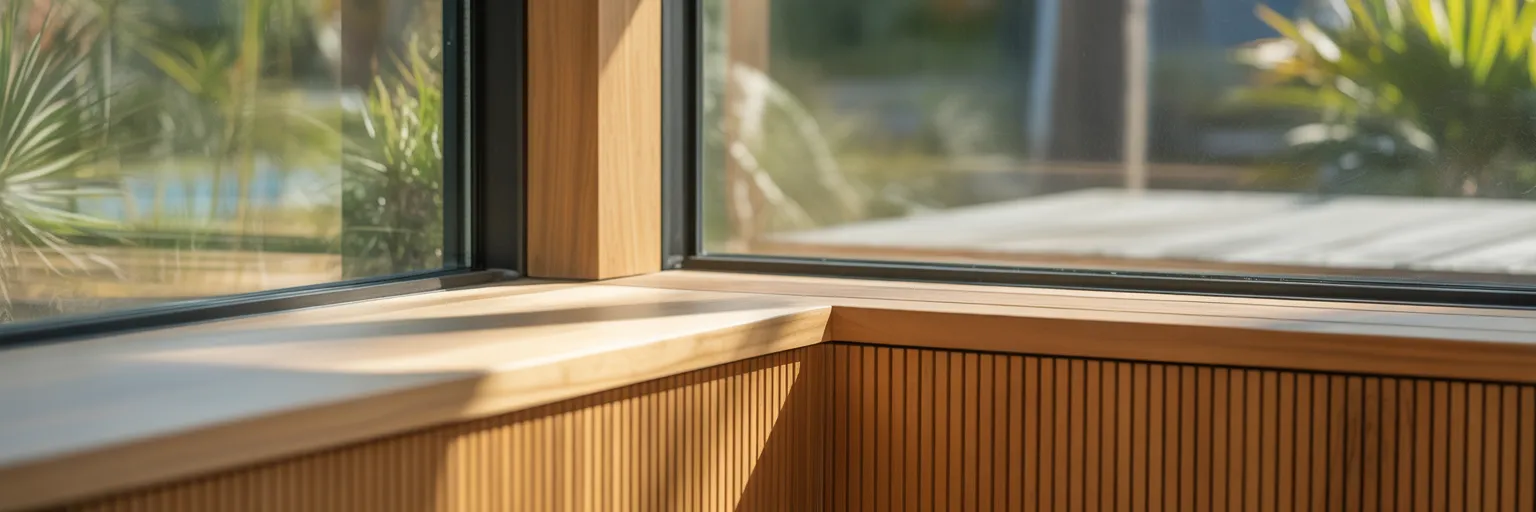
For that reason, material durability should be considered alongside orientation, weather exposure, fixings, coatings and junctions, particularly when designing a home for a coastal section. The small decisions around corners, openings, flashings and transitions are part of the architectural detailing that shapes both appearance and performance.

Appearance, Ageing and Maintenance
Different timber cladding systems can be stained, coated or allowed to weather depending on the product and desired result. That ageing process should be an intentional design decision rather than an afterthought. Homeowners should understand the maintenance requirements of the selected system, particularly on elevations that are difficult to access.
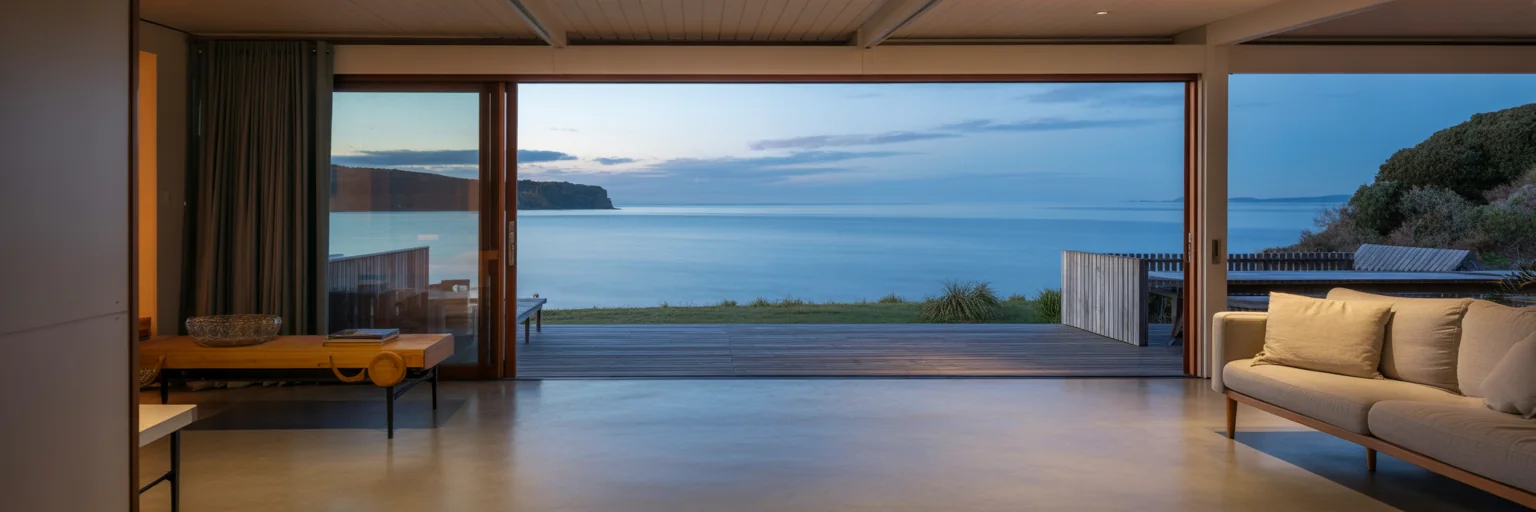
For holiday homes, where owners may not be present every week, that maintenance question becomes especially important. Our guide to creating a lower-maintenance Kiwi bach looks at how cladding, interiors, landscaping and building systems can all reduce ongoing upkeep.
Timber as Part of a Material Palette
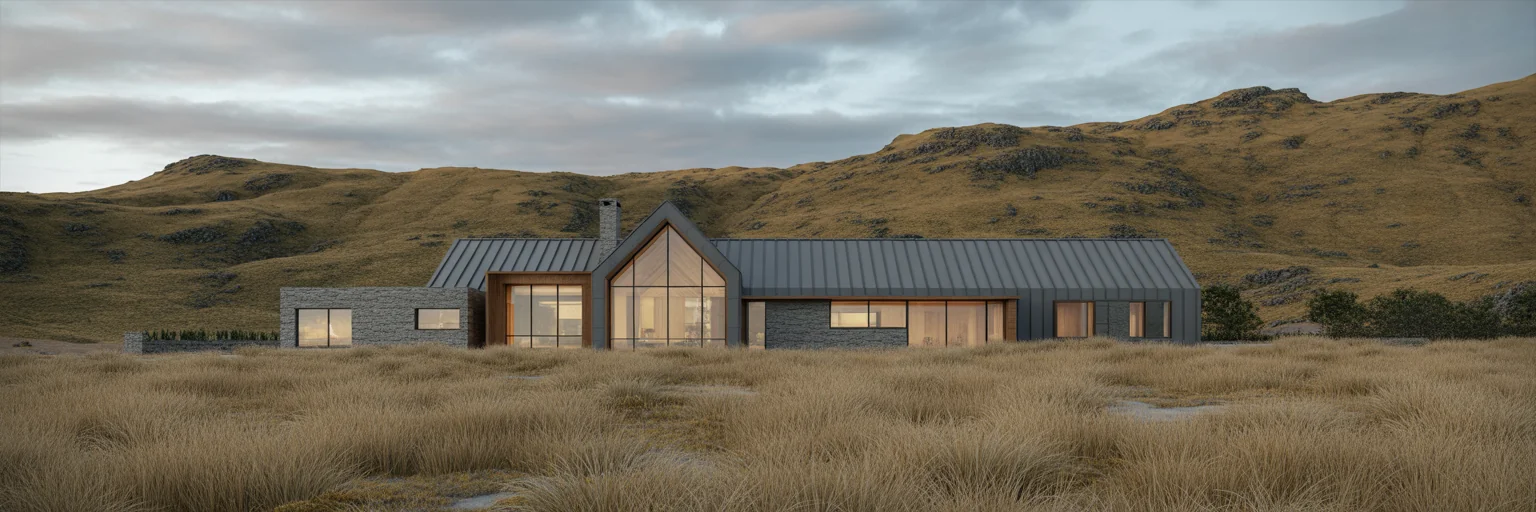
Timber does not need to cover every surface to have architectural impact. It can be paired with stone, concrete, metal or other cladding systems, with repetition and restraint helping the materials read as one composition. A simple material palette can make the timber itself more legible rather than surrounding it with competing finishes.
Product selection also sits within New Zealand's building regulatory framework. As the range of imported and recognised products evolves, it is useful to understand how newer building-product regulations affect material selection.
Choosing Timber for Your Project
Rather than treating timber cladding as inherently right or wrong, assess it against the particular project: architectural character, exposure zone, maintenance expectations, budget, construction detailing and desired ageing. Those factors will determine whether timber is appropriate and how it should be used.
If you are planning a new home, renovation or holiday home, material selection can be developed as part of the wider architectural design rather than as an isolated finish choice.