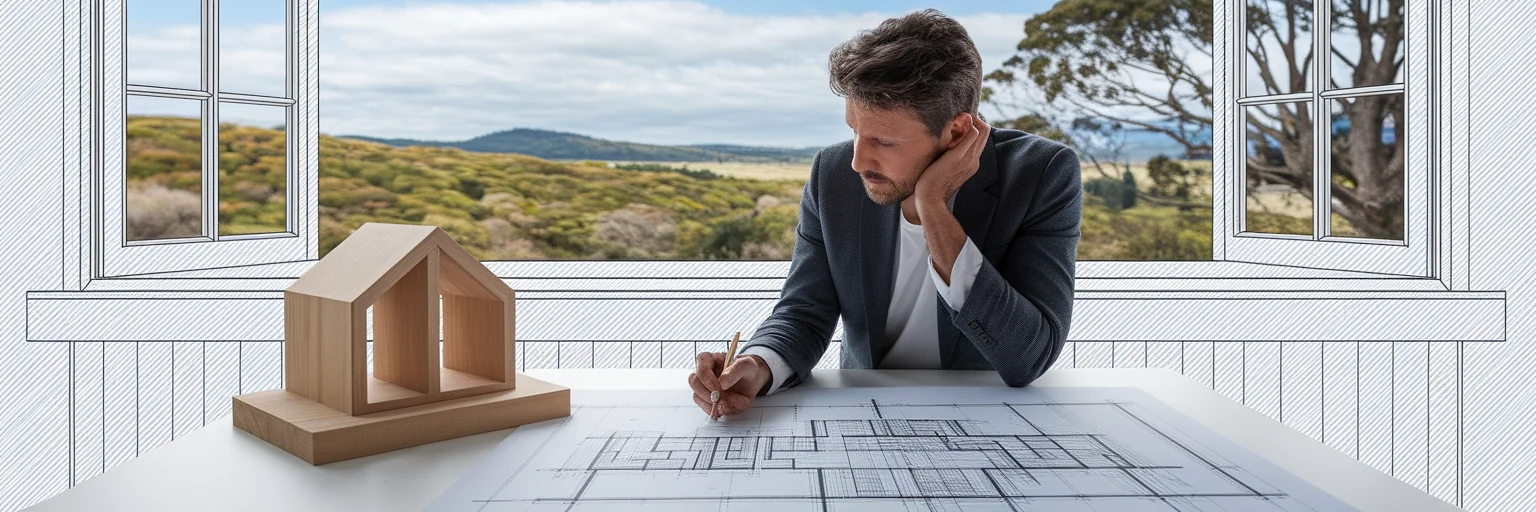

A New Way of Working Together
For a long time, building a home in New Zealand followed a familiar script. An architectural design was completed in isolation, then sent out to various builders for pricing. This separation often creates a disconnect between the design vision and the on the ground realities of construction. We have all seen that moment when a beautiful plan meets a practical hurdle, leading to frustrating compromises.
There is a more integrated and intelligent method. Early Contractor Involvement (ECI) is the simple idea of bringing a builder into the project team during the design phase. They work alongside your architectural designer, contributing their practical knowledge from the very beginning. This approach marks a fundamental shift from a sequential process to a collaborative partnership. It ensures everyone is aligned from the start, transforming the different stages of a project we manage into a single, unified effort.
Achieving Budget Clarity from the Start
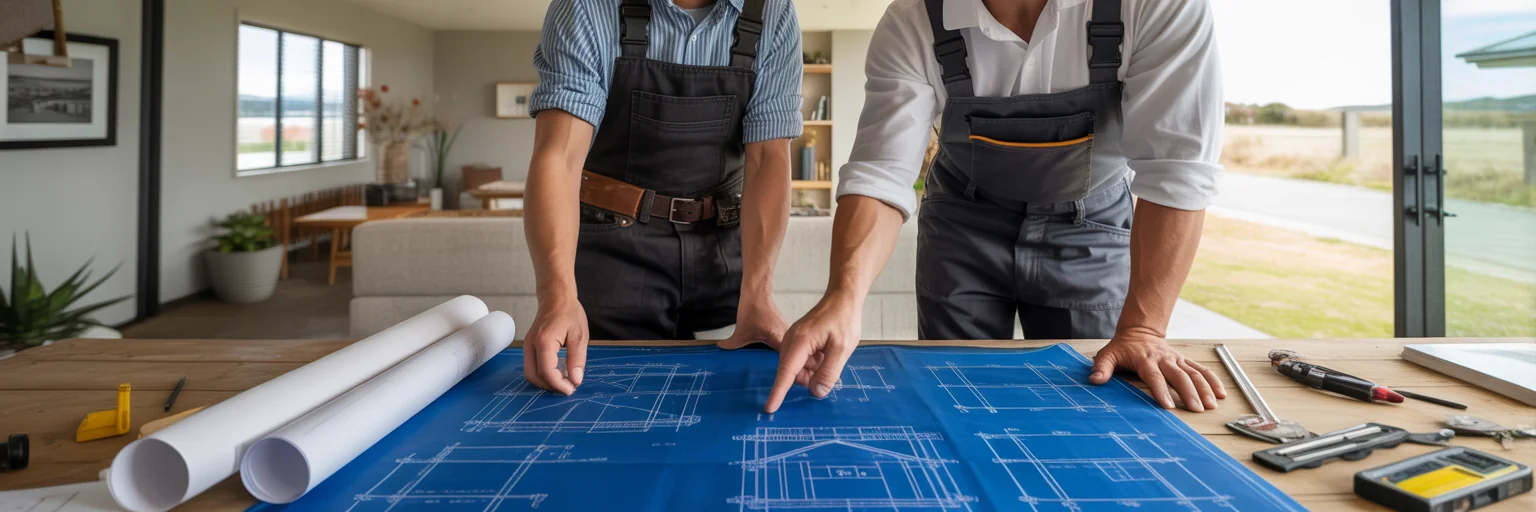
One of the biggest worries for anyone building a home is the final cost. The traditional process can feel like a financial guessing game until the tenders come back, often much higher than expected. This is where the financial clarity of early contractor involvement truly shines. With a builder providing real time costings on materials and labour as the design evolves, you can make informed decisions along the way. This proactive approach helps manage the total cost to build a house and avoids the budget blowouts that happen when pricing is left until the end. Our guide to building a Kiwi home on a realistic budget looks at the wider design decisions that influence cost.
This is also where the concept of 'value engineering' comes into play. It is not about choosing cheaper, lower quality options. Instead, it is about the builder using their experience to suggest practical, cost effective alternatives that do not compromise the architectural intent. They might recommend a different cladding system that achieves the same aesthetic but is quicker to install, or a structural solution that saves on steel.
The key financial advantages include:
- Real time cost feedback during the design phase.
- Smart suggestions for materials and methods to optimise the budget.
- A significant reduction in the risk of expensive on site changes.
Ultimately, solving a potential budget issue on paper is far cheaper than fixing it once construction is underway. This early collaboration provides financial peace of mind.
Creating a Smoother and Faster Build
Beyond the budget, a project's timeline is critical. A beautiful design is one thing, but its 'buildability' determines how smoothly the project will run. Buildability simply means ensuring the architectural vision is practical and efficient to construct, and a builder’s hands-on experience is invaluable here. By having them review plans early, they can spot potential construction challenges before your project even breaks ground. This is a core benefit of the designer and builder collaboration.
This proactive problem solving helps create a more predictable build timeline. It avoids the common on site delays and costly rework that can derail a schedule. As an article from BRANZ on getting the team together highlights, this kind of teamwork is fundamental to successful project management. The logistical benefits are also significant. A builder involved from the start can pre order materials with long lead times, like custom joinery or specific imported tiles common in the new home build process we guide our clients through. They can also schedule their trusted subcontractors well in advance, ensuring the right people and materials are ready at exactly the right time.
Stronger Teamwork for a Superior Home
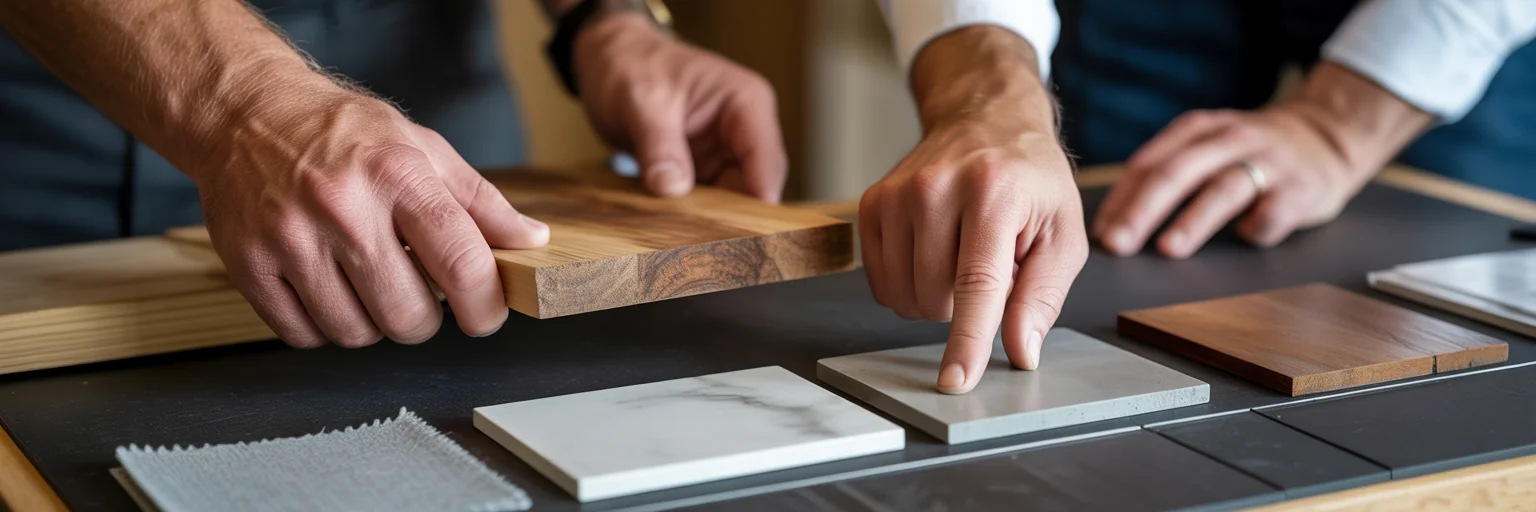
When your architectural designer and builder work as a single, cohesive team from day one, it builds a foundation of mutual respect and a shared understanding of the project’s goals. This moves the relationship beyond a simple contract to a shared mission: creating your ideal home. This close partnership is one of the best ways to protect the integrity of the design. Before construction begins, a clear residential building contract then records the agreed scope, pricing structure, programme and process for variations.
This collaborative spirit is visible in the final quality of the homes, as you can see in the results of our past projects. Communication becomes more fluid and transparent for everyone, especially the client. This approach is central to our philosophy and the people behind our work.
A unified team improves the process by ensuring:
- Problems are solved with a quick conversation, not formal delays.
- The client benefits from clear and consistent communication.
- The entire journey feels less stressful and more collaborative.
That working relationship remains important after the build starts. Our article on what your architectural designer does during construction explains how design clarification, site observations and problem solving can continue through delivery.
The Modern Path to Your Architectural Home
Bringing a builder on board early should not be seen as an extra cost. It is an investment in clearer decisions, more efficient timelines and reduced construction risk. If you are ready to explore this collaborative approach, we invite you to book a meeting with us.