The Modern Whānau Home in New Zealand
The pressure of the housing market, particularly in centres like Auckland and Tauranga, has many Kiwi families rethinking what home looks like. It’s a common conversation around the dinner table: how can we make this work? For a growing number, the answer is found in multi generational living, a practical response to economic reality.
This arrangement is more than just a financial strategy. It’s a modern expression of the traditional value of whānau, where family members support each other under one roof. The tangible benefits quickly add up. Pooling funds can turn the dream of a mortgage into a reality, the burden of bills is shared, and the daily logistics of life become simpler with built in support for childcare or looking after elderly parents.
However, a successful shared home doesn’t happen by chance. We’ve all heard stories of families trying to squeeze into a space not built for them, leading to friction and frustration. A truly successful whānau home design is the result of intentional planning from the very beginning. Thoughtful architecture is what transforms a house full of people into a harmonious home for everyone. This is particularly true for projects starting from the ground up, where the blueprint for well considered new build homes can set the stage for decades of family connection.
Balancing Togetherness and Personal Space
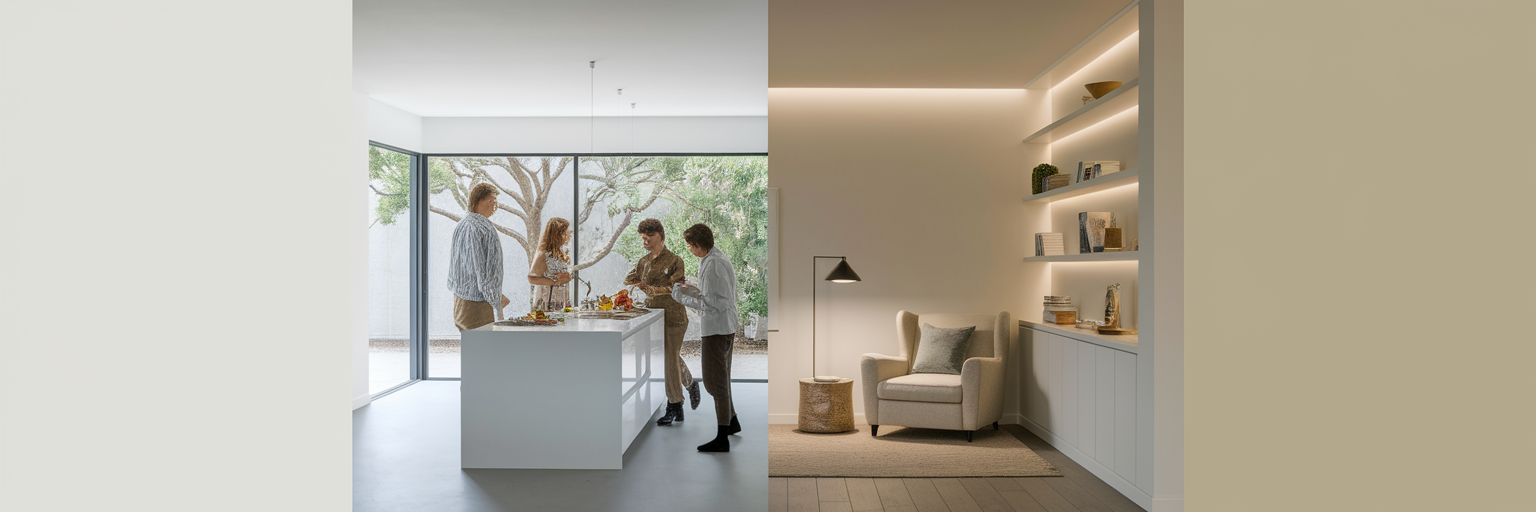
With the decision made to live together, the next question is how to do it without everyone getting under each other’s feet. The answer lies in smart architectural zoning, a strategy that moves beyond simply dividing up rooms to managing the flow of energy and sound throughout the home.
Creating Zones for Harmony
Zoning is about designating different areas of the home for different types of activity. The social heart is often an 'active' zone, like an open plan kitchen and living area where the family can gather for meals, conversations, and shared activities. This is the space designed for noise and connection. In contrast, 'quiet' zones are created for calmer pursuits, offering a place to read a book or have a private chat away from the main household buzz.
The Importance of Private Retreats
Just as important as shared spaces are personal ones. Everyone needs a door to close sometimes, and this is non negotiable for long term harmony. The key to how to create private spaces is to ensure each generation has a place to call their own. These retreats can take many forms:
- A separate small lounge or reading nook for grandparents to unwind.
- A self contained sleepout or studio for a young adult needing independence.
- A dedicated home office or study area for focused work.
- A soundproofed playroom for children that contains noise and clutter.
Achieving this separation isn't just about walls. It's about managing sound. Using solid core doors instead of hollow ones and adding acoustic insulation to internal walls can make a world of difference, preventing the sound of the kids' game from travelling into a home office. For those considering a separate unit on their property, exploring options for infill dwellings can provide the ultimate private retreat.
A Home Designed for Every Age and Ability
A home that works for a toddler must also work for their great grandmother. This is the core idea behind 'universal design', a forward thinking approach to building for extended family. It means creating a home that is inherently safe, comfortable, and accessible for everyone, regardless of their age or mobility.
Instead of designing for a specific need, universal design incorporates features that benefit everyone. A single thoughtful choice can make daily life easier for both the youngest and oldest members of the household.
Beyond these examples, other safety considerations are vital. Non slip flooring in bathrooms and kitchens reduces the risk of falls, while secure fencing provides peace of mind for families with young children. Features like wider hallways and no step entries are crucial for ensuring a home remains functional for all ages and abilities. These choices are not just for today. They are about future proofing the home. A ground floor room that serves as a home office now could easily become a bedroom for an older parent later on. This adaptable approach is central to a developed design process, ensuring the home has longevity and can evolve with the family’s changing needs.
Efficient Solutions for a Larger Household
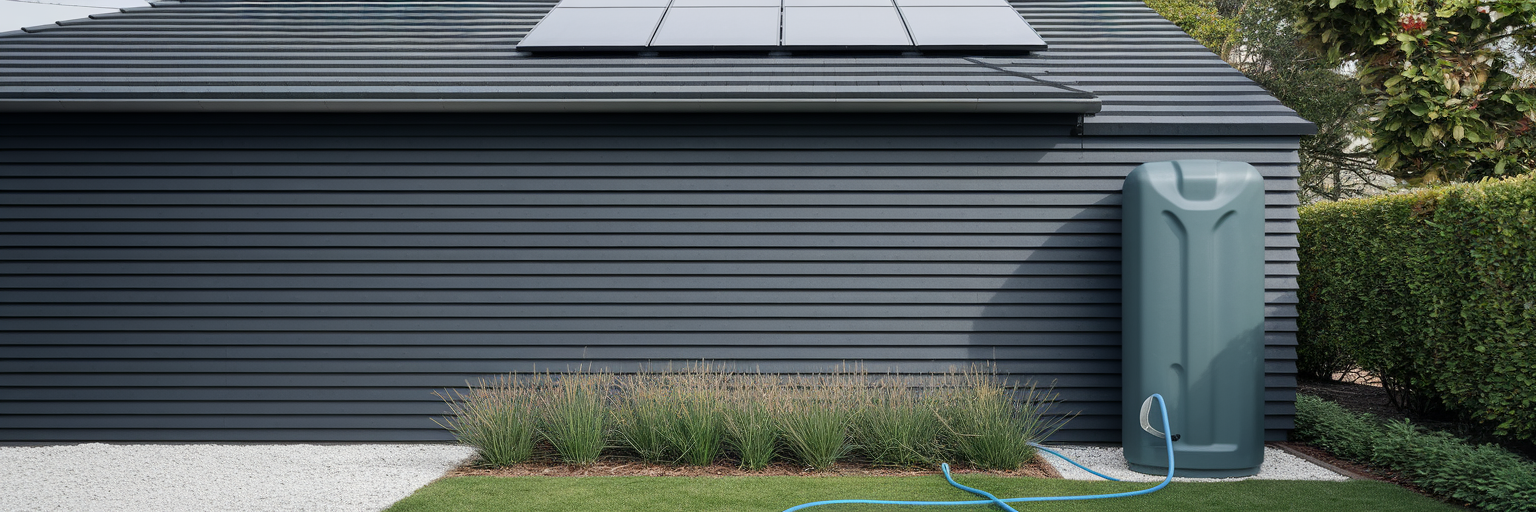
More people under one roof naturally means higher running costs. This is a practical reality that can be managed with a smart approach to energy. For a larger household, efficiency isn't just an environmental nice to have, it's a crucial financial strategy for keeping bills in check.
Investing in the right features from the start delivers long term savings and creates more comfortable energy efficient homes. Some of the most effective solutions include:
- Investing in comprehensive insulation for ceilings, walls, and underfloor areas.
- Installing double glazed windows to minimise heat loss during colder months.
- Fitting solar panels on the roof to generate your own electricity and lower power bills.
- Using a zoned heating system to control temperatures in different parts of the house independently.
These solutions work together. For example, high grade insulation and double glazing create a tight thermal envelope, meaning your heating system doesn't have to work as hard to keep everyone warm. In fact, an analysis by SolarTech shows that a truly energy efficient design can significantly lower energy use compared to standard construction. Zoned heating adds another layer of intelligence, allowing you to heat only the living areas during the day and bedrooms at night. For those wanting to achieve the best possible outcomes, learning about high performance design is a great next step, and modern methods like panelised construction can also contribute to a more efficient build.
Fostering Harmony Through Thoughtful Design
Ultimately, a well designed multi generational home is the foundation for family wellbeing and connection. Success lies in achieving a thoughtful balance of shared time and personal space, creating a home that is adaptable for the future, and ensuring it runs efficiently for everyone.
This approach transforms a house from a simple building into a supportive, joyful environment for your entire whānau to thrive in for years to come. If you are ready to explore how these ideas could work for your family, we invite you to book a meeting to discuss your project.