Your first meeting with an architect or architectural designer is an opportunity to establish the project, assess fit and identify the next useful step. You do not need a complete brief or a finished floor plan. You do need to explain what you hope to change and why.
What should you bring?
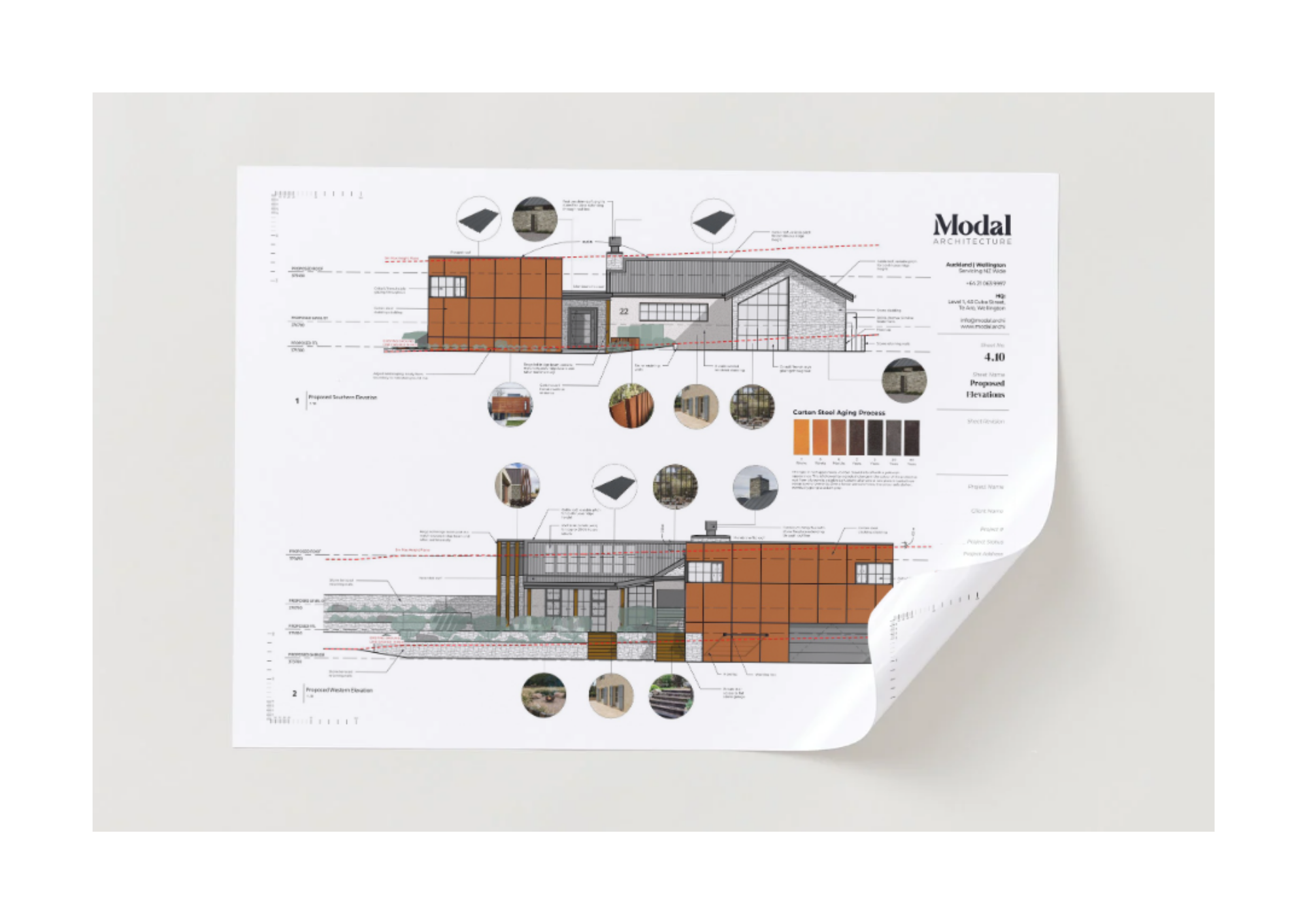
Provide the property address, available plans, surveys or relevant records, and photographs that explain the site or existing home. If you have already received planning, engineering or builder advice, bring that too.
A short list of priorities and a few annotated reference images are useful. Explain what appeals to you in each image rather than assuming the designer will interpret it the same way.
Expect a discussion about your life
The team should ask how the household uses the home, what is frustrating now and what may change in future. These questions help distinguish a genuine requirement from an assumed solution.
If you arrive with an extension in mind, the conversation may test whether rearranging existing space could achieve the same outcome. That exploration is part of understanding the brief, not a dismissal of your idea.
Talk openly about budget and timing
State the overall amount you are prepared to invest and what you expect it to include. If you are uncertain, say so. The next step may be a feasibility study or cost-informed exploration rather than a full design appointment.
Explain the reasons behind your dates. A preferred start, a funding milestone and a fixed relocation requirement have different implications for the programme.
Ask how the practice would lead the work
Discuss the likely project lead, design stages, specialist input and decision points. Ask how the team communicates and how it would adapt to the amount of involvement you want.
For a time-conscious client, a useful answer explains how recommendations, choices and actions will be organised. It should not depend on you coordinating every consultant yourself.
Agree the next defined step
The meeting may lead to a proposal, a site review or further investigation. Ask what that step will answer, what it costs and what information is required from you.
Do not assume the initial discussion includes design work or formal feasibility advice unless that has been agreed. Clarify the consultation's scope and any fee when arranging it.
Should I expect a design solution immediately?
No. Initial observations can be helpful, but a considered proposal requires time and reliable information. The first meeting should establish direction and confidence in the process.
What if I am still deciding whether to proceed?
That is a valid starting point. Explain the decision you need to make. A focused early appointment may help you assess the property's potential and the likely commitments before commissioning later stages.
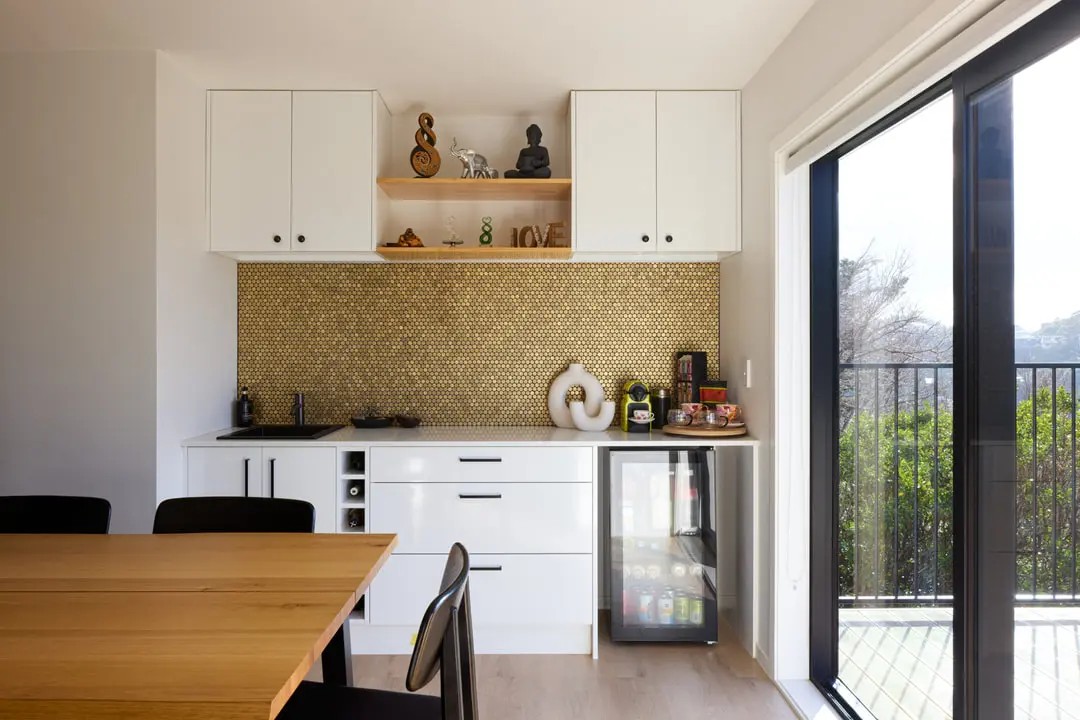
Photography: Mitchell St Extension, Modal Architecture. Photography Credit - Jason Mann.
Planning your project
Explore Modal's new build architecture, renovations architecture, or book a conversation about your property and priorities.