We were recently approached by Waterford Press to feature Modal Architecture in Business North Magazine, with the conversation focusing on our approach to high-performance homes, residential design and the growth of the practice.
It was a welcome opportunity to talk about something that sits at the centre of how we work: designing homes that look considered, perform well and are genuinely comfortable to live in.
The resulting Business North feature explores Modal Architecture’s growth since the practice was established in 2021, our work across New Zealand, and why we regularly encourage clients to think beyond minimum Building Code requirements when designing a home.
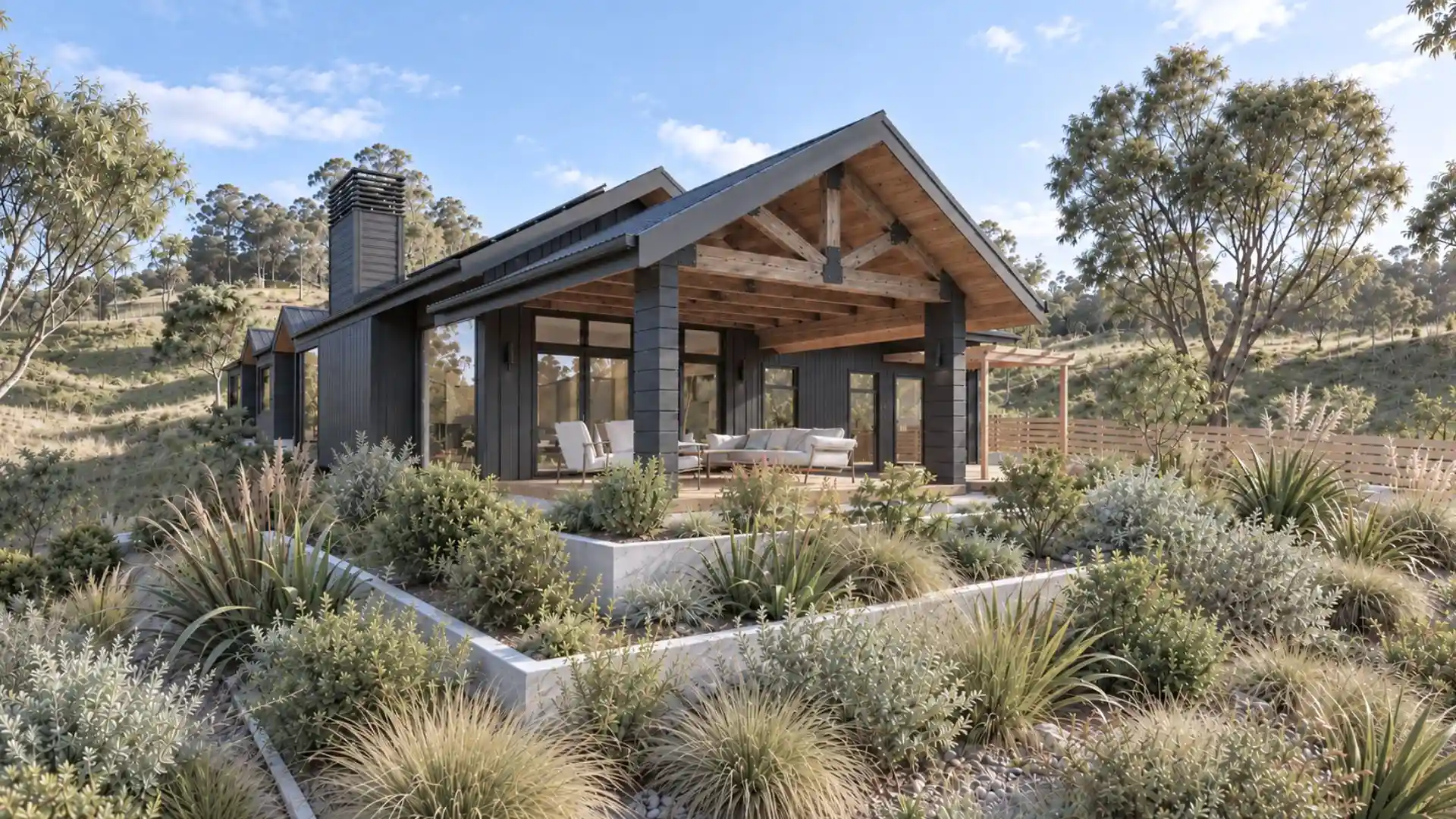
Bringing More Science Into Residential Design
For us, high-performance design does not mean every home needs to become an experimental building or pursue a particular certification. It starts with getting the fundamentals right.
Orientation, solar gain, shading, insulation, glazing, ventilation and the overall building envelope can dramatically influence how a home feels throughout the year. These decisions are much easier, and often more cost-effective, when they are considered from the beginning of the architectural design process rather than added later.
Business North picked up on this approach, including our belief that good residential architecture should combine thoughtful design with an understanding of building science. A beautiful home matters, but so does what happens when you actually live in it on a cold July morning or a hot February afternoon.
Designing Around the People Who Will Live There
One of the things we enjoyed discussing with Business North was the relationship between performance and bespoke design.
High-performance principles are not a substitute for good architecture. They are another tool we can use to create a better home around a client’s lifestyle, site and priorities.
The feature highlights our Quail Rise Residence in Queenstown, where enhanced insulation, deliberate solar shading, large areas of glazing and careful orientation are being considered alongside views, privacy, low-maintenance materials and the owners’ long-term retirement plans.
That balance is important to us. Performance should support the architecture and the people living in it, rather than dictate what a home has to look like.
Looking at Better Ways to Build
That same thinking is also influencing how we approach construction.
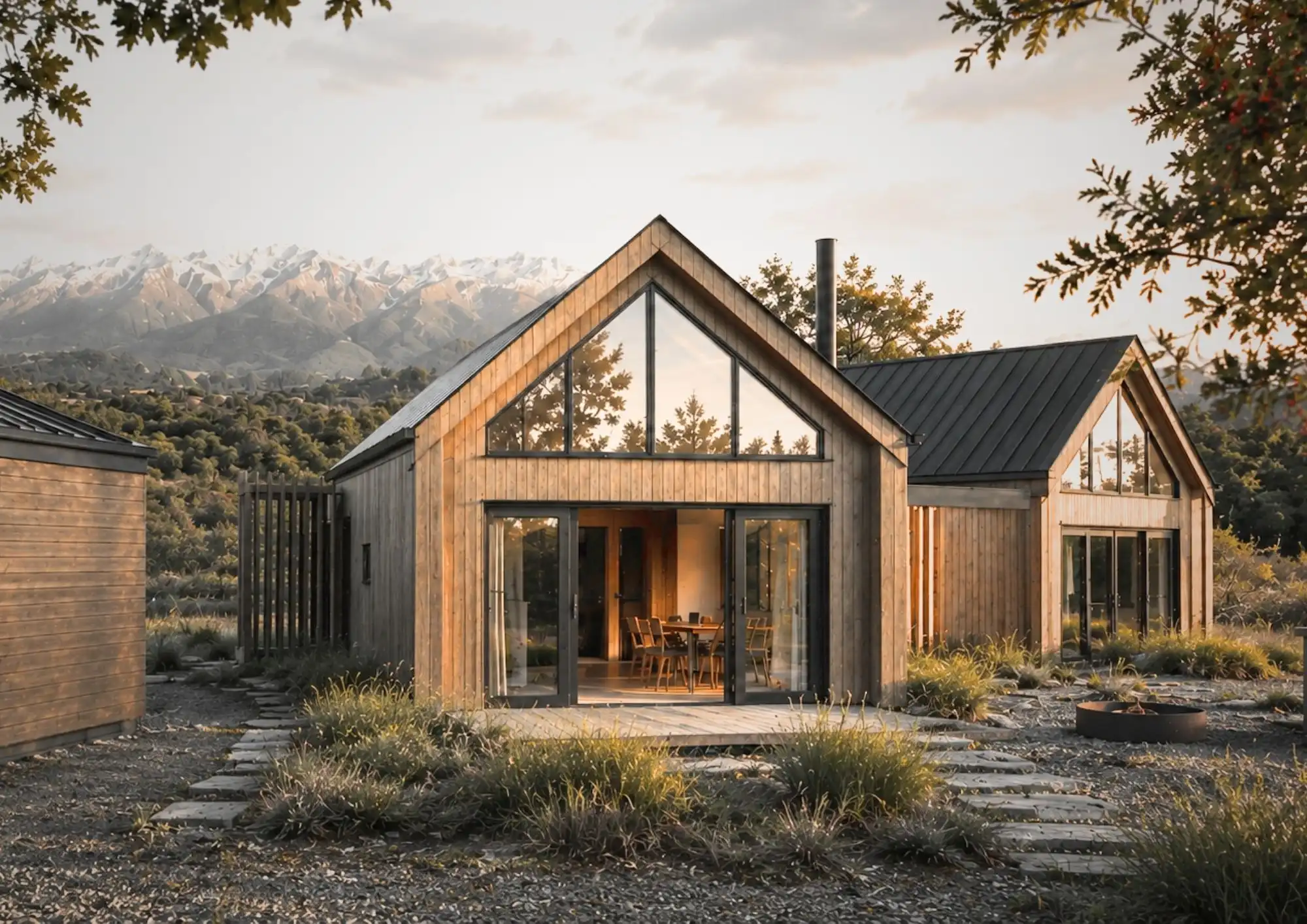
Alongside conventional residential construction, Modal Architecture is exploring opportunities for off-site and panelised construction, including our work with Flexi Panels.
For the right project, combining thoughtful architectural design with modern construction methods can provide another pathway toward well-built, efficient New Zealand homes. Off-site manufacturing can offer greater precision, reduced site waste and faster enclosure, while still allowing the architecture to respond to a specific client and site.
A Nice Moment for Modal
Being approached by Waterford Press was a welcome opportunity to reflect on how Modal Architecture has developed and what we want the practice to keep standing for.
We have grown significantly since starting in 2021, but the objective remains straightforward: work closely with our clients, solve the real problems presented by each site and brief, and design homes that are enjoyable places to live.
It is great to see that approach recognised in Business North, and we appreciate Waterford Press taking the time to tell a little of the Modal story.