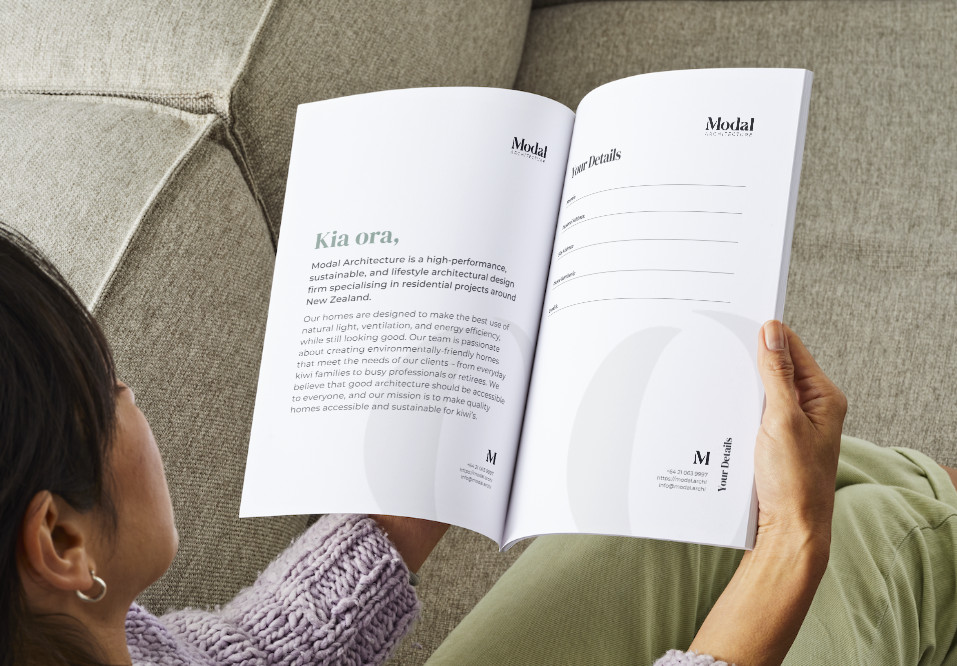
Bring your property address, overall investment budget, preferred timing and a short list of what your home needs to do. Existing plans, site information, photographs and a few annotated reference images are helpful if available.
Describe how you want to live
Start with the daily experience you want to improve. Explain who will use the home, how you entertain, whether you work from home and what is frustrating about the current arrangement. Separate essential requirements from ideas you would like to explore. You do not need a finished floor plan or a polished presentation.
Share your investment priorities and programme
Explain what you want the investment in your home to achieve for your lifestyle or family. Treat architectural fees as an investment in the design and coordination needed for a successful project. Give an overall investment limit and explain whether it includes GST, consultant fees, council charges, landscaping and any temporary accommodation. A construction allowance alone is not the same as the total project budget. Mention any fixed dates, such as a lease ending, while allowing the design team to assess whether the programme is realistic.
Gather the information you already hold
Useful documents include existing drawings, a survey, title information, a LIM or council property file and previous consent records. Photographs can help explain the existing house and access. If you have not obtained these yet, ask which information is worth commissioning first rather than paying for reports that may not suit the intended work.
Use reference images with a short explanation
A small selection is usually more useful than hundreds of unannotated images. Explain whether you like the light, material, proportions, outlook or atmosphere. At the meeting, ask about the next stage, deliverables and fee proposal. You can book a conversation with Modal and explore our process to understand what follows.