Two people and a large extended family ask different things of a house. At Orui, Chris and Janna wanted both patterns of occupation to work: everyday retirement at Riversdale Beach and holidays when several generations could gather under the same roof.
They were introduced to Modal Architecture during the business’s first three months. Their brief required substantial shared accommodation without losing a private place for the couple. The architectural task was to give those different uses a clear relationship, with enough separation for the house to remain useful when occupation changed.
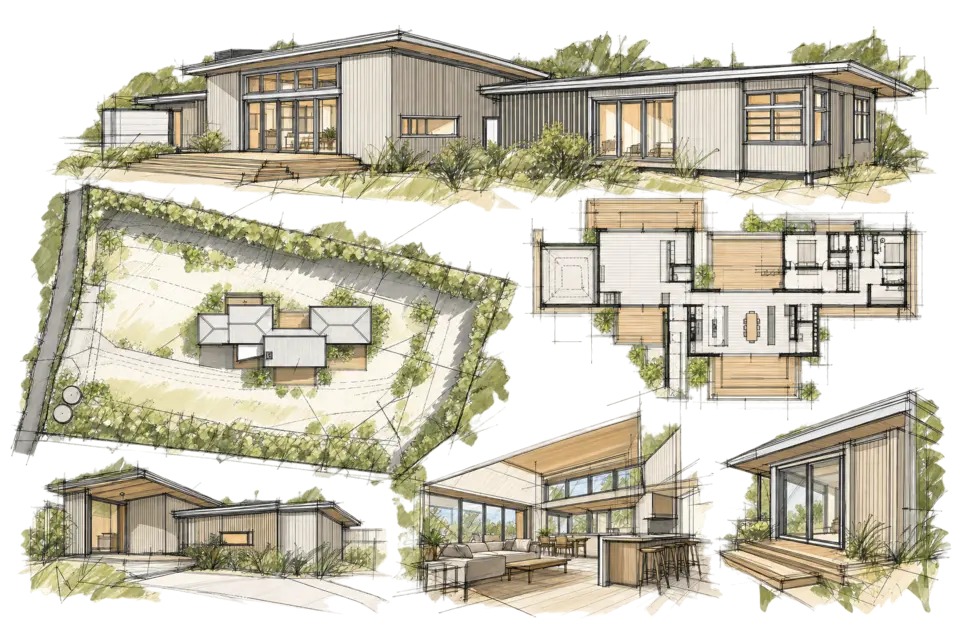
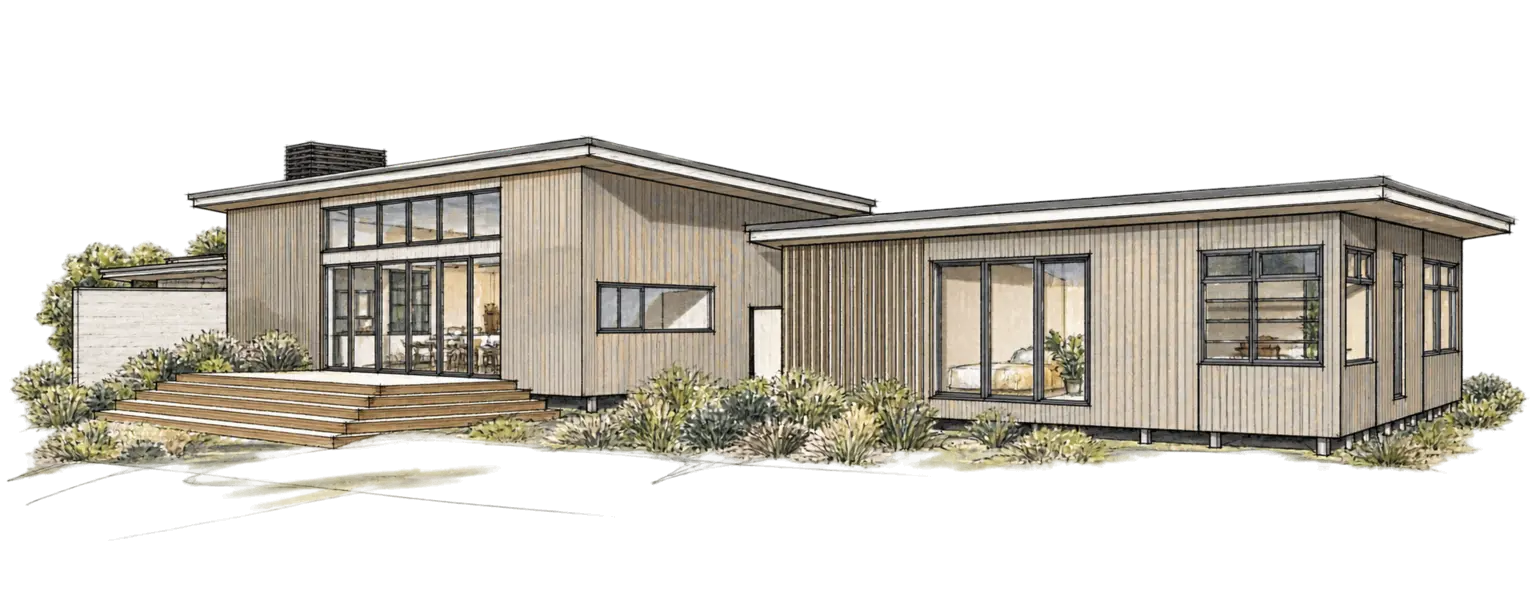
Three wings are arranged along a common axis. One contains the private suite, another provides the central entertaining spaces, and the third includes an 8 × 8 metre games room with capacity for overflow sleeping. That large flexible room is a direct response to visiting family: recreation and additional accommodation can occupy the same part of the house at different times.
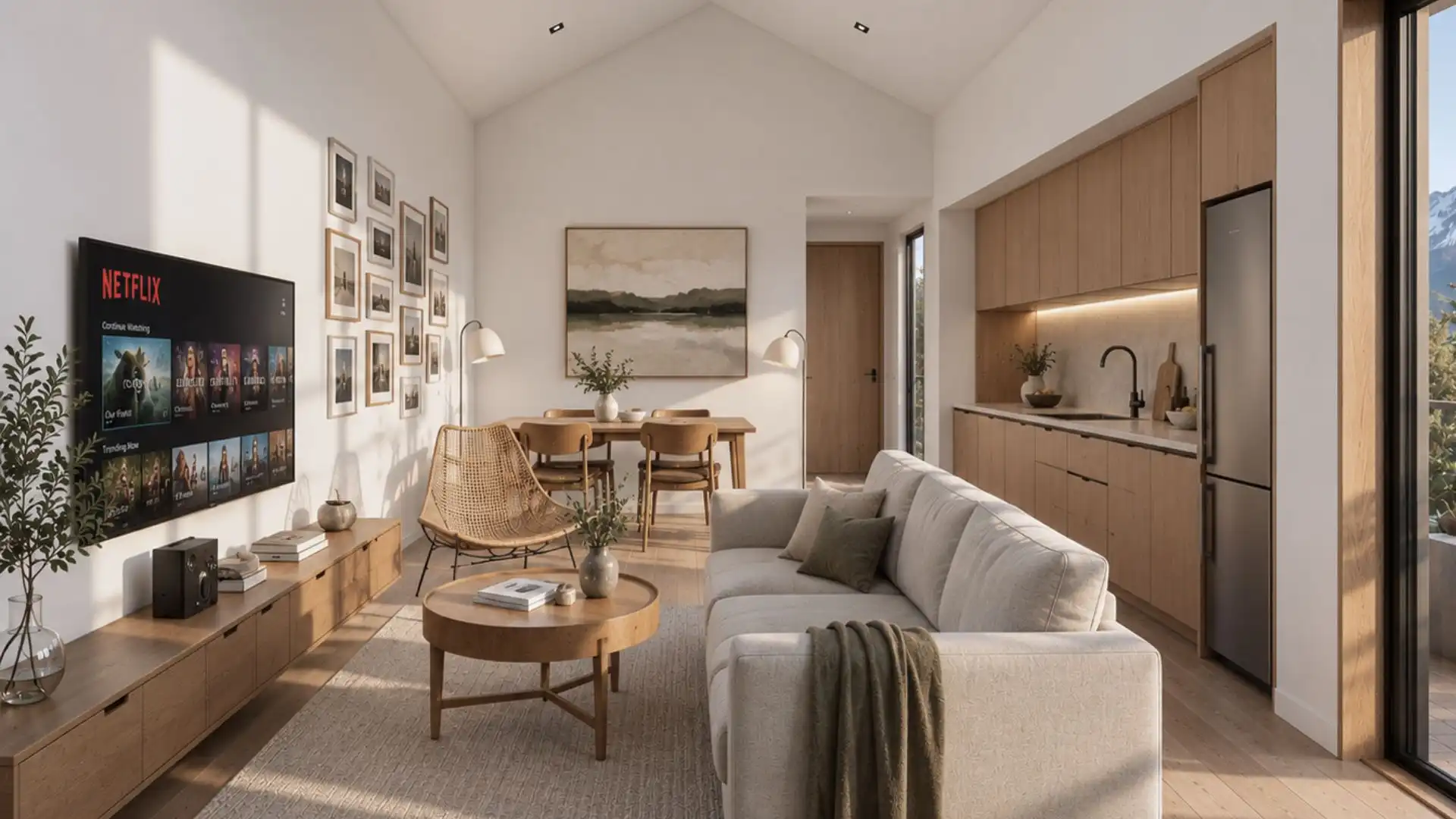
The centre provides the place where these uses come together. Its 3.2 metre ceiling and fireplace give the living space a distinct presence within the composition. The wings remain connected through their shared axis, while their separate roles make the substantial brief easier to organise.
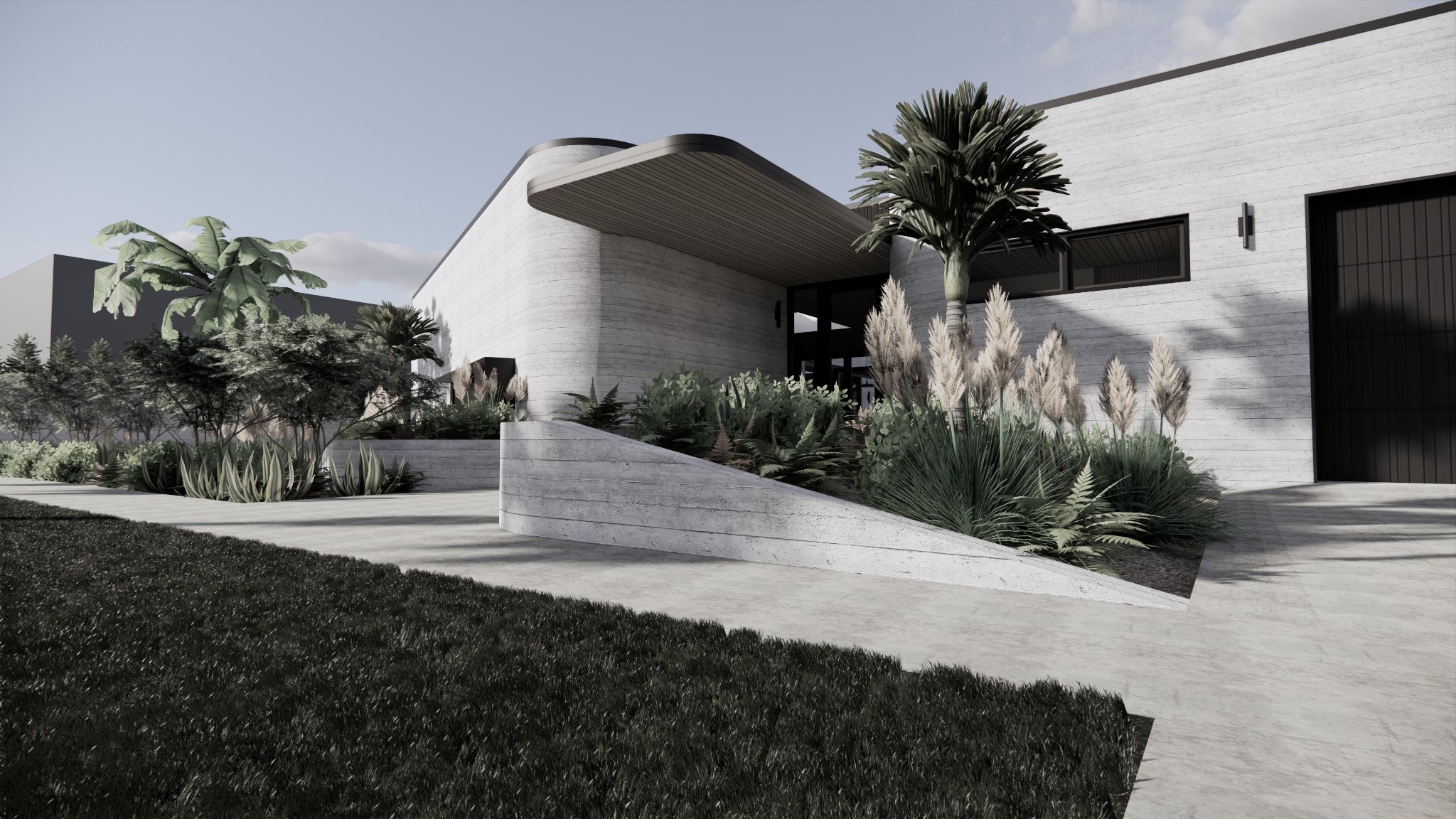
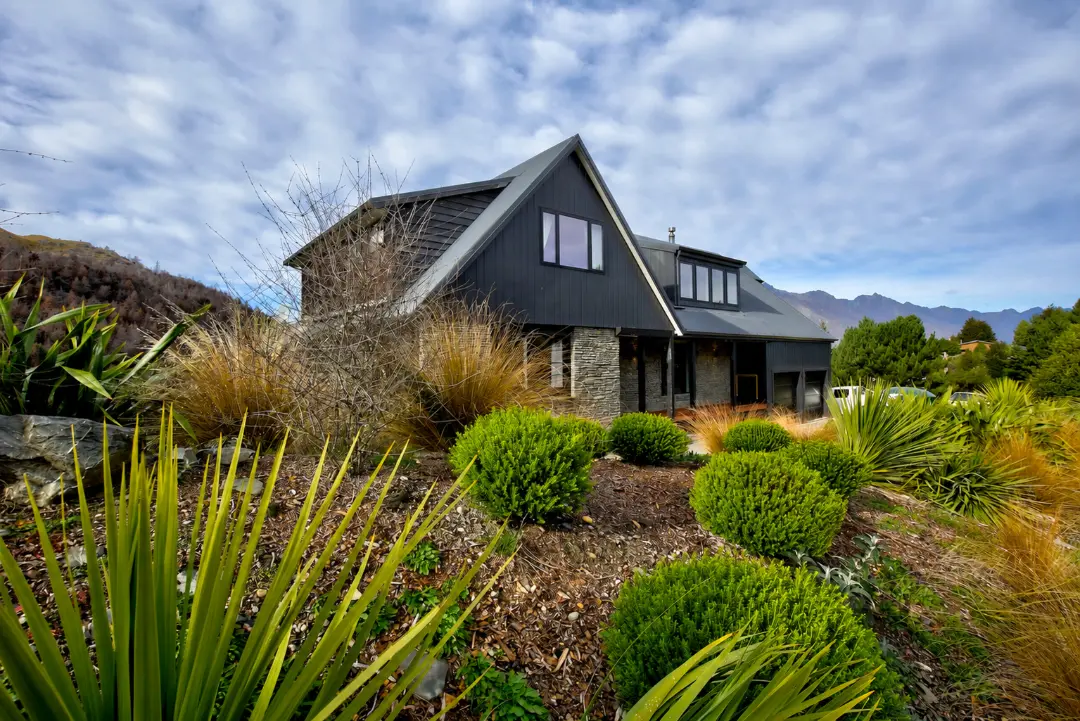
Structure and coastal exposure informed the roof design. Large spans, slimmer side roofs and deep overhangs address the scale of the rooms and the need for shelter, holding the different parts within a coherent form. The architectural arrangement therefore follows both the way the family occupies the house and the demands of building at the coast.
Council praised the consent documentation and responses to requests for information, using the project as an example. Orui’s value lies in the change of scale it can accommodate: a private retirement home for Chris and Janna that also has room for several generations to stay, play and gather.

.webp)

.webp)
.webp)
.webp)
.webp)

.webp)


.webp)
.webp)
.webp)