

For a bespoke home or substantial renovation, architectural advice is useful early to establish what the project should achieve and how the site can support it. A builder can then contribute valuable pricing and construction knowledge while the design is still flexible. The best sequence depends on what is already known and which decisions remain open.
What does the designer bring?
The architect or architectural designer interprets the brief, tests options and develops the spatial and architectural response. Their work connects the client's priorities with the property, technical requirements and coordinated documentation.
If you are unsure whether to extend, reconfigure or rebuild, design-led feasibility can help establish the scope before a builder is asked to price a particular solution.
What does the builder bring?
A builder contributes practical knowledge about construction methods, access, sequencing, procurement and current pricing. Early input can identify a difficult detail or a long-lead item while there is still an opportunity to respond.
That contribution is most useful when there is a defined question and enough design information to answer it. A broad conversation about an undefined dream home cannot produce the same cost certainty as a coordinated package.
How can early collaboration work?
The design team can arrange targeted reviews at useful stages: initial feasibility, concept cost checking and later buildability coordination. Record recommendations and decide which changes support the brief.
Agree whether the builder's early work is paid, what it includes and whether it implies a later construction appointment. Early advice should not leave either party relying on unspoken expectations.
Does early builder involvement prevent competitive pricing?
Not automatically. The procurement strategy should be discussed explicitly. A negotiated route and a competitive tender have different advantages and requirements. Clarify how the final scope and price will be established.
If you intend to tender, make sure participating builders receive comparable information and that any early contractor input is handled appropriately within the agreed process.
Who leads the overall conversation?
Identify the project lead and the responsibilities of each appointment. Architectural coordination, construction management and contract administration are different tasks. A collaborative team still needs clear authority for decisions.
For the client, the aim is a coherent recommendation. You should not have to reconcile contradictory technical advice between professionals without support.
What if I already have a trusted builder?
Bring them into the initial discussion. Their knowledge can be valuable, especially if they know the existing property. Agree how the design process will remain open enough to test the best response to your brief.
Can one company provide both design and construction?
Yes, different delivery models exist. Compare the scope, contractual relationships and how your interests are represented. The important point is understanding who is responsible for design, price, delivery and review.
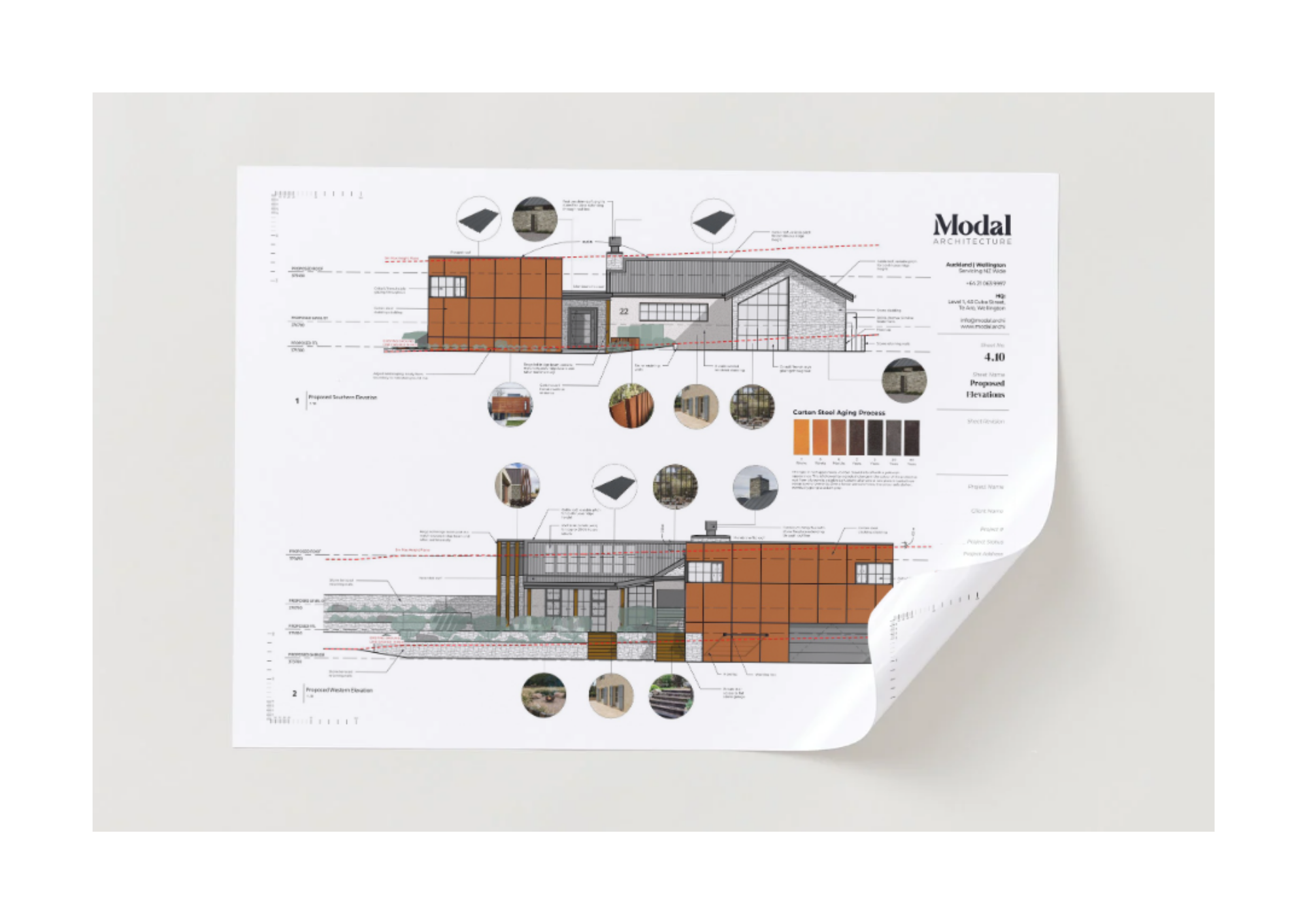
Design visualisation: Bridgewell, Modal Architecture.
Planning your project
Explore Modal's new build architecture, renovations architecture, or book a conversation about your property and priorities.