Judgeford
Porirua

Judgeford Hills

Twin gables and a shared pavilion organise a rural family home whose children’s wing can grow more independent.

area
245
m²
Beds
4
Project type
Residential New Build
Bath
3
Modal Team
Loose black-line site study for Judgeford Hills in Judgeford by Modal Architecture, exploring building placement and site relationships.
A home shaped around how they want to live.

The Client Vision

Phil and Alice wanted a rural home that could evolve as their children grew. Shared family life mattered, alongside the ability for different parts of the household to gain more independence over time.

Their early online enquiry led to a project with views across Porirua Inlet towards islands and the Marlborough Sounds. Exposure, off-grid servicing and a tight investment budget needed to be resolved alongside that longer-term family ambition.

Loose plan and detail sketches for Modal Architecture’s Judgeford Hills project in Judgeford.
Turning ambition into architecture.

The Design

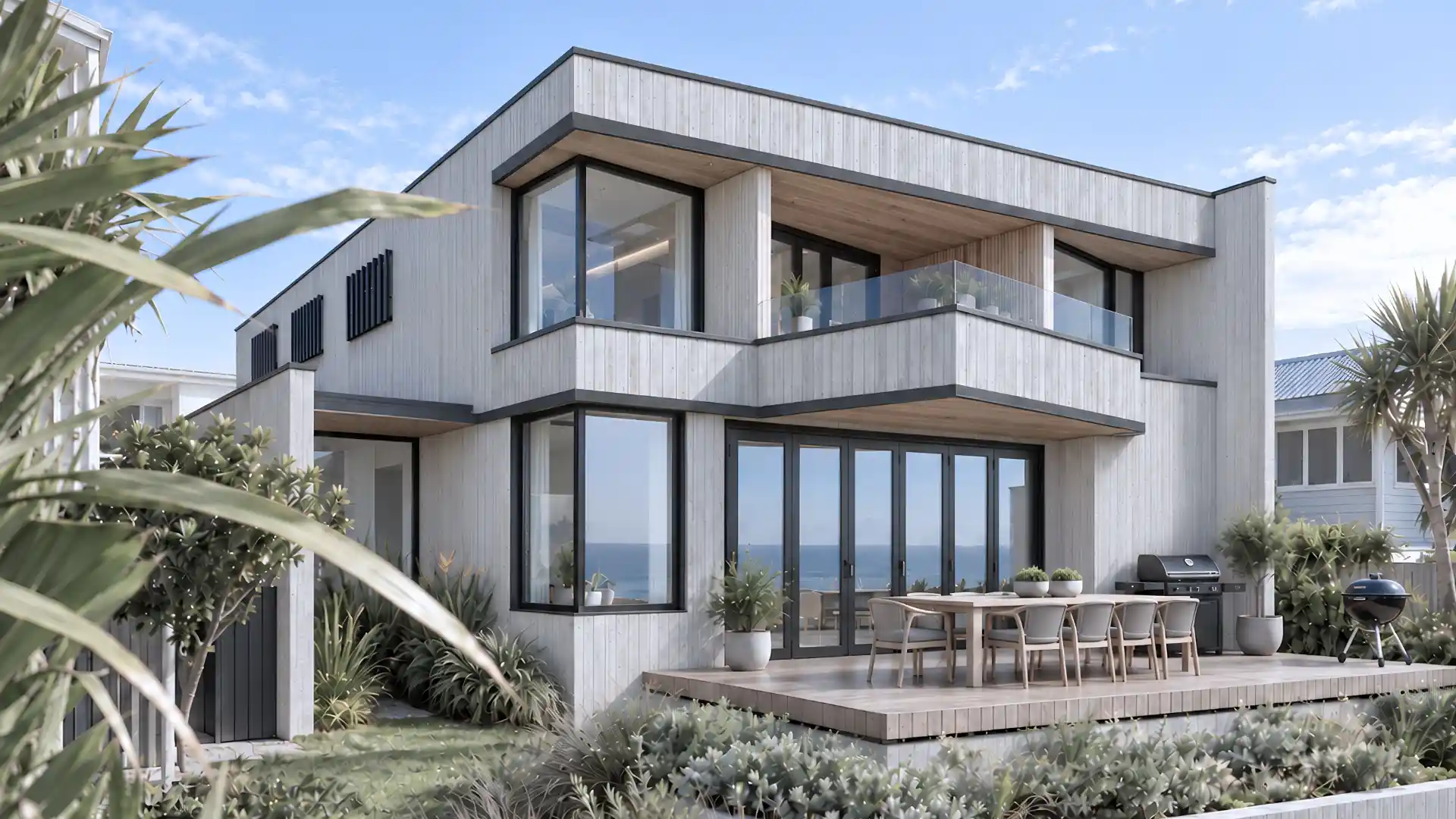
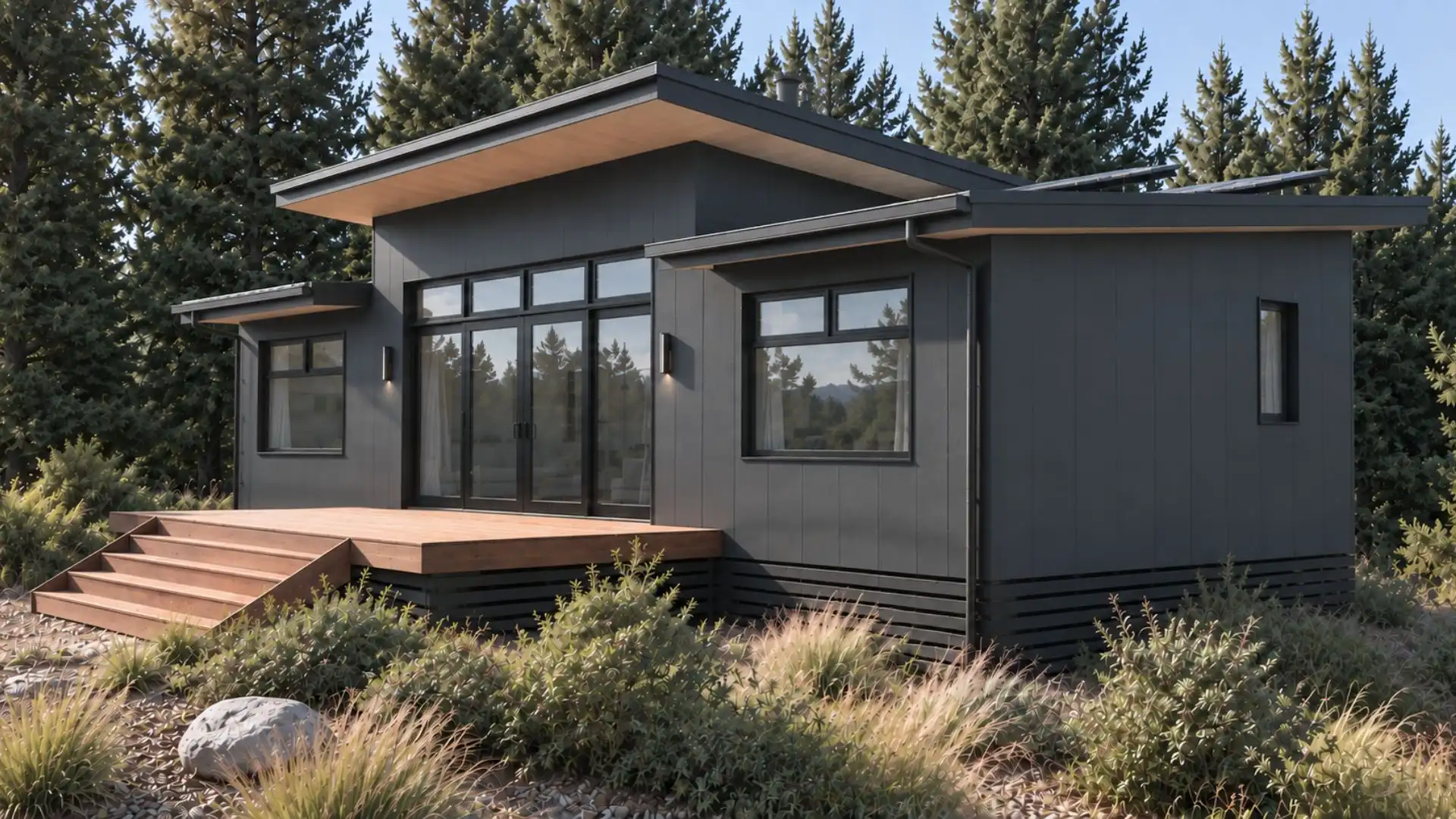
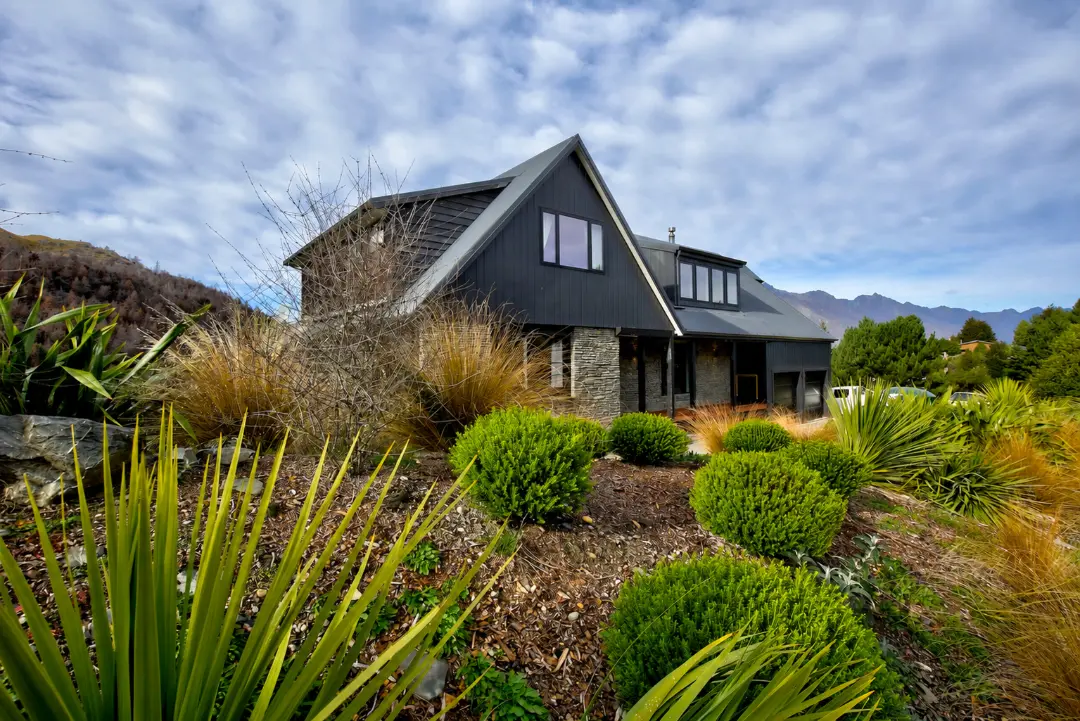
Twin gables connect through a central pavilion, organising the home around a shared family heart. The children’s wing can operate more independently as needs change, while remaining linked to the common spaces.

Circulation routes frame the distant outlook, making movement through the house part of its relationship with the landscape. The views are encountered along the paths between spaces as well as within the rooms themselves.

Pricing verification led Modal Architecture to reduce the footprint while protecting the core brief. The revised design retains the family relationships and spatial organisation that give the home its purpose.

Ink and marker sketch for Modal Architecture’s Judgeford Hills project in Judgeford, showing the low gabled wings and central deck.
The difference thoughtful design makes.

The Outcome

Phil and Alice now enjoy a home with a shared family heart and room for growing independence. The central pavilion brings everyone together, while the children’s wing supports changing needs and framed views make the surrounding landscape part of daily movement through the house.

The Client Experience

Working with Modal Architecture

Heading 1

Heading 2

Heading 3

Heading 4

Heading 5
Heading 6

Lorem ipsum dolor sit amet, consectetur adipiscing elit, sed do eiusmod tempor incididunt ut labore et dolore magna aliqua. Ut enim ad minim veniam, quis nostrud exercitation ullamco laboris nisi ut aliquip ex ea commodo consequat. Duis aute irure dolor in reprehenderit in voluptate velit esse cillum dolore eu fugiat nulla pariatur.

Block quote

Ordered list

  1. Item 1
  2. Item 2
  3. Item 3

Unordered list

  • Item A
  • Item B
  • Item C

Text link

Bold text

Emphasis

Superscript

Subscript

A home shaped around how they want to live.

The Full Story

A family home needs to accommodate more than the age its children are when the drawings begin. At Judgeford Hills, Phil and Alice wanted an arrangement that would remain useful as their children grew, with a shared centre and room for greater independence.


They approached Modal Architecture through an early online enquiry. Their rural site offered views across Porirua Inlet towards islands and the Marlborough Sounds, alongside exposure and the requirements of off-grid servicing. The project also had to work within a tight investment budget. These conditions shaped how much could be built and which parts of the brief most needed protection.


The house comprises twin gables linked by a central pavilion. This organisation gives common family life a clear place between the wings. The children’s accommodation can become more independent over time while retaining its relationship with the shared spaces. Adaptability is embedded in those spatial relationships, rather than left as a general promise about future use.


The way people move through the house also carries the landscape into the design. Main circulation routes frame the outlook, turning journeys between rooms into opportunities to see the surrounding country and distant water. The views therefore participate in the plan beyond the principal living spaces.


Pricing verification prompted a reduction in the footprint. We used that process to distinguish the amount of floor area from the architectural relationships that mattered most. The final home preserves the brief’s core: a shared family heart, an increasingly independent children’s wing and circulation that gives the setting a presence throughout the home.


For Phil and Alice, the home provides a way of living together that can change without losing its centre. Its organisation anticipates a family whose needs will develop, while keeping the scale of the project connected to the investment available.